
Chemotherapy Drug Interaction Checker
This tool helps you identify potential dangerous interactions between medications and chemotherapy. Note: This tool is for informational purposes only and does not replace professional medical advice. Always consult your oncology team before changing any medications.
No medications added yet
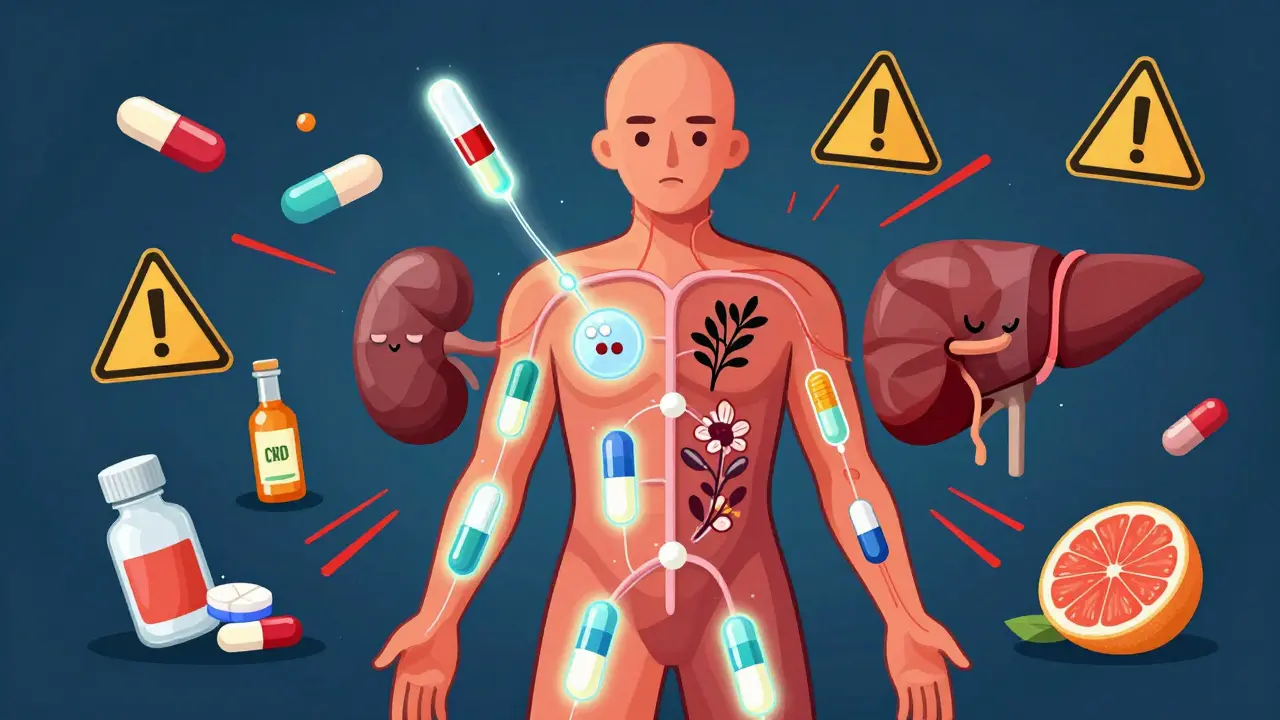
When someone is diagnosed with cancer, chemotherapy is often one of the first treatments discussed. It’s not just one drug-it’s a whole system of powerful medicines designed to kill fast-growing cancer cells. But here’s the thing: chemotherapy doesn’t just affect cancer. It hits healthy cells too, especially those in your bone marrow, gut, and hair follicles. That’s why side effects like fatigue, nausea, and hair loss are so common. And it’s not just about the chemo itself. What you’re taking alongside it-whether it’s antibiotics, painkillers, supplements, or even over-the-counter heartburn meds-can change how chemotherapy works, sometimes dangerously.
How Chemotherapy Actually Works
Chemotherapy drugs don’t all work the same way. Some, like doxorubicin and an anthracycline that binds to DNA and stops cancer cells from copying themselves, attack the genetic material inside cells. Others, like methotrexate and an antimetabolite that tricks cells into using a fake version of a vitamin needed to build DNA, sabotage the building blocks cancer needs to multiply. Then there are plant-based drugs like vincristine and a vinca alkaloid that blocks the cell’s internal skeleton, preventing division. Each class has its own risks. Anthracyclines can damage the heart after a certain lifetime dose. Vincristine can cause nerve damage that lingers long after treatment ends.
Doctors rarely use just one drug. Most regimens combine two or three, like the BEP protocol (bleomycin, vinblastine, cisplatin) for testicular cancer. Why? Because hitting cancer from multiple angles makes it harder for the tumor to survive. The science behind this is called the fraction kill hypothesis and the idea that each dose kills a fixed percentage of cancer cells, not a fixed number. So even if a tumor shrinks, you still need more rounds to get rid of the rest.
Why Drug Interactions Matter So Much
Chemotherapy is processed by your liver and kidneys. It’s broken down by enzymes like CYP3A4 and a liver enzyme that metabolizes about half of all prescription drugs, and excreted through urine. If you’re taking something else that affects these pathways, your chemo levels can spike-or drop-unexpectedly.
For example, grapefruit juice and a common food that blocks CYP3A4, leading to higher levels of drugs like docetaxel and paclitaxel can cause severe toxicity. One study found patients who drank grapefruit juice during paclitaxel treatment had 30% higher blood levels of the drug, increasing the risk of nerve damage and low blood counts. On the flip side, St. John’s Wort and an herbal supplement that speeds up CYP3A4, reducing chemo effectiveness can make your treatment useless. A 2022 case report in the Journal of Clinical Oncology described a patient whose breast cancer worsened after starting St. John’s Wort-her chemo levels dropped by 60%.
Even common meds can interfere. Omeprazole (Prilosec) and a proton-pump inhibitor that reduces stomach acid and affects absorption of oral chemo like capecitabine can lower how much of the drug gets into your system. Antibiotics like erythromycin and a macrolide that inhibits CYP3A4, increasing risk of neutropenia with vinca alkaloids can make your white blood cell count crash. And don’t forget about NSAIDs like ibuprofen and pain relievers that increase bleeding risk when combined with drugs like cisplatin or ifosfamide. One patient in a 2023 Australian cancer center had a dangerous drop in platelets after taking Advil daily for joint pain during chemo.
What You Might Not Realize Is a Risk
Many patients think supplements are safe because they’re "natural." But that’s not true. Vitamin C and a high-dose antioxidant that may interfere with the oxidative damage chemotherapy uses to kill cancer cells has been shown in lab studies to reduce the effectiveness of doxorubicin and cisplatin. Coenzyme Q10 and a supplement used for heart health that may protect cancer cells from anthracycline toxicity is another concern-some oncologists avoid letting patients take it during treatment.
And what about sleep aids? Zolpidem (Ambien) and a sedative metabolized by CYP3A4 that can accumulate when combined with chemo can cause dangerous drowsiness or confusion. Even CBD oil and a compound that inhibits CYP3A4 and CYP2D6, potentially increasing chemo toxicity is risky. A 2023 survey of 412 cancer patients found that 18% were using CBD, and only 3% had told their oncologist.
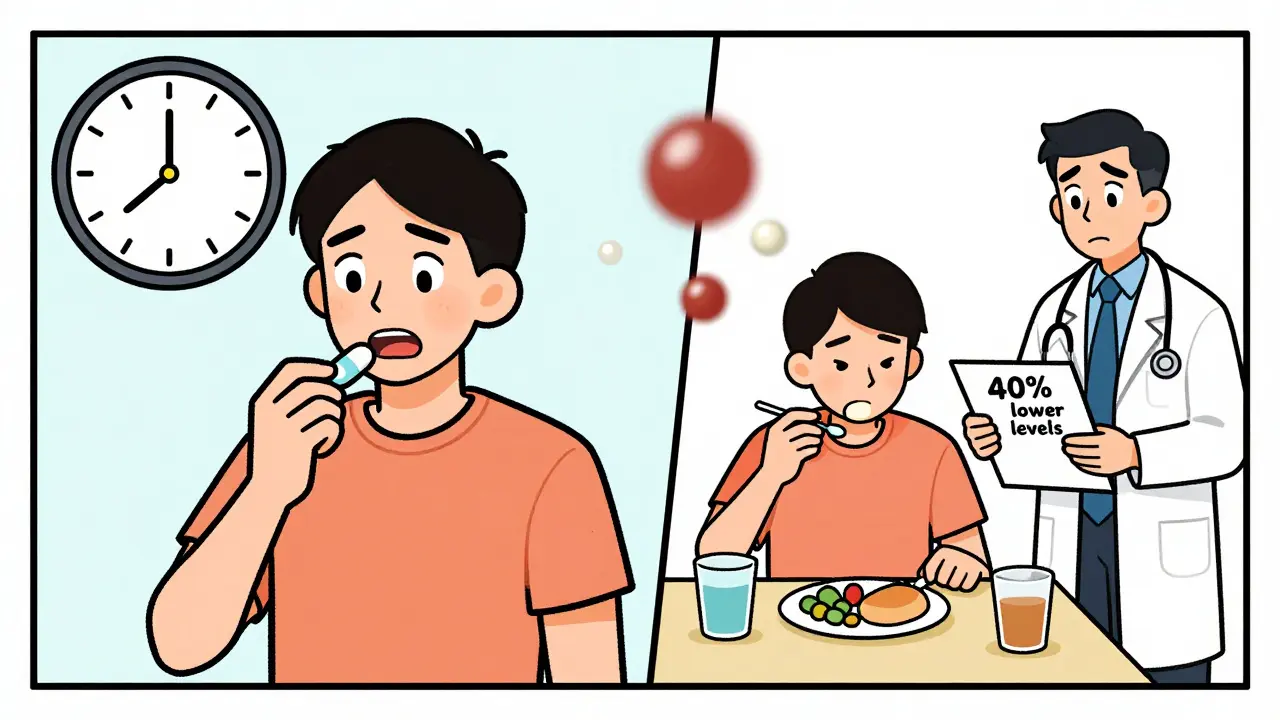
Oral chemo is especially tricky. Drugs like capecitabine and an oral prodrug converted to 5-FU in the body need to be taken exactly on schedule. If you miss a dose, or take it with food when you’re supposed to take it on an empty stomach, the drug’s effect changes. One study found 27% of patients on oral chemo missed at least one dose in the first month-and half of them didn’t realize it mattered.
Who’s at Highest Risk?
Not everyone faces the same level of risk. Older patients, especially those over 65, are more likely to be on multiple medications for heart disease, diabetes, or arthritis. A 2023 study in JAMA Oncology found that patients over 70 took an average of 7 other prescription drugs alongside chemo. That’s a recipe for interactions.
People with liver or kidney problems are also at higher risk. If your kidneys can’t clear the chemo, it builds up. If your liver is damaged from alcohol or fatty liver disease, it can’t break down the drugs properly. That’s why doctors check your kidney and liver function before every cycle.
And then there’s the issue of access. Patients in rural areas or without specialist care often don’t have access to oncology pharmacists. A 2023 survey showed that only 68% of community clinics have a dedicated pharmacist review chemo orders. That means a nurse or doctor might miss a dangerous interaction that a specialist would catch.
What You Can Do
If you’re on chemotherapy, here’s what you need to do:
- Make a full list of everything you take: prescription, over-the-counter, vitamins, herbs, CBD, even topical creams. Include dosages and how often you take them.
- Bring it to every appointment. Don’t assume your doctor knows what you’re taking. Even if you’ve told them before, things change.
- Ask about interactions. Don’t be shy. Say: "Is this safe to take with my chemo?" or "Could this affect how my drug works?"
- Use one pharmacy. If you use multiple pharmacies, they won’t see your full medication history. Stick to one so they can flag potential conflicts.
- Know your chemo schedule. Oral chemo isn’t like a pill for high blood pressure. Missing a dose or taking it with food can change everything.
And if you’re considering a new supplement or starting a new medication-even something as simple as melatonin-talk to your oncology team first. It’s not about being perfect. It’s about staying safe.
Where the Field Is Heading
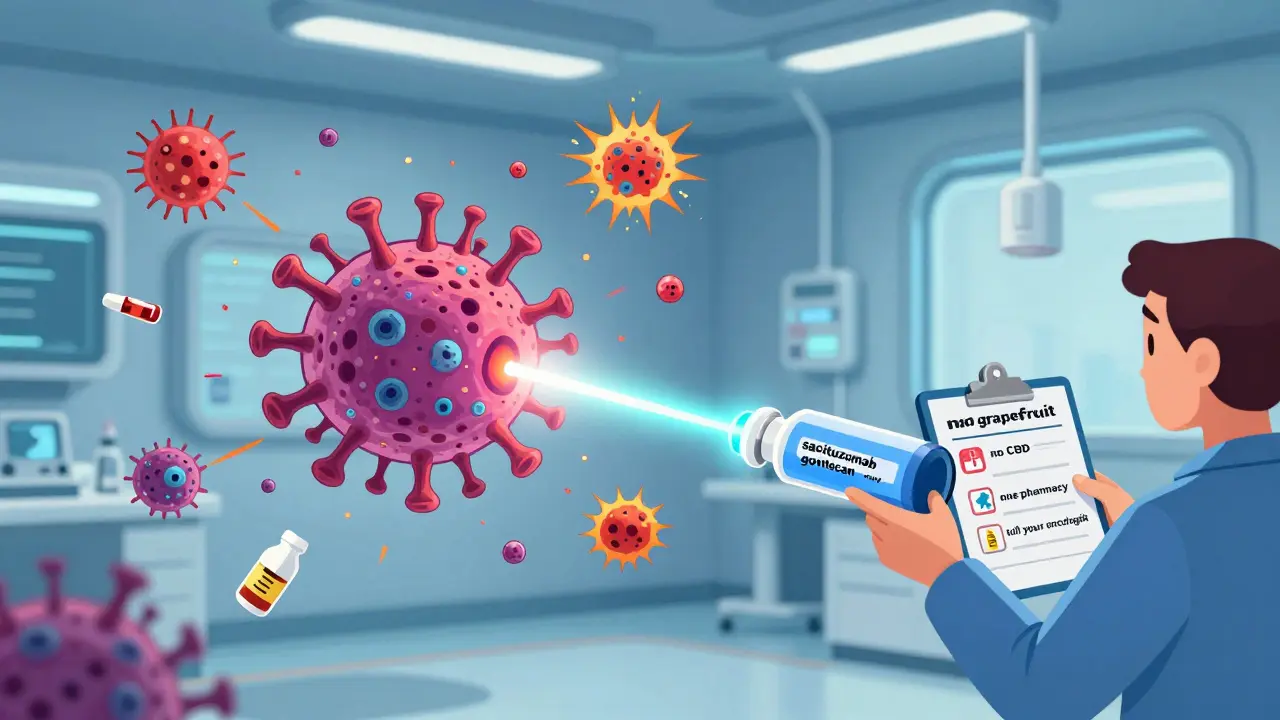
There’s new hope on the horizon. Antibody-drug conjugates like sacituzumab govitecan and a drug that delivers chemo directly to cancer cells using a targeting antibody are reducing side effects by limiting exposure to healthy tissue. In trials, they’ve cut severe toxicity by nearly half compared to traditional chemo.
And then there’s ctDNA-guided treatment and using tumor DNA in the blood to decide how long chemo should last. A 2023 trial showed patients with colon cancer could safely skip 32% of their chemo cycles when doctors used blood tests to monitor for leftover cancer cells. That’s huge-it means less toxicity without losing effectiveness.
But even with these advances, chemotherapy remains the backbone of treatment for most cancers. The NCCN guidelines still list chemo as the top recommendation for early-stage breast, lung, and colorectal cancers. It’s not going away. But how we use it is changing. The future isn’t about more chemo-it’s about smarter chemo.
Real Talk: What Patients Are Saying
One woman in Sydney, 58, was on a chemo combo for breast cancer when she started taking a turmeric supplement for arthritis. Within two weeks, her white blood cell count dropped dangerously low. She didn’t know turmeric could interfere with bone marrow function. She had to pause treatment for three weeks.
Another man, 72, was taking his oral chemo with breakfast because he didn’t want to feel sick on an empty stomach. His oncologist found his drug levels were 40% lower than they should be. He switched to taking it at bedtime instead.
These aren’t rare stories. They happen every day. And they’re preventable.
Can I take painkillers while on chemotherapy?
It depends on the painkiller and the chemo you’re taking. NSAIDs like ibuprofen or naproxen can increase bleeding risk with drugs like cisplatin or ifosfamide. Acetaminophen (Tylenol) is generally safer, but it can stress the liver if you’re on chemo that’s also processed there. Always check with your oncologist before taking anything-even over-the-counter pain meds.
Is it safe to use CBD oil during chemotherapy?
CBD oil can interfere with how your liver breaks down chemotherapy drugs. It blocks enzymes like CYP3A4 and CYP2D6, which can cause chemo to build up in your blood and lead to severe side effects. Some patients report less nausea, but the risk of toxicity outweighs the benefit. Most oncologists advise against it unless closely monitored in a clinical trial.
Why do I need to avoid grapefruit juice during chemo?
Grapefruit juice blocks an enzyme called CYP3A4 that your liver uses to break down many chemo drugs, including docetaxel, paclitaxel, and erlotinib. When this enzyme is blocked, your blood levels of these drugs can rise by 30% or more, increasing the risk of nerve damage, low blood counts, or even life-threatening toxicity. Even a single glass can have this effect for days.
Do supplements like vitamin C or CoQ10 help during chemo?
High-dose antioxidants like vitamin C and CoQ10 may protect cancer cells from the oxidative damage that some chemo drugs rely on to kill tumors. Lab studies show they can reduce the effectiveness of doxorubicin, cisplatin, and other agents. While small amounts in a multivitamin are usually fine, taking high-dose supplements during active treatment is not recommended without your doctor’s approval.
What should I do if I miss a dose of oral chemotherapy?
Don’t double up. Call your oncology team immediately. Some oral chemo drugs, like capecitabine or temozolomide, have very narrow windows for effectiveness. Missing a dose can reduce your treatment’s impact. Your team will tell you whether to skip the dose, take it late, or adjust the schedule. Never guess.
Can I still take my heart or diabetes meds while on chemo?
Yes, but they need to be reviewed. Chemo can affect how your body handles other drugs. For example, some chemo agents can worsen kidney function, which changes how diabetes drugs like metformin are cleared. Blood pressure meds might need dose adjustments if chemo causes low blood pressure. Always share your full medication list with your oncology team-they’ll work with your primary care provider to make sure everything is safe together.
Final Thought
Chemotherapy is not simple. It’s powerful, complex, and deeply personal. The drugs that save lives can also hurt them if not used carefully. The biggest risk isn’t the cancer-it’s the unseen interaction between your chemo and everything else you’re taking. The best defense? Stay informed, stay honest with your care team, and never assume something is "safe" just because it’s natural or over-the-counter. Your life depends on the details.