
Medications play a big role in our health, whether for seizures, migraines, infections, or chronic conditions. But figuring out what to take, how it works, and what alternatives exist can be confusing. Here you’ll find straightforward info on popular drugs, their uses, side effects, and smart ways to handle them.
Take Keppra, for example—it's a common anti-seizure medication used to manage epilepsy. Knowing how it controls seizures and what side effects to watch for helps you use it safely. Similarly, medications like Omnicef are antibiotics that need to be bought carefully online, ensuring you check for reliable pharmacies and proper prescriptions to avoid risks.
Migraine sufferers often choose between branded drugs like Imitrex and their generic versions. Understanding differences in cost, availability, and effectiveness can save you money and deliver better relief. And for asthma, exploring alternatives to Ventolin means you have options if your current inhaler isn’t quite cutting it.
Sometimes, your medication might not suit you, or you want to try newer options with fewer side effects. For example, there are newer alternatives to Methotrexate that aim to treat arthritis with less gastrointestinal trouble. Or, if you’re dealing with fertility issues, drugs like Clomiphene and their alternatives can offer varying benefits depending on your situation.
Awareness about drug interactions, like with Lamotrigine, is crucial to avoid surprises. And when thinking about supplements, herbs like Wormseed are gaining attention for their health perks, but always discuss with your doctor before adding anything new. Every medication or supplement comes with trade-offs, so weighing pros and cons makes a big difference.
This space is all about helping you understand your options clearly—from typical prescriptions to handy alternatives—so you can have informed conversations with your healthcare provider and feel confident in your choices.
Posted by
Jenny Garner
0 Comments

Learn the difference between dose splitting and tablet splitting to reduce medication side effects by lowering peak plasma concentrations safely.
read morePosted by
Jenny Garner
9 Comments

Discover why certain medications change your appetite and learn practical, science-backed strategies to manage weight gain or loss while on treatment.
read morePosted by
Paul Fletcher
14 Comments
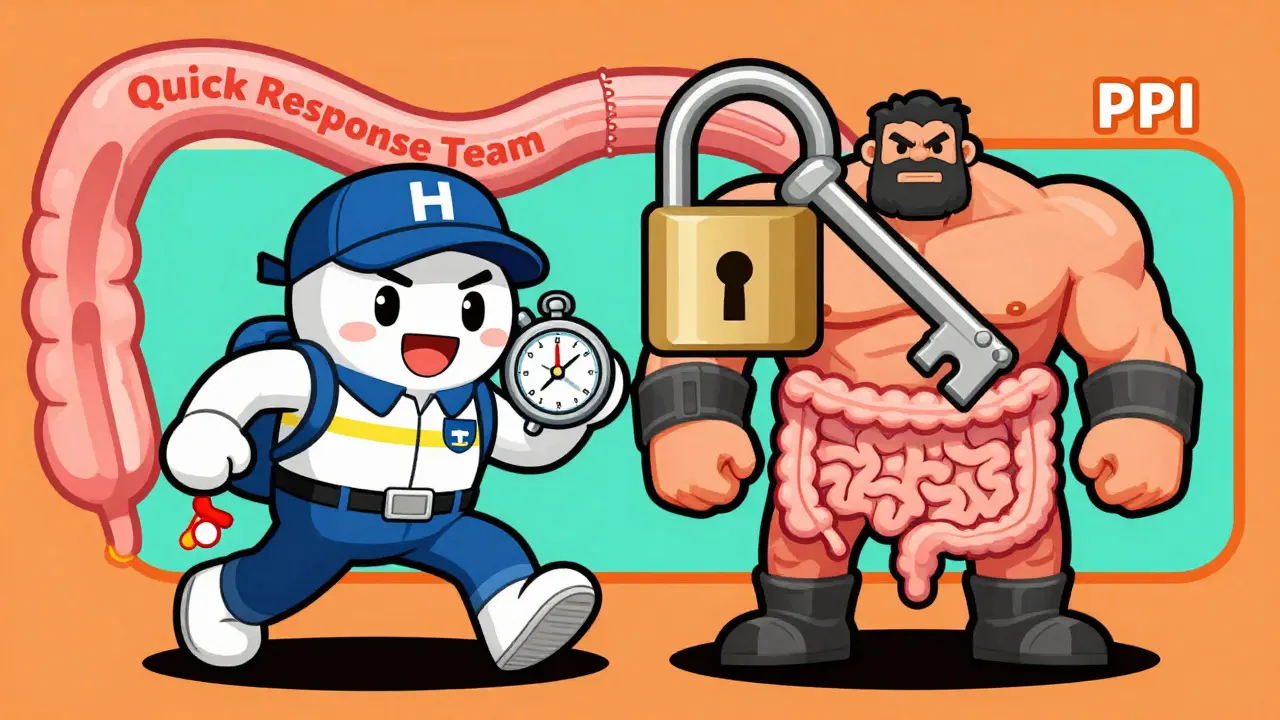
Learn about the interactions and risks of combining H2 blockers and PPIs. Discover why double acid suppression may be unnecessary and how to safely manage GERD.
read morePosted by
Jenny Garner
8 Comments
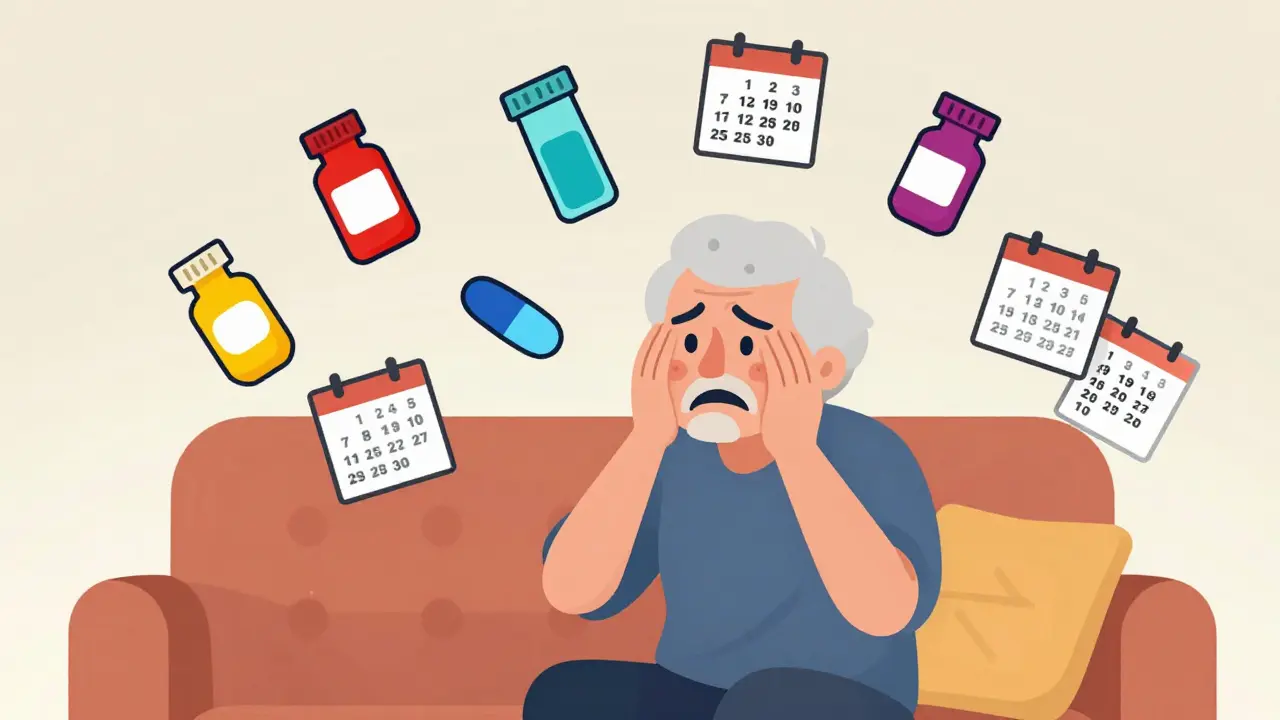
Learn how refill synchronization simplifies medication management by aligning all prescription refills to one monthly date. Studies show 3-5% adherence improvements and reduced emergency visits for patients with chronic conditions.
read morePosted by
Jenny Garner
8 Comments

Scopolamine patches are the most effective treatment for motion sickness, but their sedative effects can become dangerous when mixed with alcohol, sleep aids, or CBD. Learn how to use them safely and avoid life-threatening interactions.
read morePosted by
Paul Fletcher
0 Comments
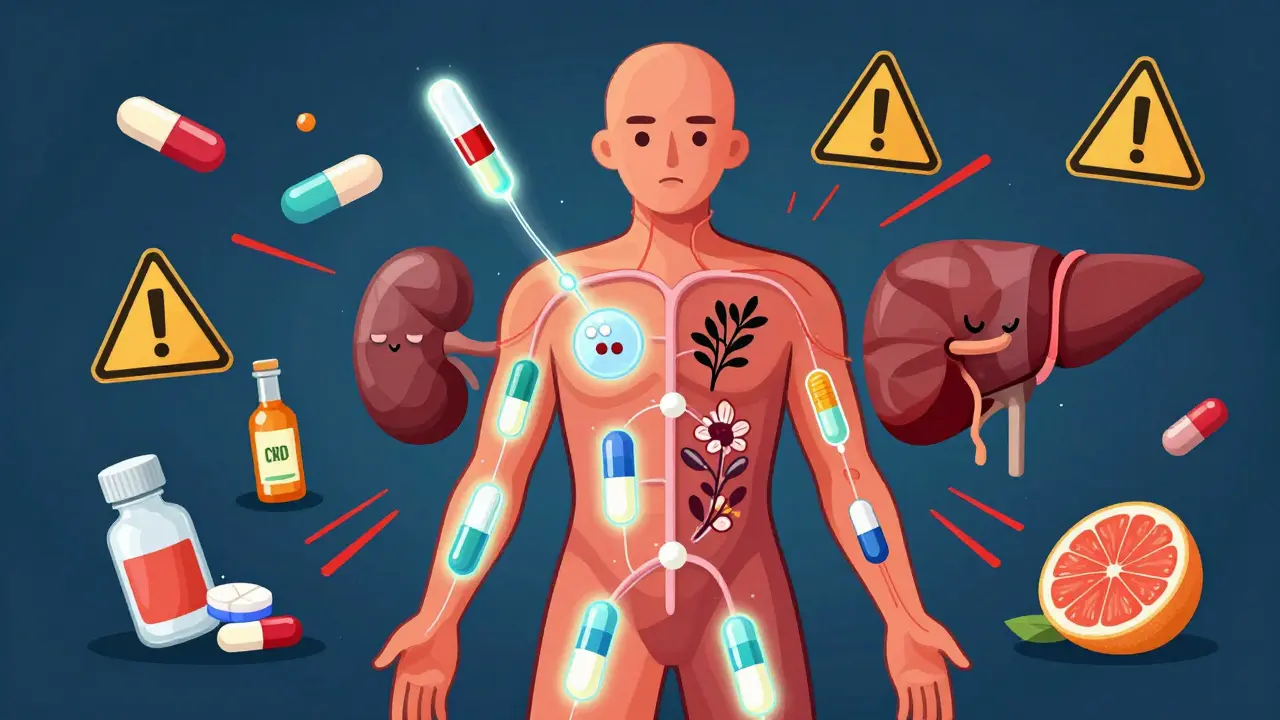
Chemotherapy remains a core treatment for cancer, but drug interactions can be dangerous. Learn how common medications, supplements, and even foods can affect chemo effectiveness and safety.
read morePosted by
Jenny Garner
12 Comments

Lithium is highly effective for bipolar disorder but can cause thyroid dysfunction in up to one-third of users. Learn how to recognize symptoms, monitor thyroid health, and manage hypothyroidism or goiter while staying on this life-saving medication.
read morePosted by
Paul Fletcher
14 Comments

Lopinavir/Ritonavir relies on ritonavir to block CYP3A4 and boost lopinavir levels - but this same mechanism causes dangerous interactions with dozens of common drugs. Learn how it works, who still uses it, and what you must avoid.
read morePosted by
Jenny Garner
13 Comments

Opioid rotation is a proven strategy to reduce side effects like nausea, drowsiness, and confusion by switching to a different pain medication. It's not a last resort - it's a smart, evidence-based approach for patients who aren't tolerating their current opioid.
read morePosted by
Paul Fletcher
9 Comments

Antihistamines can affect blood pressure differently depending on the type. Learn which ones are safe for people with hypertension and how to avoid dangerous side effects from combo products.
read more