
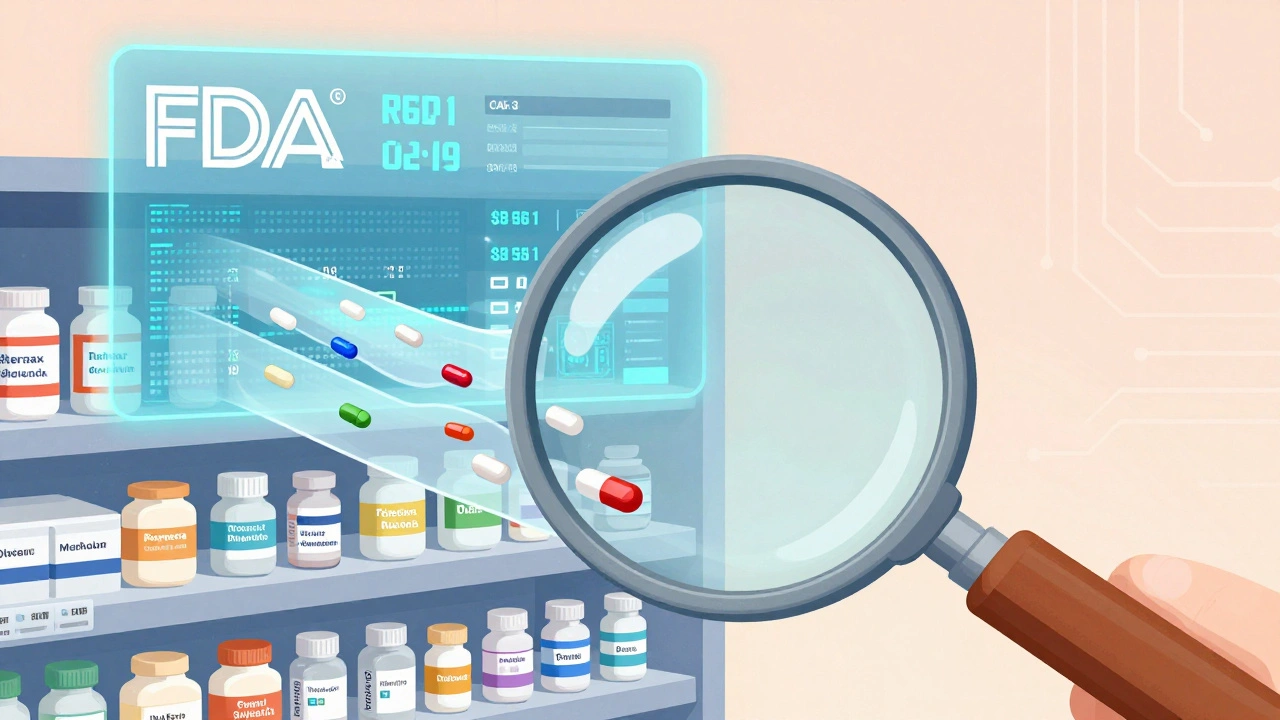
When you pick up a generic pill at the pharmacy, you expect it to work just like the brand-name version. But how does the FDA make sure it’s still safe after it hits the shelves? The truth is, approval isn’t the end of the story - it’s just the beginning.
Approval Doesn’t Mean Perfect Knowledge
Before a generic drug gets approved, the FDA requires proof of bioequivalence. That means the generic must deliver the same amount of active ingredient into the bloodstream as the brand-name drug, usually tested in 24 to 36 healthy volunteers. Sounds solid, right? But here’s the catch: those studies don’t catch everything. Rare side effects, interactions with other medications, or reactions in older adults or people with chronic conditions often don’t show up until thousands - or millions - of people start taking the drug.The FDA openly admits this. As their own documentation states, “It is impossible to have complete information about the safety of a drug at the time of approval.” The real safety picture only becomes clear over months and years of real-world use.
The Systems Behind the Scenes
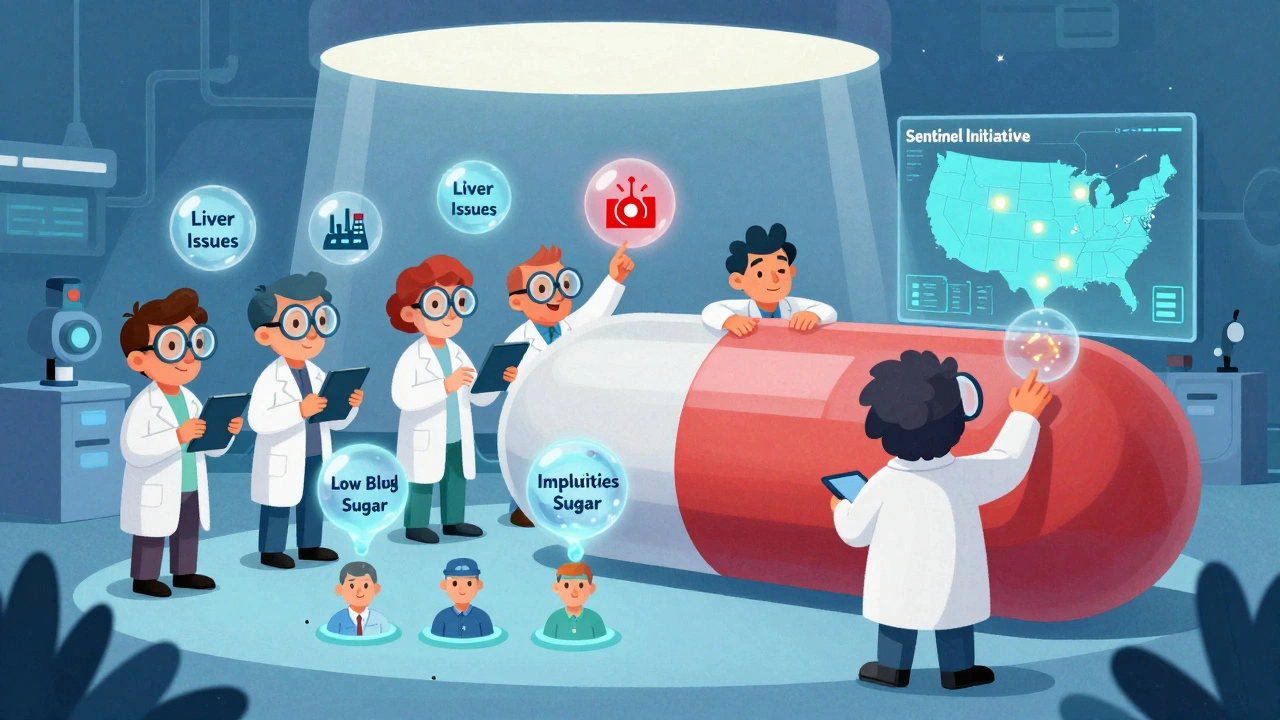
The FDA doesn’t rely on guesswork. It uses a network of tools and teams working nonstop to track problems after approval. The main engine is the FDA Adverse Event Reporting System (FAERS). Every year, this system collects around 2 million reports from doctors, pharmacists, patients, and drugmakers. These aren’t just complaints - they’re data points. A spike in reports of liver problems linked to a specific generic blood pressure pill? That’s a red flag.Behind FAERS is a team of epidemiologists, pharmacologists, and physicians in the Office of Generic Drugs (OGD) and the Office of Surveillance and Epidemiology. They don’t just wait for reports. They actively mine the data, looking for patterns. If a certain generic version of a diabetes drug starts showing more reports of low blood sugar than others, they dig in. Was it a manufacturing change? A different inactive ingredient? A batch issue?
Another major tool is the Sentinel Initiative. Launched in 2008 and expanded under the 21st Century Cures Act, Sentinel uses electronic health records from over 100 million patients across hospitals, clinics, and insurers. Instead of waiting for someone to report a problem, Sentinel can spot trends in real time - like a sudden increase in kidney injuries among patients prescribed a new generic statin. It’s like having a nationwide health radar.
Manufacturing Isn’t Ignored
A drug can be bioequivalent but still be unsafe if it’s made poorly. That’s why the FDA doesn’t just check the pill’s chemistry - they check how it’s made. The Office of Pharmaceutical Quality (OPQ) conducts about 1,200 inspections of U.S. facilities and 600 foreign ones each year. These inspections are often unannounced. Inspectors look at everything: raw material purity, equipment cleanliness, how batches are tested, and whether quality controls are followed.One major concern is impurities - tiny chemical byproducts that can form during manufacturing. Even if they’re below dangerous levels, the FDA compares them to the brand-name drug. If a generic has a new impurity that the original doesn’t, or if levels creep up, the FDA can demand changes or pull the product. This is especially critical for drugs with a narrow therapeutic index, like warfarin or thyroid meds, where even small differences can cause harm.
How Generics Are Different - and Why It Matters
Generic drugs are required to be the same as the brand-name version in active ingredient, strength, dosage form, and route of administration. But they’re allowed to differ in inactive ingredients - fillers, dyes, coatings, and preservatives. For most people, this doesn’t matter. But for some, it can. A patient with a rare allergy to a dye in one generic version might have a reaction, while another version without that dye is fine.And here’s the tricky part: while bioequivalence ensures the same amount of drug enters the bloodstream, it doesn’t guarantee identical behavior in every body. For complex drugs - like inhalers, patches, or extended-release tablets - small differences in formulation can affect how the drug is absorbed over time. The FDA has acknowledged that monitoring these “complex generics” remains a challenge. That’s why GDUFA III (effective 2023) added new requirements for surveillance of nasal sprays, inhalers, and other hard-to-copy products.
What Happens When Something Goes Wrong?
If the FDA finds a safety issue, they don’t wait. They act. Actions can include:- Updating the drug’s label to warn doctors and patients
- Issuing a “Dear Healthcare Provider” letter alerting prescribers
- Requesting a voluntary recall of affected batches
- Blocking future imports if foreign plants fail inspections
- In rare cases, pulling the drug off the market entirely
For example, in 2018, the FDA removed several generic versions of the blood pressure drug valsartan after discovering a cancer-causing impurity. The detection came from FAERS data and lab testing - not from pre-approval studies.
The Numbers Don’t Lie
Generic drugs make up 90% of all prescriptions filled in the U.S. but cost only about 23% of total drug spending. That’s why their safety matters more than ever. With over 1,000 new generic approvals each year, the volume of data is massive. The FDA uses user fees paid by drugmakers - about $65.7 million annually under GDUFA III - to fund its monitoring teams and tech upgrades.Still, there’s a gap. Experts estimate that only 1% to 10% of adverse events are ever reported to the FDA. That’s why the agency is pushing harder to use real-world data from electronic records and to encourage more reporting from patients and providers.
What You Can Do
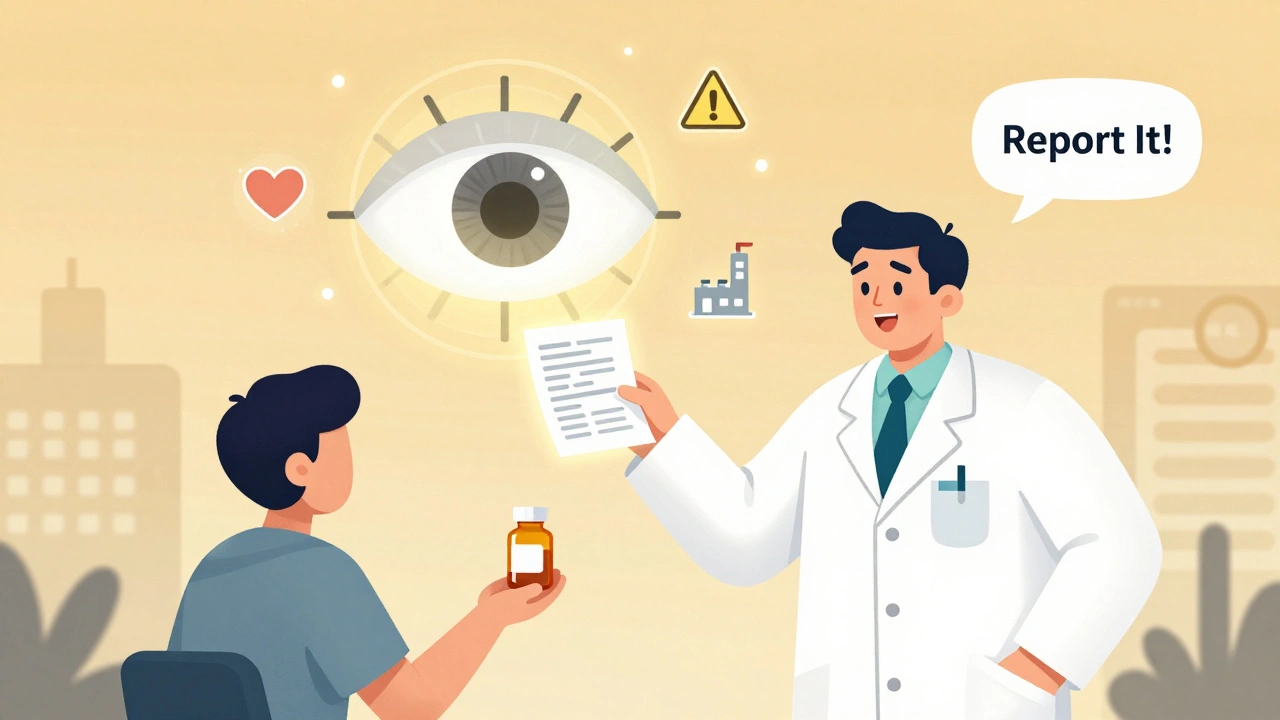
You don’t have to wait for the FDA to find a problem. If you experience a new or unusual side effect after switching to a generic drug - especially if it’s different from what you felt on the brand version - report it. Use MedWatch, the FDA’s online reporting system. Even if you’re not sure it’s related, your report adds to the data pool. It might be the clue that helps the FDA spot a pattern before more people are affected.Also, pay attention to the manufacturer name on your prescription. If you’ve had a bad reaction to one generic, note the maker. Switching to a different manufacturer’s version might solve the issue - because not all generics are made the same, even if they contain the same active ingredient.
Is the System Working?
Yes - but it’s not perfect. The FDA’s post-approval monitoring system has improved dramatically since the 1990s. The use of big data, real-time surveillance, and stricter manufacturing rules has made generics safer than ever. The vast majority of generic drugs work perfectly. Millions of people rely on them every day without issue.But safety isn’t a one-time check. It’s an ongoing process. The FDA’s job isn’t just to approve drugs - it’s to watch them, listen to patients, and act when something doesn’t add up. And that’s why, even though you might not see it, there’s a whole system working behind the scenes to keep your generic meds safe.
Are generic drugs as safe as brand-name drugs?
Yes, for the vast majority of people. The FDA requires generics to meet the same strict standards for quality, strength, purity, and performance as brand-name drugs. The main difference is cost - not safety. Post-approval monitoring ensures that any unexpected issues are caught quickly. Millions of patients use generics safely every day.
Can inactive ingredients in generics cause side effects?
Yes, but it’s rare. Inactive ingredients like dyes, preservatives, or fillers can trigger allergies or intolerances in sensitive individuals. For example, someone allergic to lactose might react to a generic version that uses it as a filler, while the brand version uses a different one. If you notice new symptoms after switching generics, check the ingredient list or talk to your pharmacist.
How does the FDA know if a generic drug has a safety problem?
The FDA uses multiple sources: patient and provider reports through MedWatch/FAERS, real-time data from the Sentinel Initiative using electronic health records, manufacturing inspection findings, lab testing for impurities, and data mining for unusual patterns. It’s not one system - it’s a network of checks working together.
Why do some people say generic drugs don’t work as well?
Sometimes, it’s psychological - people trust the brand name more. Other times, it’s because they switched between different generic manufacturers, and each has slightly different inactive ingredients. For most drugs, this doesn’t matter. But for narrow therapeutic index drugs (like blood thinners or seizure meds), even small differences in absorption can cause issues. If you feel a change after switching, tell your doctor. They can help determine if it’s the drug or something else.
Can I report a side effect from a generic drug?
Absolutely. Anyone - patients, caregivers, or providers - can report adverse events to the FDA through MedWatch. Your report helps the agency detect patterns early. You don’t need to be certain it’s the drug. If you think it might be related, report it. The more data they have, the better they can protect public health.
How often does the FDA pull a generic drug off the market?
Very rarely. Most issues are resolved with labeling updates or recalls of specific batches. Full market withdrawal only happens if there’s clear, widespread danger - like contamination, dangerous impurities, or repeated failures in quality control. Since 2010, fewer than 20 generic drugs have been fully withdrawn for safety reasons, compared to hundreds of brand-name drugs pulled for similar issues.
What’s Next for Generic Drug Safety?
The FDA is investing in better tools. By 2025, the Sentinel Initiative aims to include data from 100 million patients - that’s nearly a third of the U.S. population. They’re also improving how they analyze complex generics, like inhalers and topical creams, which are harder to copy exactly. And they’re pushing manufacturers to use better data sharing and real-time quality monitoring during production.The goal is simple: keep the cost of medicine low without lowering the standard of safety. For now, the system works - because it’s built to learn, adapt, and respond. And it’s not just the FDA doing it alone. Patients, doctors, and pharmacists are part of the network. Your voice matters. Your report could be the one that saves someone else’s life.
Comments
Roger Leiton
I switched to a generic blood pressure med last year and honestly? No difference. But I did notice my pharmacist switched brands twice - one had a weird chalky taste. 🤢 Turned out it was a different filler. Now I check the manufacturer name like it’s a cereal box. FDA’s system is actually pretty slick 👍
December 2, 2025 at 15:12
ATUL BHARDWAJ
In India generics save lives. No fancy tracking needed. If it works it stays. If it kills it gets banned. Simple
December 3, 2025 at 18:01
Steve World Shopping
The FAERS system is fundamentally flawed due to reporting bias and signal-to-noise ratio inefficiencies. The absence of pharmacovigilance standardization across global manufacturing hubs introduces systemic heteroskedasticity in adverse event detection. GDUFA III mitigates but does not resolve the latent confounding variables inherent in post-marketing surveillance architectures.
December 4, 2025 at 06:14
Rebecca M.
So let me get this straight - we’re trusting a system that relies on patients remembering to report that their generic version made them feel like a zombie… but we’re not paying for the brand name because it’s ‘too expensive’? 😭
December 6, 2025 at 03:06
Shannara Jenkins
This is such a great breakdown! I never realized how much goes on behind the scenes. I used to think generics were just cheap copies, but now I see it’s more like a high-stakes puzzle where every batch, every filler, every lab test matters. Seriously, thank you for explaining this so clearly. 💪
December 6, 2025 at 12:13
Elizabeth Grace
I took a generic thyroid med and suddenly felt like I was being slowly drained by a vampire. No energy, brain fog, crying at commercials. Switched back to brand - boom, normal again. I reported it. No one cared. Now I just pay the extra $15. My mental health is worth it.
December 7, 2025 at 09:54
Steve Enck
The epistemological limitation of bioequivalence as a proxy for therapeutic equivalence constitutes a structural epistemic vulnerability in contemporary pharmacological governance. One cannot infer ontological equivalence from pharmacokinetic similarity, particularly in polypharmacological contexts where inter-individual metabolic variance exceeds the margin of error in clinical trial cohorts.
December 9, 2025 at 04:15
Jay Everett
This is wild. The FDA’s using AI to scan millions of health records like a cosmic detective 🕵️♂️✨ And you know what? I’m kinda proud. Most people think ‘generic = bad’ but this system? It’s like a superhero squad working in the background - inspectors, data nerds, pharmacologists - all keeping us safe while we just scroll TikTok. If you’ve ever had a weird reaction? Report it. You’re not just helping yourself. You’re helping someone’s grandma.
December 10, 2025 at 05:02
मनोज कुमार
FAERS is garbage. 90 of reports are from US. What about India China Africa? No data no problem. Generic drugs are fine if you dont die
December 10, 2025 at 05:40