
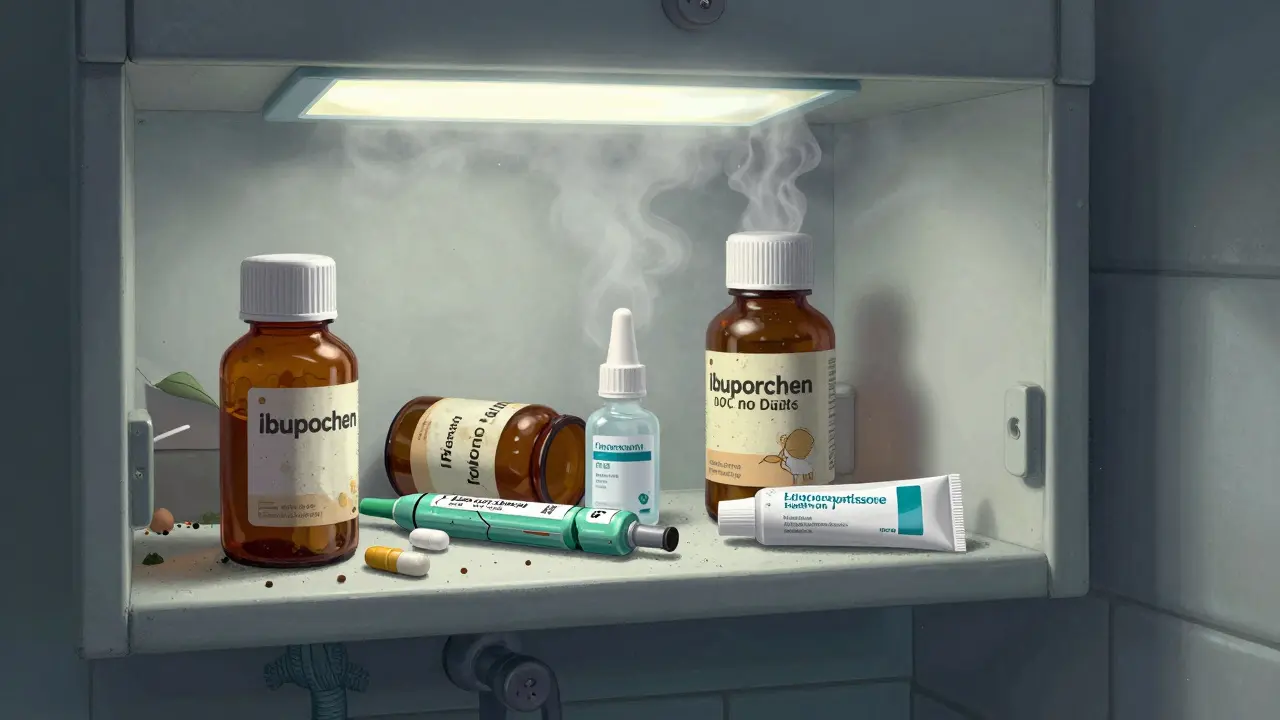
Most people keep a first-aid kit at home, but how many of them actually check what’s inside? By the time an emergency happens, it’s too late to find out your pain relievers are weak, your epinephrine pen is dead, or your antiseptic spray smells like vinegar. Expired over-the-counter (OTC) medications aren’t just outdated-they can be dangerous. The truth? Not all expired drugs are created equal. Some still work. Others could kill you.
What Does ‘Expired’ Really Mean?
Expiration dates aren’t random. They’re based on real testing by manufacturers and approved by the FDA. The date tells you when the drug is guaranteed to be at least 90% potent and safe to use. After that, it doesn’t suddenly turn toxic. Most solid pills like ibuprofen or acetaminophen slowly lose strength over time. But liquids, sprays, and injectables? They degrade fast-and sometimes in ways you can’t see.
Take epinephrine. If you’re allergic to peanuts and your EpiPen expired six months ago, you might think, “It’s just a little old.” But studies show it loses 20-30% of its potency in that time. In a real anaphylactic reaction, that drop could mean the difference between life and death. The same goes for nitroglycerine tablets for heart pain. Once opened, they start breaking down. After three months, they may not work at all.
Which Medications Are Safe to Use After Expiration?
Some OTC meds hold up surprisingly well. A 2019 U.S. Department of Defense study found that 80% of unopened solid painkillers-like aspirin, ibuprofen, and acetaminophen-still had over 90% potency even 15 years past their expiration date. That’s if they were stored properly: cool, dry, and in their original bottles with the desiccant packet still inside.
Antihistamines like diphenhydramine (Benadryl) also tend to last. Research from the University of Florida shows they retain about 85% effectiveness up to 18 months after expiration. Even hydrocortisone cream can sometimes be used past its date-if it hasn’t changed color, smell, or texture. But here’s the catch: if it looks grainy, smells off, or separates, toss it. That’s not just about potency-it’s about contamination.
Bandages and gauze? They don’t expire like pills. But they do degrade. Adhesive loses stickiness after 18 months. Sterile gauze can harbor bacteria after 24 months, even if the seal looks intact. You wouldn’t put a dirty dressing on a wound. Don’t risk it.
Which Medications Must Be Replaced Immediately?
These are the ones you never gamble with:
- Epinephrine auto-injectors (EpiPen): Lose potency fast. Never use past expiration. If it’s your only option in an emergency, use it anyway-but call 999 immediately.
- Nitroglycerine tablets: Break down when exposed to air. Replace every 3-6 months after opening. Keep them in the original glass bottle with the cap tightly sealed.
- Liquid antibiotics: Can grow harmful bacteria. Even if it looks fine, it’s not safe.
- Eye and ear drops: Once opened, they’re contaminated. The FDA says to throw them out 30 days after opening, no matter the printed date.
- Rescue inhalers (albuterol): Lose effectiveness after 12 months of being out of the foil pack. Test spray into the air-if it doesn’t spray properly, replace it.
- Hydrocortisone cream: A 2023 FDA lab study found 47% of samples past expiration had bacterial growth. Don’t risk a skin infection.
These aren’t suggestions. These are medical facts backed by clinical data. Using expired versions of these can lead to untreated infections, worsening allergic reactions, or even heart attacks.
Storage Matters More Than You Think
Your bathroom cabinet is the worst place for medications. Humidity, heat, and steam destroy pills and liquids. A 2022 Johns Hopkins study showed meds stored in bathrooms lost potency 40% faster than those kept in a bedroom drawer.
Keep your first-aid kit in a cool, dry place-like a kitchen cabinet away from the stove, or a drawer in your bedroom. Avoid direct sunlight. Don’t transfer pills into plastic pill organizers unless you’re using them within a month. The FDA says that cuts shelf life by 35-50%.
Always keep meds in their original containers. The bottle protects them from moisture and light. Plus, you can still read the expiration date and dosage info.
How to Check Your First-Aid Kit (Step by Step)
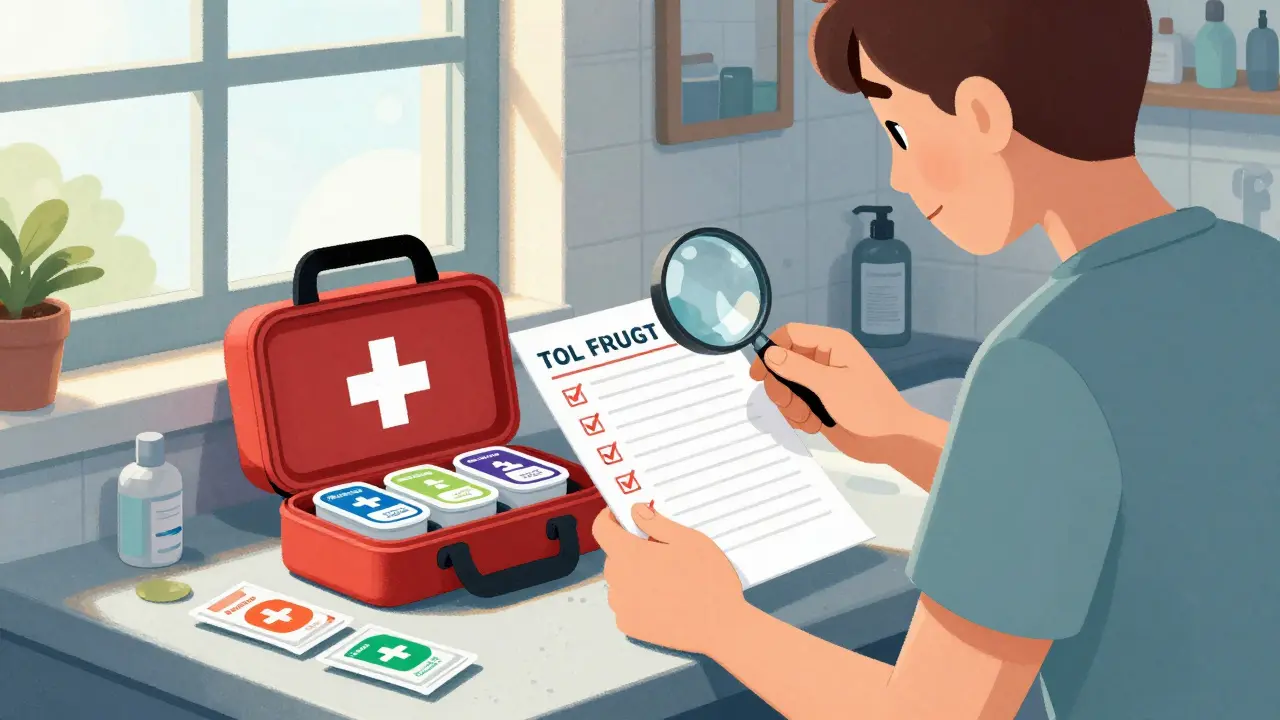
Do this every six months. It takes ten minutes. But it could save a life.
- Take everything out. Lay it on a clean surface. Don’t just glance-inspect each item.
- Check expiration dates. Write them down if you have to. Mark the ones coming up in the next 30 days. Replace those immediately.
- Look for changes. Is the pill discolored? Cracked? Smells weird? Is the cream separated or moldy? Is the liquid cloudy? Toss it.
- Test sprays and inhalers. Spray into the air. If it’s weak or doesn’t spray, replace it.
- Check bandages and gauze. Are they sticky? Are the seals broken? If yes, replace.
- Replace anything expired or questionable. Don’t wait. Buy new ones now.
Make it a habit. Do it every April and October. Tie it to daylight saving time changes. That way, you won’t forget.
What If You Have No Choice? An Emergency Situation
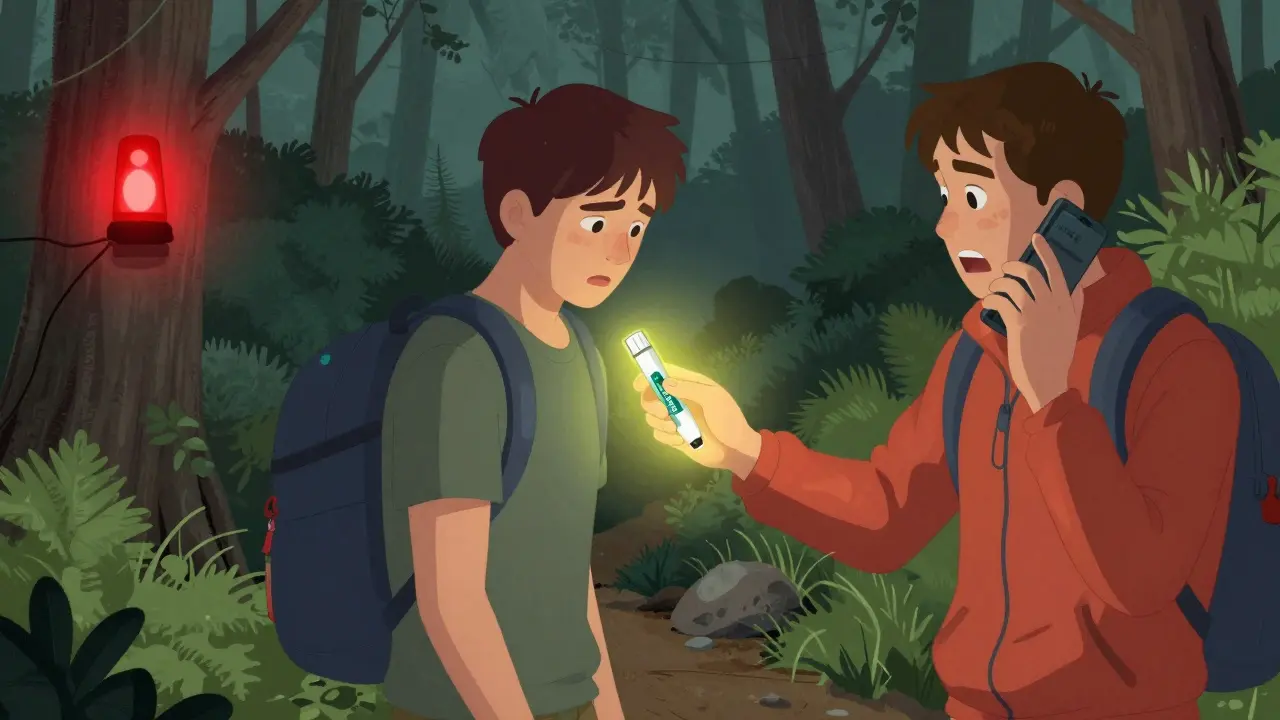
Imagine you’re hiking and someone has a severe allergic reaction. Their EpiPen expired six months ago. Do you use it?
Yes. But with caution.
The FDA and Cleveland Clinic agree: in a life-or-death emergency, using an expired epinephrine pen is better than doing nothing. Same with an old inhaler. But you must act fast. Administer the dose. Then call emergency services immediately. Explain what you used and that it was expired.
Never use expired antibiotics, eye drops, or insulin. There’s no safe workaround. You’re not saving time-you’re risking serious harm.
What to Do With Expired Medications
Don’t flush them. Don’t throw them in the trash where kids or pets can get them. Don’t burn them.
Find a take-back program. In the UK, most pharmacies offer free disposal of expired meds. The NHS encourages this. You can also check for National Prescription Drug Take Back Day events-held twice a year, usually in April and October. In 2023, over a million pounds of expired drugs were collected nationwide.
If no take-back is available, mix pills with coffee grounds or cat litter, seal them in a container, and throw them in the trash. Remove labels or black them out to protect your privacy.
Smart Tools to Help You Stay On Track
Technology is helping people manage this better. New first-aid kits now come with Bluetooth sensors that alert you 60 days before expiration. Apps like Medisafe and Pill Reminder scan barcodes and track expiry dates based on your storage conditions. Some manufacturers, like Bayer, now put QR codes on packaging that show real-time potency estimates.
Even if you don’t use tech, write the date you opened a bottle on the label. That’s more accurate than the printed expiration date for things like eye drops and creams.
Why This Matters More Than You Realize
A 2023 Consumer Reports survey found that 71% of people think OTC meds stay fully effective for two years past expiration. That’s wrong. And it’s dangerous.
When people use weak painkillers, they might take more-leading to accidental overdose. When they use expired antiseptics, they risk infection. When they rely on a dead EpiPen, they might not survive.
The American Red Cross says 68% of households have expired items in their first-aid kits. That’s nearly seven in ten. You don’t want to be one of them.
Replacing expired meds isn’t about being perfect. It’s about being prepared. A $5 bottle of ibuprofen isn’t worth risking your child’s life-or your own.
Check your kit today. Toss what’s expired. Restock what you need. Do it now-not next month. Because emergencies don’t wait for your next grocery trip.
Can I still use expired ibuprofen or acetaminophen?
Yes, if they’re solid tablets, unopened, and stored properly in a cool, dry place. Studies show many retain 90%+ potency years past expiration. But if they’re cracked, discolored, or smell odd, throw them out. Never use them for serious pain-only for minor, temporary relief.
Is it dangerous to use expired epinephrine?
It’s risky, but not always deadly. Expired epinephrine loses potency-sometimes by 30% or more. In a true anaphylactic emergency, using it is better than doing nothing. But you must call emergency services right away. Never rely on an expired EpiPen as your only protection. Always carry a current one.
How often should I check my first-aid kit?
Every six months. Do a quick visual check every three months. Replace anything expired, damaged, or changed in appearance. Make it part of your spring and fall routine-like changing smoke detector batteries.
Should I throw away expired antibiotics?
Absolutely. Liquid antibiotics can grow harmful bacteria. Even if they look fine, they may not work-and using them could lead to antibiotic resistance. Solid antibiotics like tablets are safer if unopened, but still best replaced. Never take leftover antibiotics for a new illness.
Where’s the best place to store my first-aid kit?
In a cool, dry place away from heat and moisture-like a kitchen cabinet not near the stove, or a bedroom drawer. Never store it in the bathroom. Humidity ruins pills, creams, and sprays. Keep it out of reach of children and pets.
Do I need to replace bandages and gauze if they’re expired?
Yes. Adhesive loses stickiness after 18 months. Sterile gauze can become contaminated after 24 months-even if unopened. A dirty dressing can cause infection. Replace them regularly. They’re cheap. Your health isn’t.
Comments
Cassie Widders
I just checked my first-aid kit and found three expired EpiPens. Yeah, I’m the person who forgets until it’s too late. Time to fix that.
January 10, 2026 at 20:30
Jose Mecanico
Good reminder. I’ve been meaning to clean mine out since last winter. Just never got around to it. Thanks for the nudge.
January 11, 2026 at 09:43
Rebekah Cobbson
My mom used to say, ‘Better safe than sorry’-and she was right. I keep a checklist taped to the inside of my cabinet door now. Every April and October, I go through everything. It takes five minutes, but I sleep better knowing my family won’t be stuck with weak meds in a crisis.
January 13, 2026 at 09:23
Daniel Pate
There’s a fundamental flaw in how we treat expiration dates. The FDA tests stability under ideal conditions. Most people store meds in humid bathrooms or hot cars. So the real shelf life is often shorter than what’s printed. We’re not just ignoring dates-we’re ignoring storage science.
January 13, 2026 at 10:54
Alex Fortwengler
They’re lying about the 80% potency stat. The DoD study? That was in climate-controlled military warehouses. Real people keep meds in their bathrooms next to the shower. And don’t get me started on those ‘QR codes’-they’re just corporate PR. You think Bayer cares if you live or die? Nah. They just want you to buy more.
January 14, 2026 at 14:59
Abner San Diego
Why do we even have expiration dates? It’s all a scam to make you buy new shit. I’ve used 10-year-old ibuprofen since college. Never had a problem. If it looks and smells fine, it’s fine. The government just wants you dependent on their system.
January 15, 2026 at 21:36
Konika Choudhury
Why are you Americans so obsessed with expiry dates? In India we use medicine till it’s gone. My grandmother used aspirin from 1998 for her headaches. She lived to 92. You overthink everything. Just use it if it works.
January 16, 2026 at 02:31
Windie Wilson
So let me get this straight: we’re supposed to panic about expired epinephrine but it’s totally fine to keep 15-year-old Tylenol in a drawer like it’s a family heirloom? The cognitive dissonance here is giving me whiplash. Also, why is everyone acting like this is news? My grandma had a first-aid kit that looked like a pharmacy after a tornado. She called it ‘The Emergency Tupperware.’
January 17, 2026 at 22:08
jordan shiyangeni
It’s not just about potency-it’s about liability. When you use expired medication, you’re not just risking your health, you’re potentially creating a legal nightmare for first responders, ER staff, and even your own family if something goes wrong. The FDA doesn’t just slap dates on bottles for fun. They’re legally binding thresholds based on rigorous degradation studies. Ignoring them isn’t ‘being practical’-it’s reckless negligence dressed up as common sense. And if you think your bathroom cabinet is a safe storage environment, you’re not just uninformed-you’re endangering others. This isn’t a suggestion. It’s a moral imperative.
January 18, 2026 at 09:13
Darryl Perry
Stop overcomplicating this. If it’s expired, replace it. End of story. Your ‘studies’ don’t matter if someone dies because you were too cheap to buy a new EpiPen. Don’t be the reason someone’s kid doesn’t make it home from school.
January 19, 2026 at 14:15