
Medication Appetite Management Guide
Select the appetite change you are currently experiencing to see a tailored management strategy.
Increased Hunger
Insatiable cravings, carb urges, or rapid weight gain.
Loss of Appetite
Lack of interest in food, feeling full quickly, or weight loss.
Dietary Adjustments
- High-Fiber: Whole grains to extend satiety by 20-30 mins.
- Protein Timing: 15-20g protein every 3-4 hours (e.g., Greek yogurt).
- Hydration: Drink a full glass of water before meals.
Lifestyle & Environment
- Visual Control: Remove processed snacks from sight.
- Muscle Mass: Resistance training 2-3x weekly to boost metabolism.
- Tracking: Log weight weekly for 3 months for your doctor.
Nutrient Density
- Healthy Fats: Focus on avocado, olive oil, and nut butters.
- Liquid Calories: High-calorie smoothies with protein powder.
- Small Wins: Focus on nutrient-dense bites over large plates.
Eating Habits
- Scheduled Eating: Use a timer; eat small snacks every 2 hours.
- Calorie Log: Track intake for 3 days to identify gaps.
- Medical Consult: Ask about appetite stimulants if too low.
Medical Disclaimer: This tool is for educational purposes. Never adjust your medication dosage or stop treatment without professional medical supervision.
The good news is that these changes aren't permanent or unmanageable. By understanding how these drugs interact with your brain's hunger switches, you can take a proactive approach to keep your weight and energy levels stable. appetite changes from medication are a manageable side effect, provided you have the right strategies and a supportive medical team.
Why Your Medication Changes Your Hunger
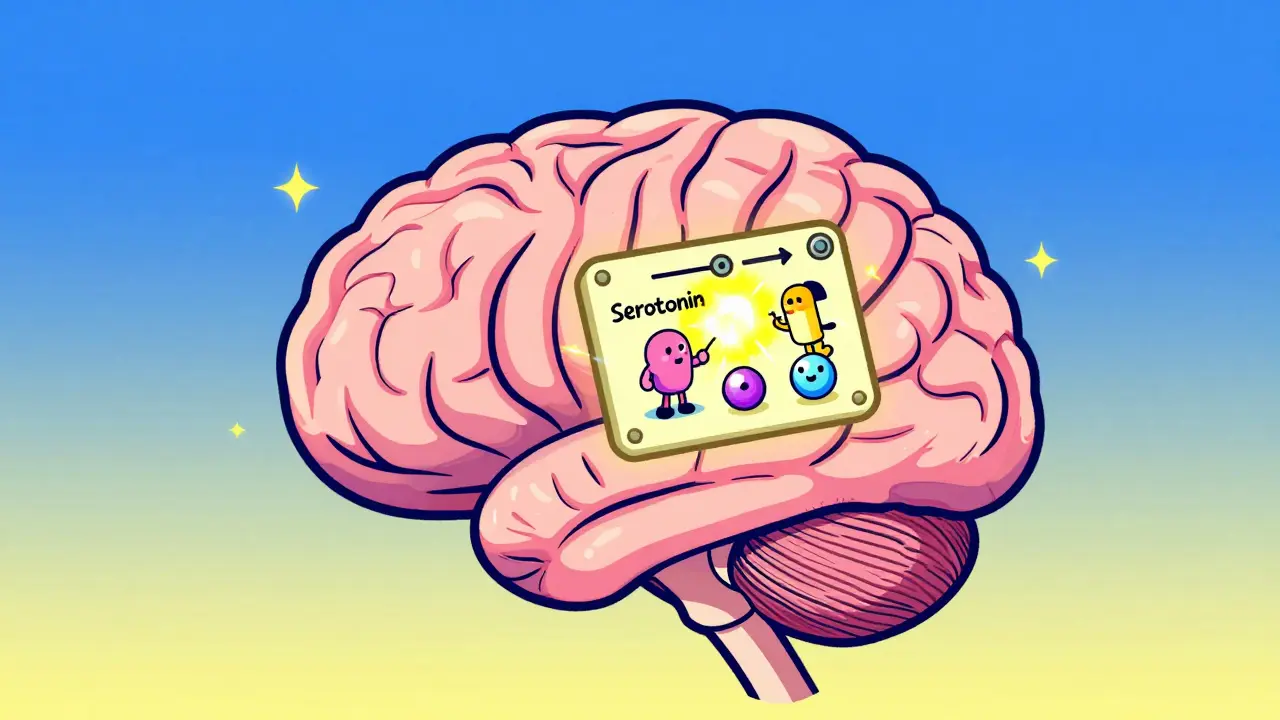
Your appetite isn't just about a rumbling stomach; it's a complex conversation between your gut and your brain, specifically the hypothalamus. Many medications interrupt this conversation by tinkering with neurotransmitters. Serotonin is a neurotransmitter that regulates mood, sleep, and satiety. When a drug alters serotonin levels, it can either make you feel full faster or leave you searching for carbohydrates to satisfy a chemical void. Similarly, Dopamine and histamine receptors play a huge role in how we perceive reward and hunger. When these are blocked or stimulated, your brain might signal that you're starving even if you've just eaten a full meal.
For some, the change is metabolic. Some drugs don't just make you hungrier; they slow down how fast your body burns calories or cause your system to hold onto excess water. This creates a double whammy: you're eating more because of increased ghrelin (the "hunger hormone") and burning less because of a lowered basal metabolic rate. For example, certain second-generation antipsychotics can spike ghrelin levels by up to 20% within the first month of use, turning a normal appetite into an aggressive one almost overnight.
Common Culprits: Which Meds Affect Appetite?
Not all medications act the same way. Some act like an open invitation to the pantry, while others act like a closed sign. Understanding which category your medication falls into helps you predict what's coming. Antipsychotics are often the most significant offenders, with drugs like olanzapine frequently causing rapid weight gain in the first few weeks. Antidepressants are a bit more nuanced; some might suppress appetite initially but lead to intense carb cravings after a year of use.
| Medication Class | Common Examples | Typical Appetite Effect | Average Weight Impact |
|---|---|---|---|
| Atypical Antipsychotics | Olanzapine, Quetiapine | Significant Increase | 5-10 kg gain |
| Certain Antidepressants | Mirtazapine, Paroxetine | Moderate Increase | 2-5 kg gain |
| Mood Stabilizers | Lithium | Variable/Increase | 3-5 kg gain |
| Stimulants | Amphetamines | Strong Suppression | Weight Loss |
| Diabetes Meds (Metformin) | Metformin | Slight Decrease | 2-3 kg loss |
Strategies for Managing Increased Appetite
When your brain is screaming for food, relying on "willpower" is a losing battle because the hunger is chemical, not emotional. The goal is to outsmart the biological signal. One of the most effective ways to do this is by increasing your intake of high-fiber, whole-grain foods. Fiber slows down digestion and keeps you feeling full for longer, which can extend your satiety duration by 20 to 30 minutes per meal. This gives your brain time to catch up with your stomach.
Protein is your best friend here. Instead of three large meals, try scheduled protein-rich snacks every 3 to 4 hours. Aim for 15-20 grams of protein-like a Greek yogurt or a handful of almonds. This keeps your blood sugar stable and prevents those massive hunger spikes that lead to binge eating. If you find yourself raiding the cupboards at midnight, try changing your environment. Removing high-energy, processed snacks from your immediate sight can reduce impulsive eating by as much as 35%.
Don't overlook the power of hydration and movement. Drinking a full glass of water before a meal can naturally reduce your caloric intake. Pair this with resistance training-like lifting weights or bodyweight exercises-2 to 3 times a week. Building lean muscle mass increases your basal metabolic rate, meaning you burn more calories even while resting, which helps offset the metabolic slowdown some medications cause.
What to Do When Medication Suppresses Appetite
On the flip side, some people experience a total loss of appetite. This is common with stimulants or certain antidepressants. While weight loss might seem like a perk to some, chronic under-eating leads to fatigue, brain fog, and muscle loss. When you don't feel hungry, eating becomes a chore, but it's essential to treat nutrition as part of your prescription.
The trick is to move away from the idea of "meals" and move toward "nutrient density." Since you can't eat a lot, make every bite count. Focus on caloric-dense, healthy fats like avocados, olive oil, and nut butters. Liquid calories are also a lifesaver; smoothies with protein powder, spinach, and fruit can provide a day's worth of nutrients without requiring you to chew through a massive plate of food that feels nauseating.
Set a timer for your meals. When your hunger signals are muted, you can't rely on your stomach to tell you when to eat. Eating on a schedule-even if it's just a small snack every two hours-ensures your brain continues to get the glucose it needs to function. If you find your intake dropping dangerously low, talk to your doctor about a temporary appetite stimulant or a dosage adjustment.
The Role of Your Healthcare Provider
You should never play "chemist" with your own prescriptions. It might be tempting to skip a dose or stop a medication because you've gained five pounds, but abruptly stopping psychiatric or cardiovascular meds can cause severe withdrawal symptoms or a relapse of the condition you're treating. Any change must be supervised. Your doctor can help you taper off a drug safely or suggest a weight-neutral alternative.
Modern medicine is moving toward more precise options. There are now newer medications, such as certain atypical antidepressants or updated antipsychotics, that have a much lower impact on weight. For instance, some newer formulations show significantly less weight gain than the older "gold standard" drugs. Be your own advocate: ask your doctor, "Is there a weight-neutral version of this medication that would work for my condition?"
Keep a simple log. Track your weight once a week for the first three months of any new medication. This data is incredibly valuable for your doctor. Instead of saying "I feel like I've gained weight," you can say "I've gained four pounds in two weeks." This concrete evidence often prompts a faster clinical response and a more tailored adjustment to your treatment plan.
How soon after starting a medication will I notice appetite changes?
Changes can happen almost immediately, but for many, the most rapid shifts occur within the first 4 to 10 weeks. For example, some antipsychotics can cause significant weight gain within the first two months as ghrelin levels increase and metabolic rates shift. This is why weekly monitoring during the first trimester of treatment is often recommended.
Can I take a second medication to counteract weight gain?
In some clinical cases, doctors may prescribe a secondary medication known to cause weight loss to balance out a primary drug. For instance, topiramate is sometimes used because it can reduce appetite and offset gain. However, this "drug layering" can increase side effects, so it must only be done under strict medical supervision.
Is it always possible to switch to a weight-neutral medication?
Not always. Some medications are chosen because they are the most effective for a specific, severe symptom, even if they have weight side effects. However, there are often several options within a medication class. Your doctor can evaluate if a different drug with a better metabolic profile will still provide the necessary therapeutic benefit.
Will my appetite return to normal if I stop the medication?
Generally, yes. Once the chemical influence on your neurotransmitters and hormones is removed, your body's natural hunger signals usually return. However, the weight gained during treatment may take longer to lose, especially if the medication caused a significant drop in your basal metabolic rate.
Does drinking more water actually help with drug-induced hunger?
Yes, it can. Water helps create a feeling of physical fullness in the stomach, which can send temporary satiety signals to the brain. While it doesn't fix the chemical imbalance, it can reduce total caloric intake by about 13% on average, making it a useful tool for managing cravings.
Next Steps for Different Scenarios
If you are just starting a new medication: Get a baseline measurement of your weight and waist circumference. Start a high-protein, high-fiber diet before the side effects kick in. This proactive approach can reduce the total amount of weight gained by up to 50% compared to waiting until after the gain occurs.
If you are currently struggling with massive hunger: Start by replacing refined carbs with whole grains to increase satiety. Focus on "environmental control" by clearing out trigger foods. Schedule a follow-up appointment with your provider to discuss if a dose adjustment or a different medication is appropriate.
If you are losing weight and feel weak: Transition to a liquid-calorie strategy. Use high-calorie shakes and smoothies to maintain your energy. Track your caloric intake for three days to see exactly how much you're missing, and share that log with your doctor to determine if you need a nutritional supplement.