
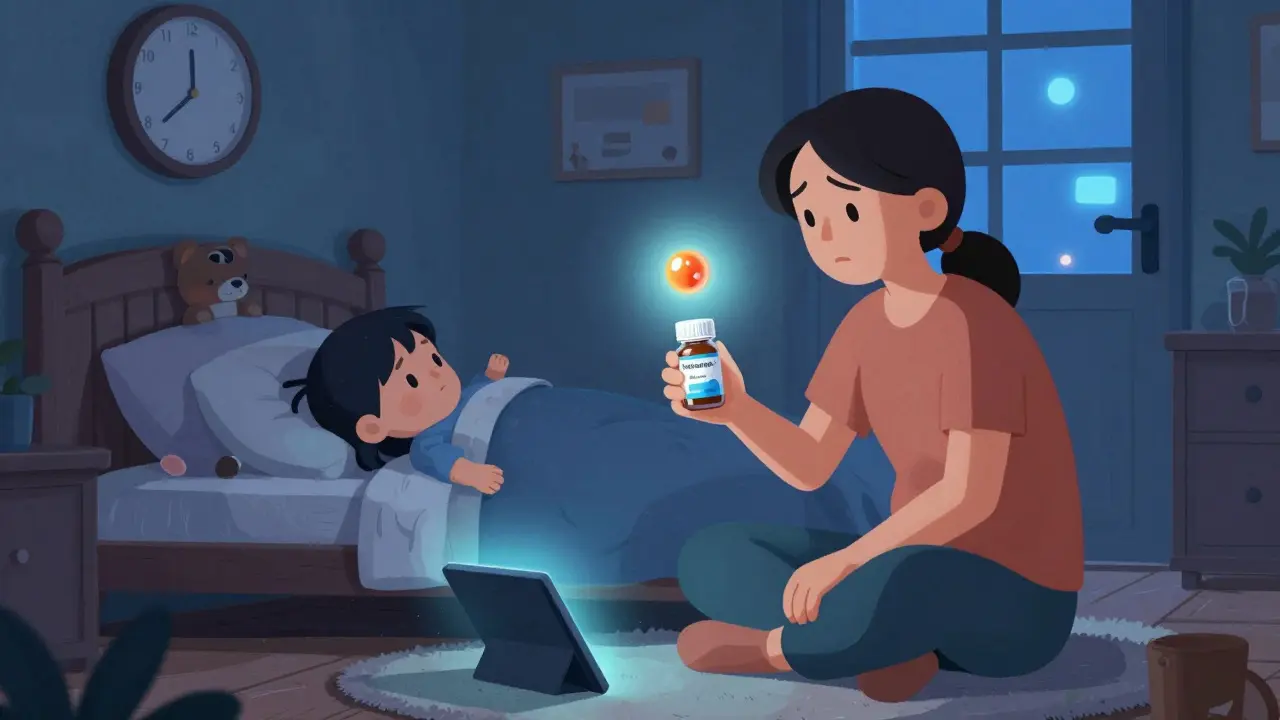
More parents than ever are reaching for melatonin when their child can’t fall asleep. It’s easy to see why: it’s natural, it’s available on every pharmacy shelf, and it seems harmless. But here’s the truth - melatonin isn’t a bedtime candy. It’s a hormone. And giving it to a child without understanding how it works can do more harm than good.
What Is Melatonin, Really?
Melatonin is a hormone your body makes naturally to signal it’s time to sleep. It’s produced by the pineal gland in response to darkness. In adults, levels rise in the evening and drop by morning. In kids, this system can get out of sync - especially with screen time, irregular schedules, or anxiety. That’s where synthetic melatonin comes in.
But here’s the catch: in the United States, melatonin is sold as a dietary supplement. That means the FDA doesn’t test it for safety, purity, or dosage accuracy. A 2022 study in JAMA Network Open found that nearly 70% of over-the-counter melatonin products contained more or less than what was listed on the label. Some had up to 478% more melatonin than advertised. That’s not a typo - that’s a dangerous inconsistency.
In the UK, melatonin is a prescription-only medicine (sold as Circadin), and even then, it’s only officially approved for adults over 55 with primary insomnia. But doctors can prescribe it off-label for children with chronic sleep problems - especially those with autism, ADHD, or other neurodevelopmental conditions.
When Is Melatonin Actually Helpful?
Melatonin isn’t a fix for every sleep problem. It doesn’t work if your child is going to bed too late, watching TV in bed, or drinking soda before sleep. It also won’t help if the child is anxious, has sleep apnea, or is going through a developmental phase.
Research shows melatonin works best for children with:
- Delayed Sleep-Wake Phase Disorder (trouble falling asleep until very late)
- Autism Spectrum Disorder (ASD)
- Attention-Deficit/Hyperactivity Disorder (ADHD)
- Neurodevelopmental conditions that disrupt natural sleep rhythms
For these kids, studies show melatonin can reduce the time it takes to fall asleep by 20-40 minutes. But it doesn’t help them stay asleep. If your child wakes up at 3 a.m. every night, melatonin won’t fix that.
Dosage: Less Is More
Most parents think more melatonin = deeper sleep. That’s wrong. Higher doses don’t work better - they just increase side effects.
Experts agree: start low. Very low.
- Under age 3: Avoid unless under strict pediatric supervision. Sleep issues at this age usually resolve with routine changes.
- Ages 3-5: Start with 0.5 mg to 1 mg, 30-60 minutes before bed. Most kids respond to this.
- Ages 6-12: 1 mg to 3 mg. Never exceed 5 mg without specialist advice.
- Ages 13-18: 1 mg to 5 mg. Some teens may need up to 10 mg, but only under a doctor’s care.
A 2024 review in PubMed Central found that even 0.3 mg of melatonin can raise blood levels to what the body naturally produces. Anything above 1 mg is already above normal levels. Doses over 10 mg can linger in the body for over 24 hours - which can mess with morning alertness, mood, and even puberty timing.
Choose slow-release tablets over gummies. Gummies often contain sugar, artificial colors, and inconsistent doses. A 2 mg slow-release tablet taken 1-2 hours before bed is the standard UK NHS prescription for children with chronic sleep disorders.
Timing Matters Just as Much as Dose
Melatonin isn’t like a sleeping pill that knocks you out. It’s a signal. Give it too early, and your child’s body gets confused. Give it too late, and they’re already wired.
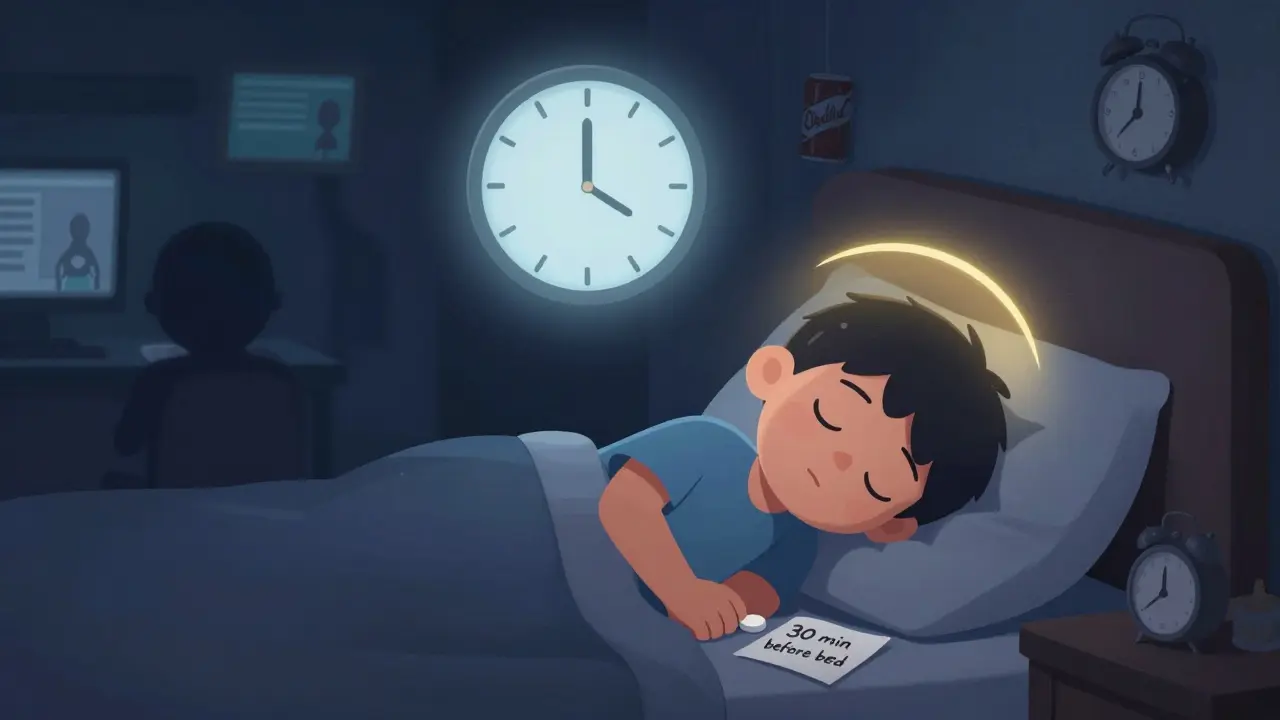
Best time to give it: 30 to 60 minutes before bedtime. That gives it time to enter the bloodstream and start signaling sleep.
For example: if your child’s bedtime is 8 p.m., give melatonin at 7:15-7:30 p.m. Don’t wait until 7:55 p.m. - by then, they’re already resisting sleep.
Also, don’t give it after midnight. Melatonin doesn’t help with waking up in the night. It only helps with falling asleep.
Safety Risks You Can’t Ignore
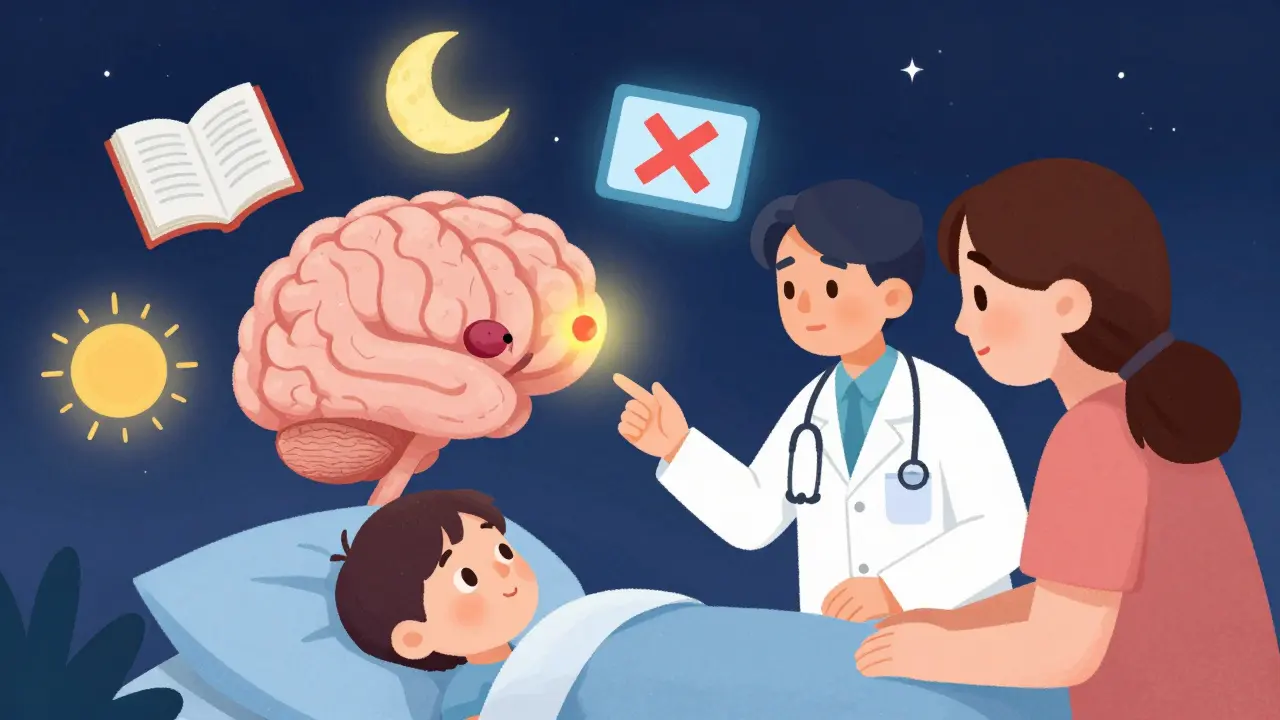
Yes, melatonin is generally safe for short-term use. But it’s not risk-free.
- Overdose symptoms: Drowsiness, nausea, vomiting, dizziness, low blood pressure, rapid heartbeat. In rare cases, seizures have been reported.
- Long-term effects: Unknown. No large studies track melatonin use in children over years. Animal studies suggest it may affect puberty timing - but we don’t know if that happens in humans.
- Drug interactions: Melatonin can interfere with seizure medications, blood thinners, diabetes drugs, and antidepressants.
- Product quality: In the U.S., supplements aren’t regulated. A 2023 study found some products contained serotonin - a powerful brain chemical - or even unlabeled prescription drugs.
Children under 3 should never take melatonin unless a pediatrician says so. Sleep problems in toddlers are often behavioral - not hormonal. A consistent routine, dim lights, and no screens after 6 p.m. fix most cases.
What to Do Before You Give Melatonin
Before you reach for the bottle, try these steps first:
- Fix the bedtime routine: Same time every night. Calm activities: bath, story, quiet music.
- Remove screens 60-90 minutes before bed: Blue light blocks natural melatonin production.
- Keep the room cool, dark, and quiet: Use blackout curtains. White noise machines help.
- Avoid caffeine: Soda, chocolate, tea - even in the afternoon - can delay sleep.
- Get daylight exposure: 20-30 minutes of morning sunlight helps reset the body’s clock.
- Limit naps after 3 p.m.: Especially for kids over 5.
If you’ve tried all this and your child still can’t fall asleep for over 45 minutes, three or more nights a week, for a month - then talk to your doctor.
Special Cases: Autism, ADHD, and Neurodiversity
Children with autism or ADHD often have severe sleep problems. Studies show up to 80% struggle with falling or staying asleep. For them, melatonin can be life-changing.
Experts like Dr. Sarah Malik at Children’s Healthcare of Atlanta say: “For kids with autism, the benefits of melatonin far outweigh the risks.” Many families report better moods, improved focus during the day, and less parental stress.
But even here, caution applies:
- Start with 0.5-1 mg.
- Use slow-release if they wake up frequently.
- Monitor for side effects: irritability, bedwetting, headaches.
- Re-evaluate every 3-6 months. Can they go off it?
Some kids with autism need melatonin for months or years. That’s okay - as long as a pediatrician is watching.
What About Other Sleep Aids?
Don’t use over-the-counter antihistamines like Benadryl or Unisom for kids. These aren’t sleep aids - they’re sedatives. They can cause next-day grogginess, dry mouth, confusion, and even hallucinations in children.
Herbal remedies like valerian root or chamomile? No reliable evidence they work in kids. And since they’re not regulated, you don’t know what’s in them.
Prescription sleep medications like zolpidem (Ambien) are never recommended for children under 18.
Melatonin is the only sleep aid with any meaningful research backing its use in kids - and even then, only for specific cases.
When to Call the Doctor
Call your pediatrician immediately if your child has:
- Difficulty breathing after taking melatonin
- Seizures or unusual twitching
- Extreme drowsiness or unresponsiveness
- Signs of an allergic reaction (rash, swelling, hives)
Also call if:
- Your child is taking other medications
- You’re unsure about the dose
- The sleep problem lasts longer than 6 weeks
- Your child has other medical conditions (epilepsy, diabetes, liver disease)
Don’t guess. Don’t rely on internet advice. Don’t use the same dose as your neighbor’s kid. Every child is different.
Final Thoughts: Melatonin Is a Tool, Not a Crutch
Melatonin can help. But it’s not the solution to poor sleep habits. It’s a bridge - a temporary support while you fix the real problem: inconsistent routines, screen overuse, or anxiety.
For most kids, the best sleep aid isn’t a pill. It’s a bedtime story. A dark room. A quiet house. A parent who says, “It’s time to rest.”
If you do use melatonin, keep it locked up. Treat it like medicine. Not candy. And always, always talk to your pediatrician first.
Is melatonin safe for toddlers under 3?
No, melatonin is not recommended for children under 3 unless specifically advised by a pediatrician. Sleep issues in toddlers are usually due to developmental changes, inconsistent routines, or environmental factors - not a lack of melatonin. Most sleep problems in this age group improve with better bedtime routines, reduced screen time, and a calm sleep environment.
Can melatonin cause long-term harm in children?
There isn’t enough long-term data to say for sure. Animal studies suggest high doses might affect puberty timing, but no human studies have confirmed this. The American Academy of Pediatrics and the Sleep Foundation both say more research is needed. For now, experts recommend using the lowest effective dose for the shortest time possible - and always under medical supervision.
What’s the best form of melatonin for kids?
Slow-release tablets are preferred over gummies or liquids. Gummies often contain sugar, artificial colors, and inconsistent dosing. A 2 mg slow-release tablet taken 1-2 hours before bed is the standard prescribed form in the UK. If using an over-the-counter product in the U.S., choose one with the USP Verified Mark - this means it’s been independently tested for accuracy and purity.
Can melatonin help my child stay asleep all night?
No. Melatonin helps with falling asleep, not staying asleep. If your child wakes up multiple times at night, melatonin won’t fix that. Other causes - like sleep apnea, anxiety, reflux, or poor sleep habits - need to be addressed. A pediatric sleep specialist can help identify the real issue.
How do I know if my child needs melatonin?
Try improving sleep hygiene first: consistent bedtime, no screens before bed, dark room, no caffeine. If your child still takes longer than 45 minutes to fall asleep, three or more nights a week, for a full month - and you’ve tried everything - then talk to your pediatrician. Melatonin is not a first-line treatment. It’s an option only after behavioral changes haven’t worked.
Is melatonin addictive?
Melatonin is not addictive in the way drugs like benzodiazepines are. Children don’t develop cravings or withdrawal symptoms. But some kids may come to rely on it psychologically - especially if sleep habits haven’t improved. The goal is always to use it temporarily while building healthy sleep routines, then wean off.
Remember: your child’s sleep matters - not just for their mood and school performance, but for their brain development, immune system, and emotional health. Don’t rush to a pill. Start with the basics. And if you need help, don’t hesitate to ask a professional.
Comments
Hilary Miller
My 5-year-old started taking 0.5mg and now sleeps like a log. No more 11 p.m. tantrums. Best decision ever.
January 21, 2026 at 15:21
Malik Ronquillo
Stop giving kids hormone pills like they're gummy vitamins. This is why America's kids are a mess. You want sleep? Put the phone down and say no.
January 22, 2026 at 22:02
Brenda King
I used melatonin for my autistic son for 8 months. Started at 0.5mg slow release. He went from 2 hours to fall asleep to 20 minutes. We weaned off last month. No withdrawal. Just better routine. 🙏
January 23, 2026 at 07:22
Mike P
LMAO you people are scared of a hormone? My kid takes 5mg and still wakes up at 5am. You think that's safe? I bet the FDA just yawns at this stuff.
January 23, 2026 at 13:14
Sarvesh CK
The fundamental issue here is not melatonin but the erosion of circadian rhythm in modern childhood. The pineal gland evolved under natural light cycles, not LED screens and midnight snacks. We have replaced biological wisdom with pharmaceutical convenience. The real question is not dosage, but why we have abandoned the architecture of sleep in the first place.
January 24, 2026 at 23:37
Kenji Gaerlan
my kid took melatonin and now he talks in his sleep. is that normal? or did i break him?
January 25, 2026 at 15:49
Oren Prettyman
The assertion that melatonin is 'generally safe' for short-term use is not supported by longitudinal data. Given the absence of robust, peer-reviewed, multi-decade pediatric studies, the precautionary principle dictates non-intervention. To prescribe a neuroendocrine modulator to developing brains without definitive safety profiles is, in my professional estimation, ethically indefensible.
January 27, 2026 at 10:06
Ryan Riesterer
The pharmacokinetics of exogenous melatonin in pediatric populations remain poorly characterized. Plasma half-life varies significantly by age, BMI, and CYP1A2 activity. Slow-release formulations mitigate peak concentration risks, but OTC products lack bioequivalence validation. Use of USP-verified brands is non-negotiable.
January 28, 2026 at 15:11
Akriti Jain
lol they're putting serotonin in melatonin? 😂 so the FDA is just letting Big Pharma turn bedtime pills into mood bombs? next they'll add Adderall for 'focus' 😏 #WakeUpAmerica
January 30, 2026 at 13:15
Jasmine Bryant
I tried the 1mg gummy first and my kid got hyper. Then switched to 0.5mg tablet and it worked like magic. Don't trust the gummies. They're basically candy with a label.
January 30, 2026 at 15:45
Liberty C
You're all just desperate parents who don't want to parent. Fix the bedtime routine. Put the phone away. Read a book. It's not rocket science. You don't need a chemical crutch to be a decent human.
January 31, 2026 at 23:30
shivani acharya
Melatonin is just the tip of the iceberg. They're already testing ADHD meds on 4-year-olds. Next thing you know, your kid's school will hand out 'sleep pills' like lunch tickets. Wake up. This is how they control the next generation. 🤡
February 1, 2026 at 10:13
Margaret Khaemba
I read this whole thing and I'm still confused. My 7-year-old wakes up at 3am every night. Melatonin didn't help. Should I try magnesium? Or is it anxiety? Or is it the cat sleeping on his head? I need a flowchart.
February 1, 2026 at 15:39
Daphne Mallari - Tolentino
The normalization of pharmacological intervention for developmental sleep latency in pediatric populations represents a profound cultural capitulation to efficiency over embodied rhythm. One must question whether the contemporary parent, overwhelmed by temporal precarity, has surrendered the pedagogical authority over the child's circadian formation to the pharmaceutical industrial complex. The remedy, therefore, lies not in dosage correction, but in the reclamation of ritual.
February 2, 2026 at 07:28