
When you pick up a generic pill at the pharmacy, it didn’t just show up there by accident. It went through something called ANDA approval, Abbreviated New Drug Application, the FDA’s official pathway for approving generic versions of brand-name drugs. Also known as generic drug application, it’s the legal and scientific gatekeeper that says: "This generic version is just as safe and effective as the original, and you can trust it." Without ANDA approval, most of the cheap meds you rely on wouldn’t exist.
Here’s how it works: A company doesn’t need to redo all the expensive clinical trials the brand-name drug went through. Instead, they prove their version has the same active ingredient, strength, dosage form, and route of administration. They also show it’s absorbed the same way in your body and works the same way. The FDA checks manufacturing sites, tests samples, and reviews data—sometimes even sending inspectors to factories overseas. Once approved, that generic drug can be sold at a fraction of the cost. And because multiple companies can get ANDA approval for the same drug, competition drives prices even lower. That’s why your $4 prescription for metformin or lisinopril exists.
But ANDA approval isn’t the end of the story. It’s the start of ongoing oversight. The FDA, the U.S. agency responsible for regulating drugs, medical devices, and food safety keeps watching after approval—tracking side effects through systems like FAERS, inspecting plants randomly, and responding to patient reports. That’s why you see articles here about post-approval drug monitoring, how the FDA tracks safety issues in generic medications after they’re on the market and why some drugs get pulled later. It’s not a one-time stamp of approval; it’s a continuous check-in.
And it’s not just about cost. ANDA approval shapes what your insurance covers. Insurers build formularies around approved generics because they’re predictable, affordable, and backed by FDA standards. That’s why your plan pushes you toward generics—it’s not just a cost-cutting move, it’s a safety-backed one. But not all generics are created equal. Some have different inactive ingredients that can cause reactions in sensitive people. Others might have delayed-release versions that don’t behave the same as the brand. That’s why understanding ANDA approval helps you ask better questions: "Is this the exact version my doctor prescribed?" or "Has this generic been on the market long enough to have real-world data?"
What you’ll find in the posts below is a clear look at how ANDA approval connects to everything else: how the FDA keeps tabs on generics after they’re sold, why some drug shortages still happen even with approved generics, how insurers use approved lists to control costs, and how patients benefit—or don’t—when these systems work as intended. You’ll see how real people are affected by this process, from the pharmacy shelf to the hospital ward. This isn’t just bureaucracy. It’s the invisible system that keeps your prescriptions affordable and your health protected.
Posted by
Paul Fletcher
12 Comments
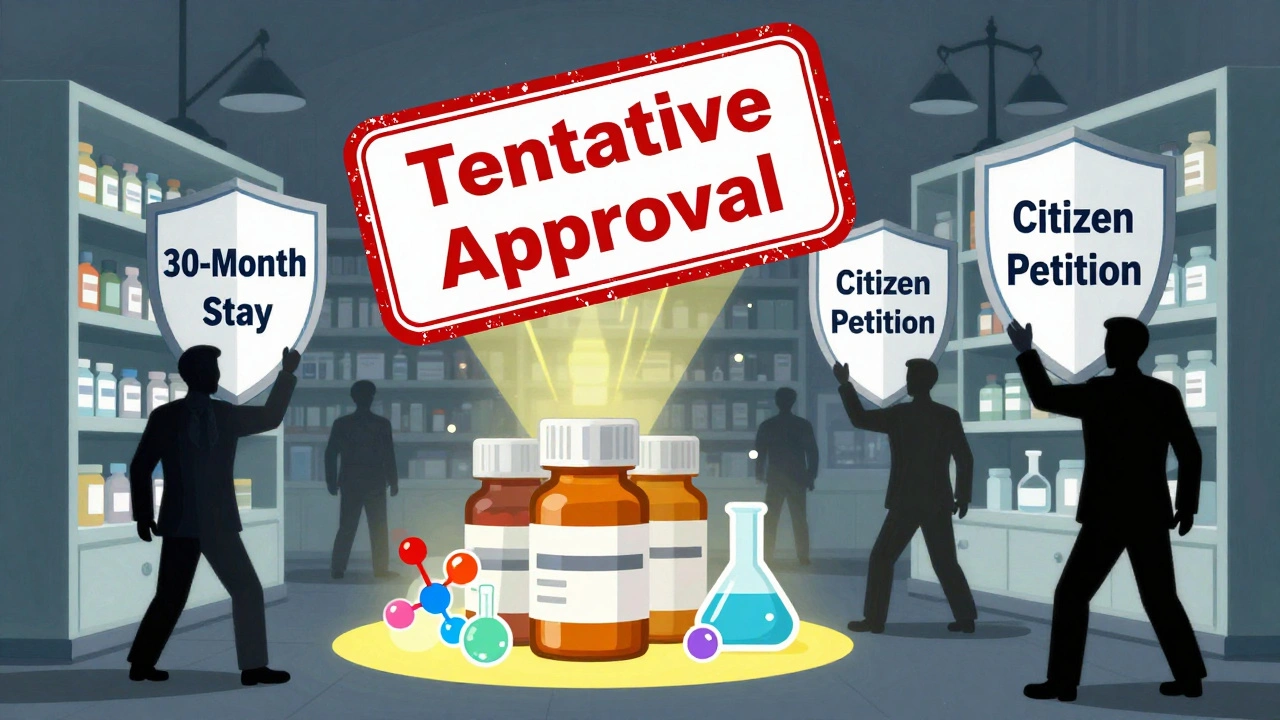
Tentative FDA approval for generics means the drug is scientifically ready - but legal, manufacturing, or economic barriers often block its market launch. Here's why so many generics never reach patients.
read more