
When you hear cancer immunotherapy, a treatment that trains your immune system to find and destroy cancer cells. It's not chemotherapy—it doesn't poison the body. Instead, it gives your immune system the tools it already has but can't use on its own. Think of it like upgrading your body’s security system to recognize cancer as an intruder, not just harmless tissue.
Checkpoint inhibitors, drugs that remove the brakes on immune cells are one of the most common types. They block proteins like PD-1 or CTLA-4 that cancer uses to hide. Drugs like Keytruda and Opdivo have helped people with melanoma, lung cancer, and kidney cancer live longer—sometimes for years. Then there’s CAR T-cell therapy, a personalized treatment where your own immune cells are pulled out, changed in a lab to hunt cancer, and put back in. It’s been life-changing for some with blood cancers like leukemia and lymphoma. But it’s complex, expensive, and not for everyone.
Not all cancers respond. Some tumors are good at hiding, even from an upgraded immune system. That’s why immunotherapy works best when combined with other treatments—or when used early. It’s also not without side effects. When your immune system gets too fired up, it can attack healthy organs. That’s why doctors watch for inflammation in the lungs, liver, or gut. And while these treatments are advancing fast, access isn’t fair. Rural patients, low-income groups, and people without good insurance often can’t get them at all.
What you’ll find below are real stories and facts about how cancer immunotherapy fits into the bigger picture of treatment. You’ll see how supportive care helps patients stay on these drugs, how drug shortages can delay care, and why some patients never even get the chance to try them. This isn’t just science—it’s about who gets help, when, and why.
Posted by
Paul Fletcher
16 Comments
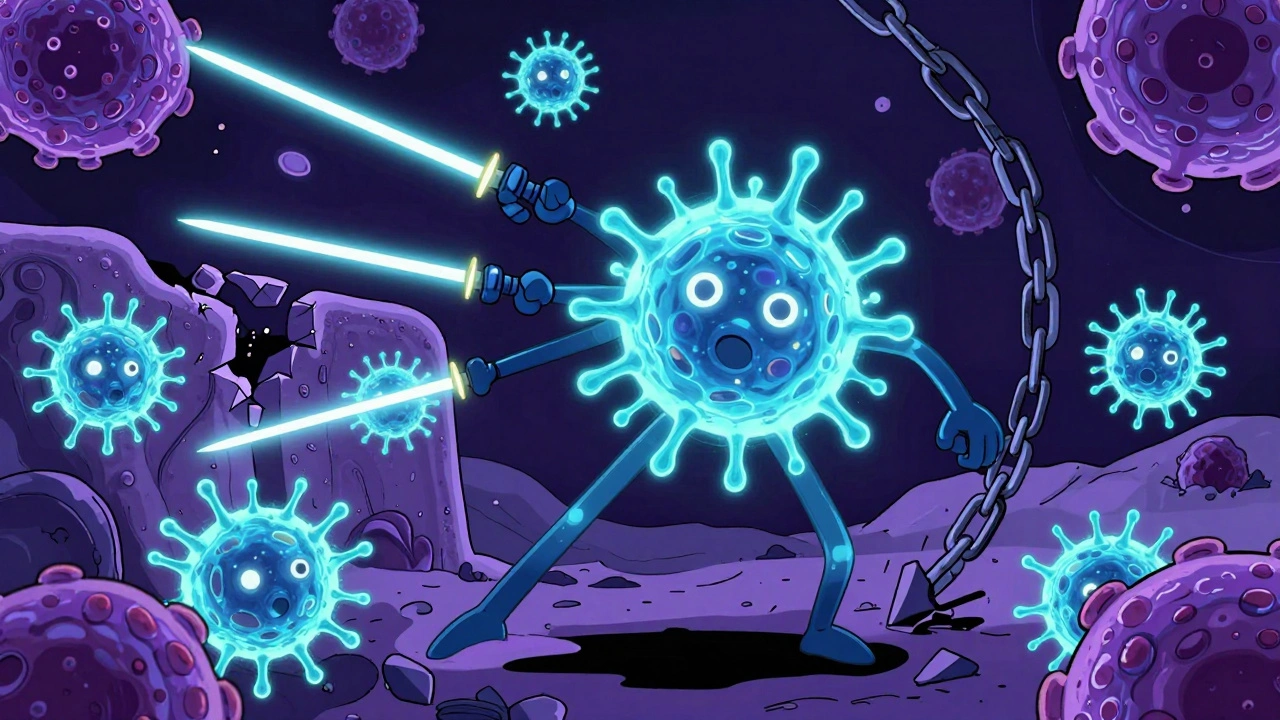
Checkpoint inhibitors and CAR-T cell therapy are transforming cancer treatment by harnessing the immune system. Learn how they work, who benefits most, their side effects, and why access remains unequal.
read more