
When you find an old bottle of pills in your medicine cabinet, it’s easy to think, It’s probably still fine. But expired medicine, pharmaceuticals that have passed their manufacturer’s expiration date aren’t just less effective—they can be unsafe. The date on the bottle isn’t arbitrary; it’s the last day the manufacturer guarantees the drug will work as intended and remain stable. After that, chemical breakdowns begin, and with them, unpredictable risks.
One of the biggest dangers is drug potency, the strength and effectiveness of a medication. Antibiotics like amoxicillin or tetracycline can lose their punch, leaving you vulnerable to infections that don’t respond. In rare cases, degraded tetracycline has been linked to kidney damage. Even common painkillers like ibuprofen or acetaminophen can break down into harmful byproducts over time. And it’s not just about strength—medication safety, the risk of adverse effects from improper use or degraded drugs—changes too. Liquid medications, like insulin or antibiotics, are especially risky. They can grow bacteria, change pH, or separate, making them dangerous to use even if they look normal.
Many people don’t realize that pharmaceutical expiration, the official end date for a drug’s guaranteed safety and efficacy is based on real testing—not guesswork. The FDA requires manufacturers to test stability under heat, light, and humidity. Once a drug expires, those conditions can accelerate breakdown. Even if your pills are stored perfectly, time still works against them. And don’t assume that because a drug is "natural" or an herbal supplement, it’s safer—many lose potency or turn toxic after expiration. Think of it like milk: just because it doesn’t smell bad doesn’t mean it’s safe to drink.
What about those "emergency" situations? You’re out of your blood pressure pill, and the pharmacy is closed. Taking a six-month-old one? Don’t. The difference between 90% and 50% potency could mean a stroke or a trip to the ER. Same with heart medications, thyroid drugs, or seizure controls—tiny changes in dose can have big consequences. And if you’re treating a child, an infection, or a chronic condition, guessing with expired meds isn’t risk management—it’s gambling with your health.
The good news? You don’t have to live with cluttered cabinets full of old pills. Most communities have drug take-back programs. If not, mix expired meds with coffee grounds or cat litter, seal them in a bag, and toss them in the trash—never flush them. And next time you get a prescription, ask your pharmacist: "How long will this last?" Many newer medications have extended stability, and some can be safely used months past the printed date if stored right. But never assume. When in doubt, throw it out.
Below, you’ll find real-world stories and expert insights on how expired drugs affect health, what regulators are doing about it, and how to protect yourself from the quiet dangers of old medicine.
Posted by
Jenny Garner
17 Comments
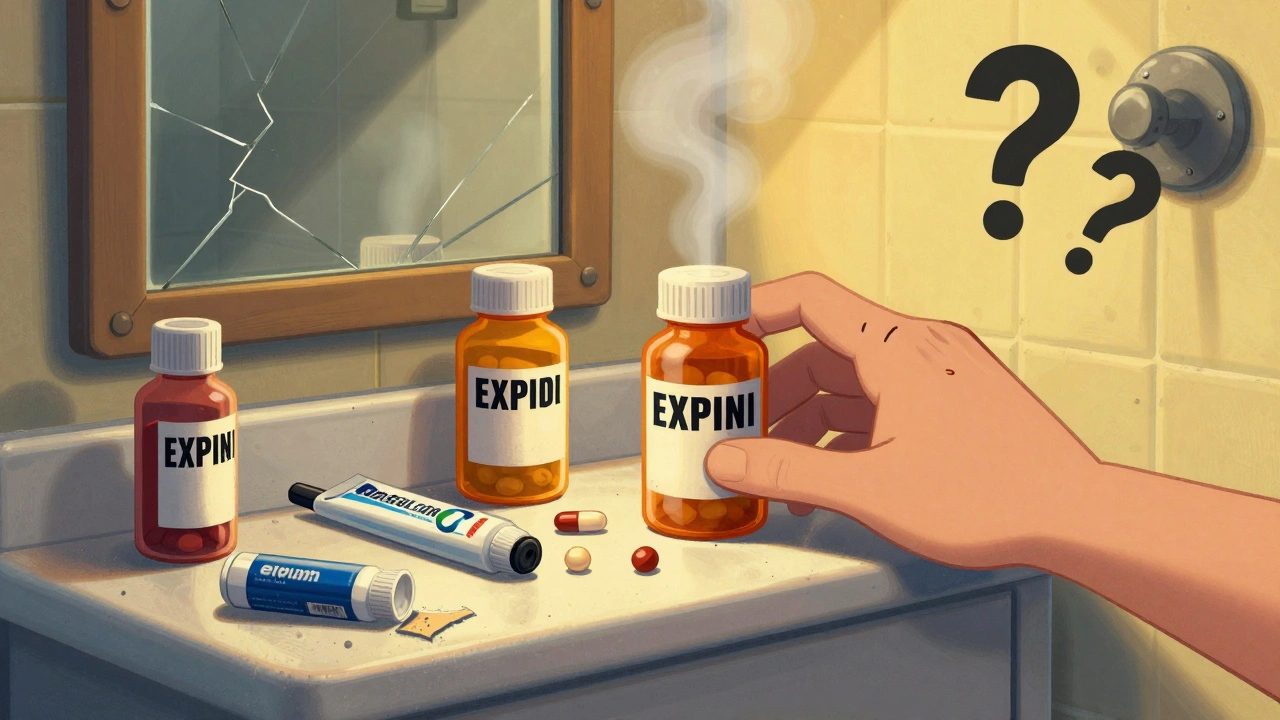
Expired medications aren't always dangerous, but they're rarely reliable. Learn which pills are safe to use after expiration, which ones can harm you, and how to store and dispose of them properly.
read more