
When you buy medicine, you trust it will do what it says—nothing more, nothing less. But fake medication, pharmaceutical products that are deliberately and fraudulently mislabeled or manufactured. Also known as counterfeit drugs, it can contain the wrong active ingredient, too little or too much of the right one, or even toxic substances like rat poison or floor cleaner. This isn’t science fiction. The WHO estimates that 1 in 10 medical products in low- and middle-income countries are substandard or falsified. Even in the U.S., fake pills disguised as oxycodone or Xanax are killing people every day.
Counterfeit drugs don’t just fail to help—they actively harm. A fake antibiotic might not kill the infection, letting it spread. A fake cancer drug might have no active ingredient at all, giving false hope while the disease progresses. And some counterfeit pills contain fentanyl, a synthetic opioid 50 times stronger than heroin. Just two milligrams can kill an adult. These pills are often sold online, in foreign pharmacies, or even through social media influencers who pretend to be medical experts. The counterfeit pills, fraudulent drugs designed to mimic branded or generic medications look identical to the real thing, down to the color, shape, and imprint. Only lab tests can tell the difference.
How do you protect yourself? Never buy medicine from websites that don’t require a prescription. Avoid deals that seem too good to be true—like $5 pills for $500 brand-name drugs. Check if the pharmacy is licensed by your state board of pharmacy. Look for the VIPPS seal (Verified Internet Pharmacy Practice Sites) if you’re buying online. And if a pill looks different than usual, or makes you feel strange after taking it, stop using it and talk to your doctor. The medication safety, practices and systems designed to prevent harm from drugs you follow should include knowing where your pills come from.
The problem isn’t going away. With global supply chains and easy online access, fake medication is easier than ever to produce and distribute. But awareness saves lives. The posts below show real cases—like how fake Sudafed contains illegal stimulants, how expired pills can become dangerous, and why buying from unregulated pharmacies puts you at risk. You’ll learn how to spot red flags, what to do if you suspect a fake, and how regulators are trying to stop this trade. This isn’t just about saving money. It’s about staying alive.
Posted by
Paul Fletcher
14 Comments
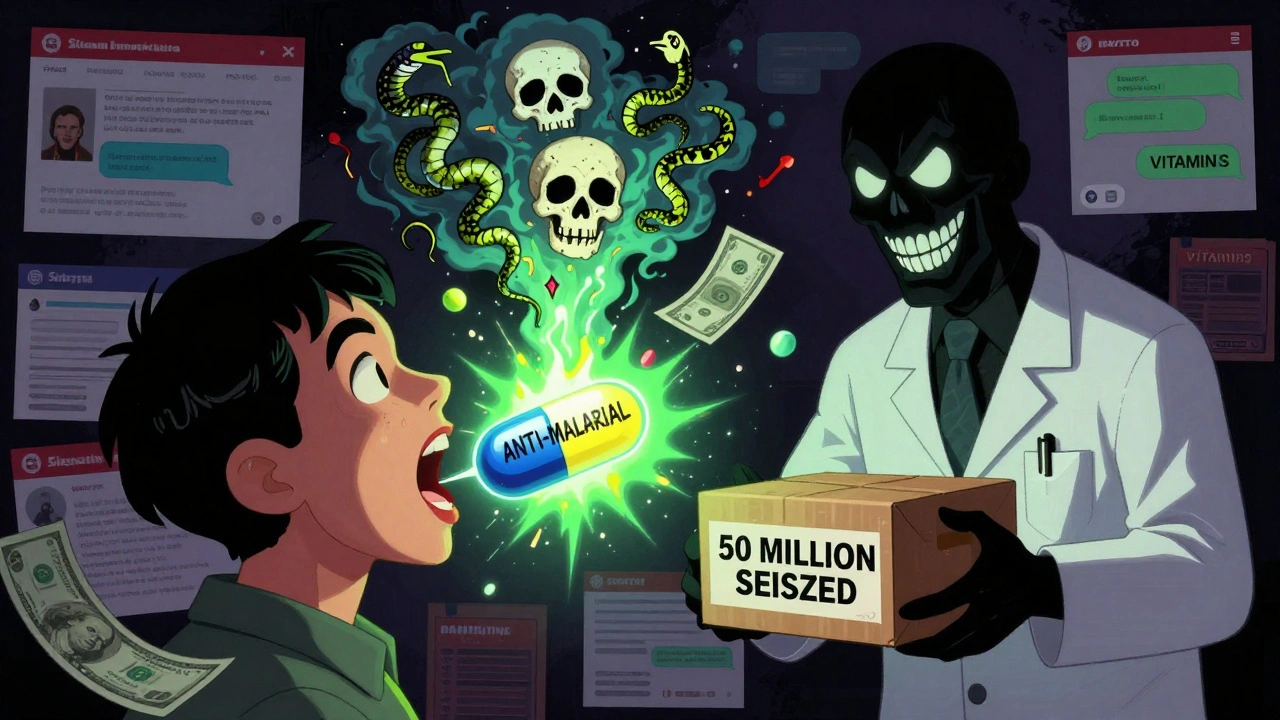
Ordering medication from foreign websites may save money, but it puts your life at risk. Counterfeit drugs are widespread, often deadly, and nearly impossible to detect. Learn how to avoid them and stay safe.
read more