
When a drug hits the market, the FDA adverse event reporting, a system where patients and doctors report unexpected side effects after a drug is approved. Also known as post-marketing surveillance, it’s the real-world safety net that clinical trials can’t fully cover. Clinical trials involve thousands of people over months. But once millions start taking a drug—older adults, pregnant women, people on five other meds—hidden dangers show up. That’s where FDA adverse event reporting kicks in. It’s not just for doctors. Anyone can file a report: you, a family member, a pharmacist. And it’s not just about rashes or nausea. It’s about heart attacks, liver failure, suicidal thoughts, and sudden deaths that only appear after widespread use.
These reports feed into a system called pharmacovigilance, the science of detecting, assessing, and preventing adverse drug effects. The FDA doesn’t wait for a pattern of 100 reports to act. AI tools scan millions of entries yearly, looking for spikes in specific side effects tied to specific drugs. A single report might seem small, but when 500 people report the same rare brain bleed after taking a new blood pressure pill, that’s a red flag. That’s how drugs get black box warnings, dosing limits, or pulled from shelves. It’s also how we learned about the heart risks with Vioxx, the birth defect links with thalidomide, and the suicidal ideation tied to certain antidepressants. These aren’t theoretical risks—they came from real people filing real reports.
Adverse drug reactions, harmful and unintended responses to medications at normal doses. are the core of this system. But they’re not always obvious. A patient might blame fatigue on aging, or dizziness on stress, not realizing it’s from their new statin. That’s why the FDA encourages reporting even if you’re unsure. You don’t need a diagnosis. You just need to say: "I started this drug, then I got X symptom." The system connects the dots. And if you’re on a drug like clozapine, sulfonylureas, or an mRNA vaccine, your report could help others avoid the same problem. This isn’t bureaucracy. It’s collective safety. Every report adds to the puzzle. And right now, over 1.5 million reports are in the FDA’s database, with thousands added every month. The posts below show how this system ties into real-world issues: why some generics get delayed, how drug shortages happen, why insulin or antidepressants cause unexpected side effects, and how biosimilars are tracked. You’ll see how patient reports don’t just monitor safety—they change how drugs are made, prescribed, and used. Your voice matters. The next report could be the one that stops a tragedy before it spreads.
Posted by
Paul Fletcher
9 Comments
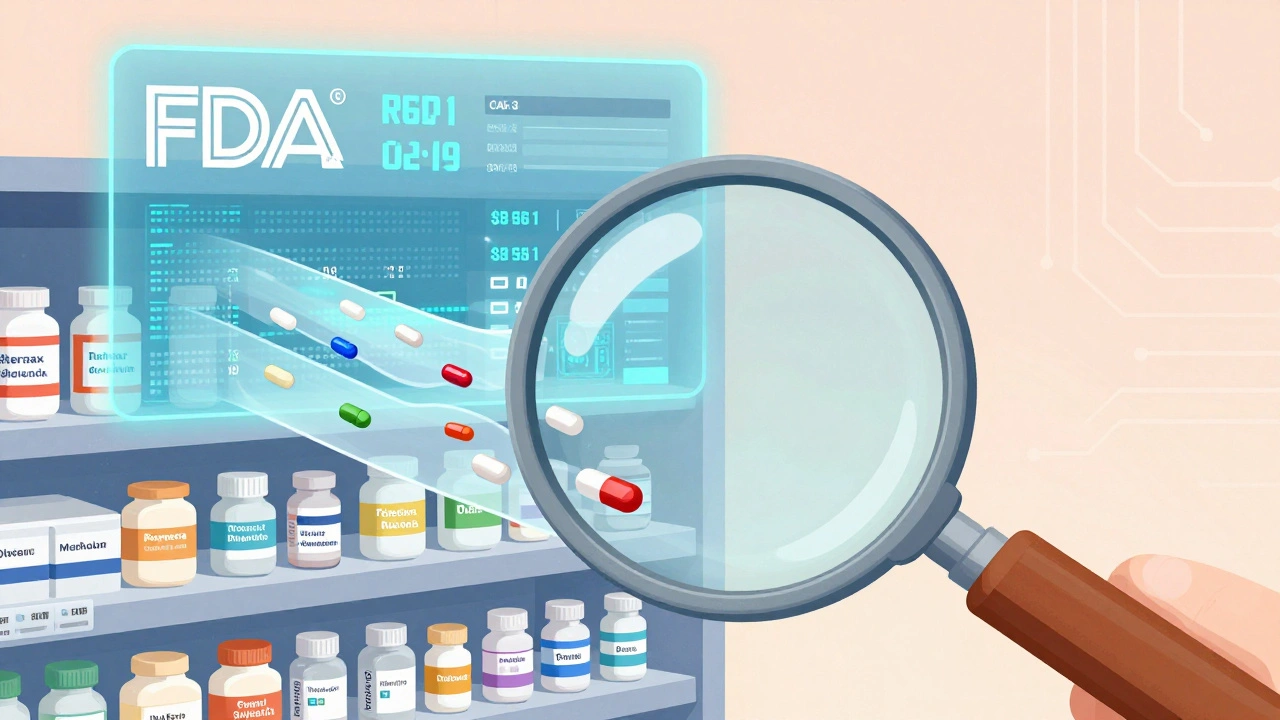
The FDA doesn't stop monitoring generic drugs after approval. Using real-time data, inspections, and patient reports, it tracks safety issues long after these affordable medications hit the market. Here's how it works.
read more