
When you pick up a generic drug, a medication that contains the same active ingredient as a brand-name drug but is sold under its chemical name. Also known as non-brand medication, it works the same way, costs far less, and is held to the same FDA approval standards as the original. The FDA doesn’t cut corners—every generic must prove it delivers the same dose, works the same way in your body, and meets the same purity and strength rules. That’s not marketing. That’s science.
But here’s the catch: approval doesn’t always mean availability. Many generics get tentative approval from the FDA—meaning they’re scientifically ready—but sit on the shelf because of patent fights, manufacturing delays, or lack of profit incentive. You might think all approved generics are in stock, but that’s not true. Some lifesaving drugs, like certain antibiotics or cancer treatments, still have long waits because the system doesn’t reward speed. And while the generic drug quality is tightly monitored through post-marketing surveillance, real-world reports from patients and pharmacists are what catch the problems clinical trials miss. Your report of a side effect or a pill that doesn’t work the same way? It matters.
Insurers push generics hard because they save money—sometimes 95% less than brand names. But that doesn’t mean every generic is equal. Some are made in overseas factories with less oversight. Others are reformulated without clear warning, changing how your body absorbs them. The FDA tracks this through pharmacovigilance systems, but you need to know what to watch for: sudden changes in how you feel, new side effects, or a pill that looks different. If your generic suddenly causes stomach upset when the old one didn’t, talk to your pharmacist. It might be a different filler, a different manufacturer, or even a counterfeit. The system works, but it’s not perfect—and you’re part of the safety net.
What you’ll find below are real stories and facts about how generic drugs actually behave—why some never reach shelves, how smoking can change their effect, why insurers favor certain ones, and what to do when your medication doesn’t feel right. These aren’t theory pieces. They’re grounded in what patients and providers see every day. From delayed approvals to hidden interactions, this collection cuts through the noise. You’re not just reading about drug safety. You’re learning how to protect yourself.
Posted by
Paul Fletcher
9 Comments
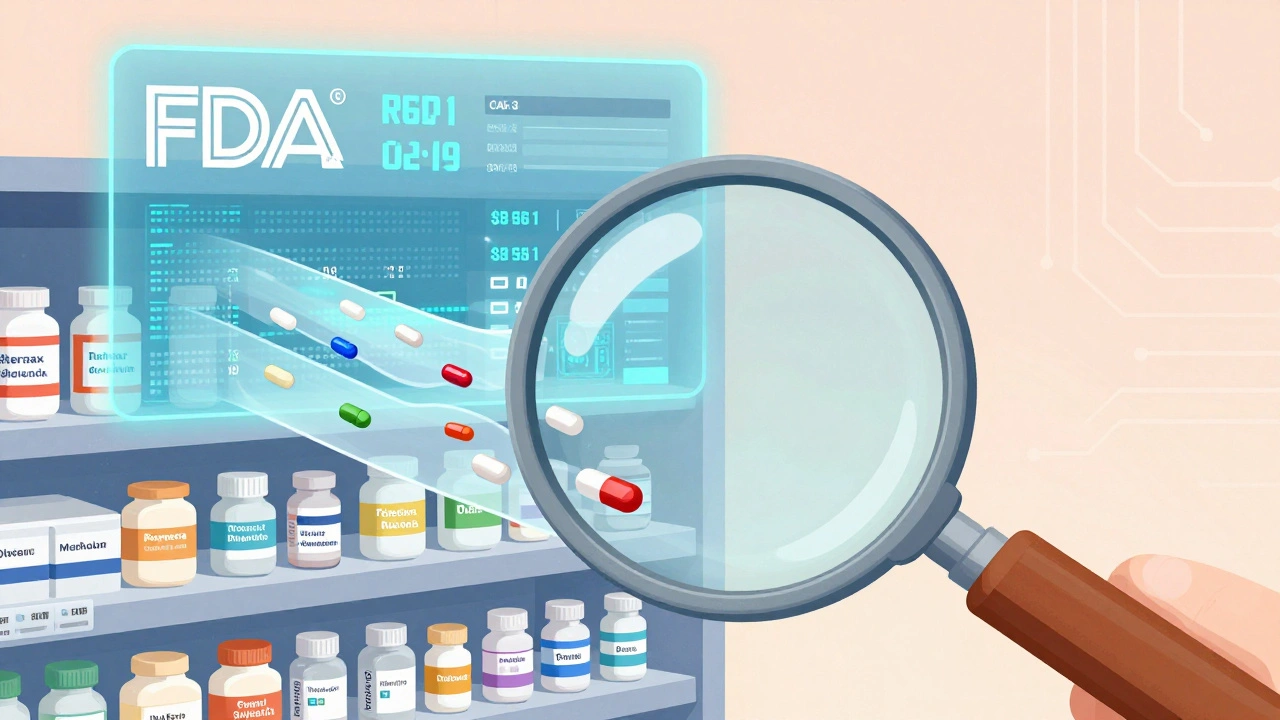
The FDA doesn't stop monitoring generic drugs after approval. Using real-time data, inspections, and patient reports, it tracks safety issues long after these affordable medications hit the market. Here's how it works.
read more