
When you pick up a prescription and see a generic version instead of the brand name, you're holding a FDA generics, approved copies of brand-name drugs that contain the same active ingredient, strength, and dosage form. Also known as generic medications, they're not cheaper because they're weaker—they're cheaper because the patent expired and competition kicked in. The FDA doesn't just approve them and walk away. It keeps watching.
That’s where post-approval monitoring, the ongoing safety tracking of drugs after they hit the market comes in. The FDA uses real-world data from the FAERS system, pharmacy reports, hospital alerts, and even patient submissions to catch problems that clinical trials missed. A drug might look perfect in a trial of 500 people—but what happens when 5 million take it? That’s when rare side effects, manufacturing flaws, or unexpected interactions show up. And when they do, the FDA can issue warnings, demand label changes, or pull a generic off the market. This isn’t theoretical. It’s happened with blood thinners, diabetes meds, and even antibiotics.
It’s not just about safety. generic drug safety, the trust that these affordable versions work just like the originals depends on consistent quality. The FDA inspects overseas factories—sometimes unannounced—because nearly 80% of generic drug ingredients come from outside the U.S. They check for contamination, improper storage, or fake ingredients. One bad batch can affect thousands. That’s why your doctor might switch you to a different generic if your symptoms change. It’s not you. It’s the batch.
And here’s the thing: most people don’t realize how often they’re on generics. From blood pressure pills to antidepressants, over 90% of prescriptions filled in the U.S. are generics. Insurers push them because they cut costs—sometimes by 95%. But that doesn’t mean they’re second-rate. They’re held to the same standard. The FDA doesn’t treat them like second-class drugs. They’re the backbone of affordable care.
Still, questions linger. What if your generic causes a reaction the brand never did? Why does one generic make you feel different than another? The answers lie in inactive ingredients, absorption rates, and how your body handles each version. That’s why some patients stick with brand names—even when they can afford generics. The FDA tracks those reports too. Your feedback matters.
What you’ll find below are real stories and facts about how FDA generics work after they leave the lab. From how the Purple Book tracks biosimilars to how drug shortages hit generic supply chains, from insurance formularies that control what you get to how pharmacies handle specialty generics—this collection cuts through the noise. You’ll learn what to ask your pharmacist, how to spot a problem early, and why the system works better than most people think. No fluff. Just what you need to know to use generics safely and confidently.
Posted by
Paul Fletcher
12 Comments
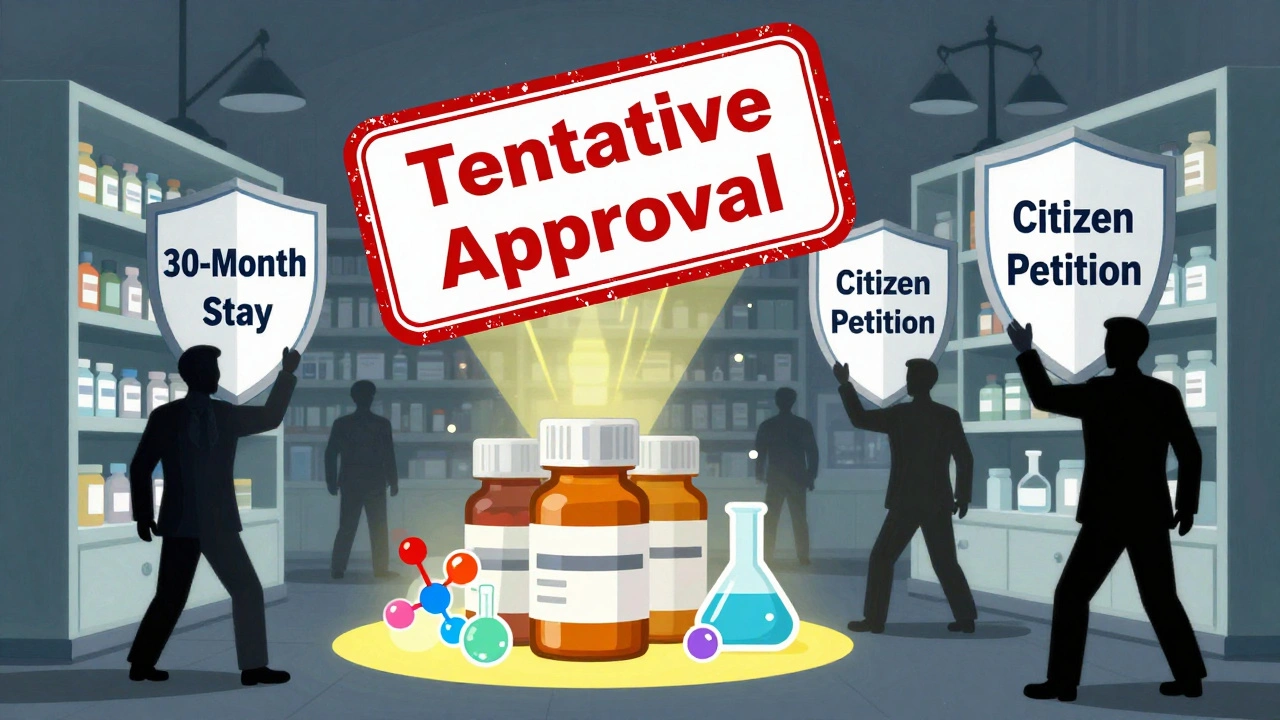
Tentative FDA approval for generics means the drug is scientifically ready - but legal, manufacturing, or economic barriers often block its market launch. Here's why so many generics never reach patients.
read more