
When you take a generic drug, you expect it to work just like the brand-name version—but safety doesn’t end at approval. Generic drug surveillance, the ongoing monitoring of medications after they’re sold to the public. Also known as post-marketing pharmacovigilance, it’s how hidden risks like liver damage, irregular heart rhythms, or sudden skin reactions are found after thousands or millions of people start using the drug. Clinical trials only involve a few thousand patients over months. Real life? Millions use the drug for years. That’s where the real dangers show up.
That’s why post-marketing pharmacovigilance, the system that tracks side effects after a drug is approved exists. It pulls data from hospitals, pharmacies, patient reports, and even AI tools scanning electronic health records. A single report from a patient who got a rare rash after taking a generic blood pressure pill can trigger a nationwide safety review. The adverse drug reactions, harmful and unintended responses to medication that slip through clinical trials don’t stay hidden for long when this system works right.
But it only works if people speak up. If you notice something unusual—like unexplained fatigue, swelling, or mood changes after switching to a generic—report it. Those reports feed into global databases that help regulators decide if a drug needs a stronger warning, a dose change, or even to be pulled. It’s not just about big pharma or the FDA. It’s about you. Your experience matters.
What you’ll find below are real stories and breakdowns of how this system catches problems: why some generics take years to launch despite being scientifically ready, how smoking changes your medication levels, what happens when a drug causes bladder issues or liver stress, and how insurers shape which generics reach you. These aren’t theoretical discussions. They’re grounded in actual cases, data, and patient reports that shaped safety guidelines. This is how medicines stay safe after they leave the lab—and how you can help keep them that way.
Posted by
Paul Fletcher
9 Comments
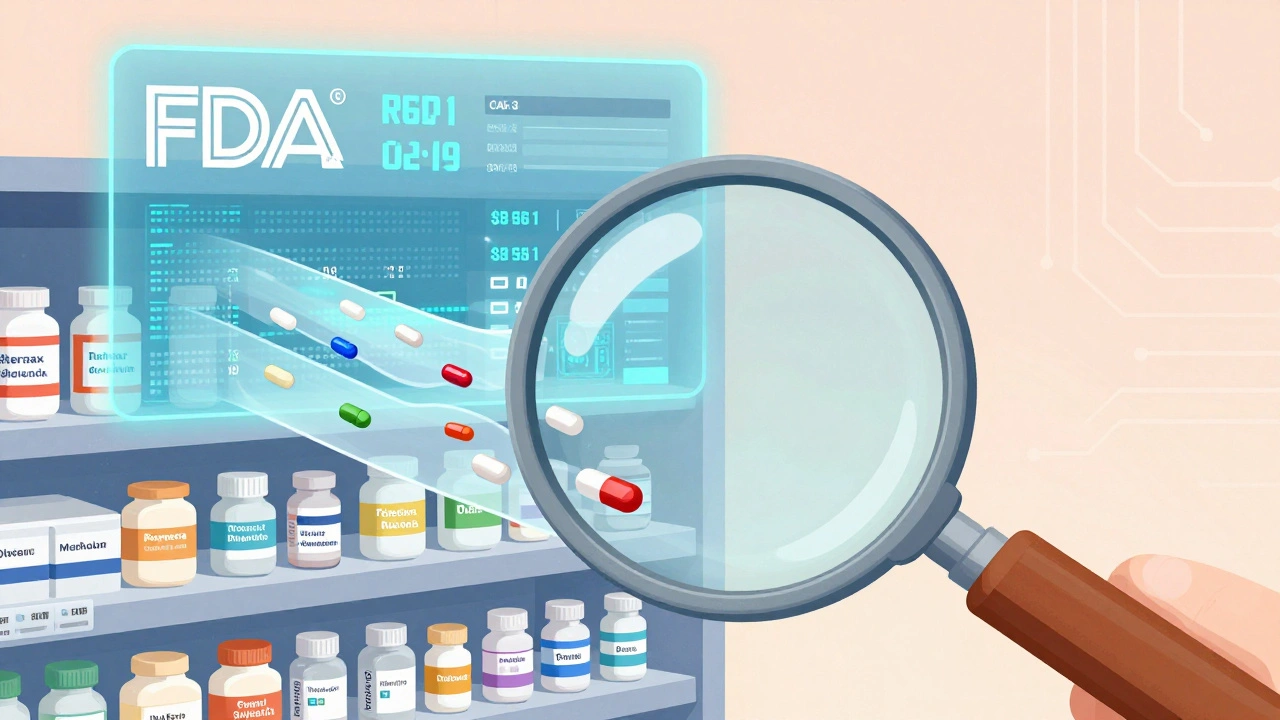
The FDA doesn't stop monitoring generic drugs after approval. Using real-time data, inspections, and patient reports, it tracks safety issues long after these affordable medications hit the market. Here's how it works.
read more