
When your body heals a cut, rebuilds bone after a break, or repairs damaged tissue, it’s not magic—it’s growth factors, natural signaling proteins that tell cells when to grow, divide, and repair. Also known as cytokines, these molecules are the body’s internal messengers, directing everything from skin regeneration to blood vessel formation. Without them, wounds wouldn’t close, bones wouldn’t heal, and recovery from injury would be far slower—or impossible.
Growth factors don’t work alone. They’re part of a larger system that includes cell regeneration, the process by which damaged or dead cells are replaced by new ones, and wound healing, a complex biological response that relies on growth factors to coordinate inflammation, tissue building, and remodeling. For example, platelet-derived growth factor (PDGF) kicks off tissue repair after trauma, while vascular endothelial growth factor (VEGF) helps form new blood vessels to feed the healing area. These same factors are now being used in advanced treatments—like topical gels for diabetic ulcers, sprays for burns, and even in some cancer therapies where they help restore healthy tissue after radiation.
But growth factors aren’t just for healing. They’re also tied to biologics, medications made from living cells that mimic natural proteins, including growth factors. Drugs like erythropoietin (EPO) and granulocyte colony-stimulating factor (G-CSF) are synthetic versions of growth factors used to treat anemia or boost white blood cell counts after chemotherapy. Even tissue repair, the broader goal of restoring structure and function after damage—whether from surgery, disease, or injury—depends on these proteins to guide the process. That’s why researchers are studying how to better control them: too little, and healing stalls; too much, and you risk abnormal growth, like scar tissue or tumors.
The posts below dive into how growth factors connect to real-world medicine—from how they’re used in specialty pharmacies to manage complex treatments, to how post-marketing surveillance tracks their safety in real patients. You’ll find articles on how these proteins influence everything from cancer therapy to wound care, and why understanding them can help you make smarter decisions about your health. Whether you’re managing a chronic condition, recovering from surgery, or just curious about how your body fixes itself, this collection gives you the facts without the fluff.
Posted by
Paul Fletcher
11 Comments
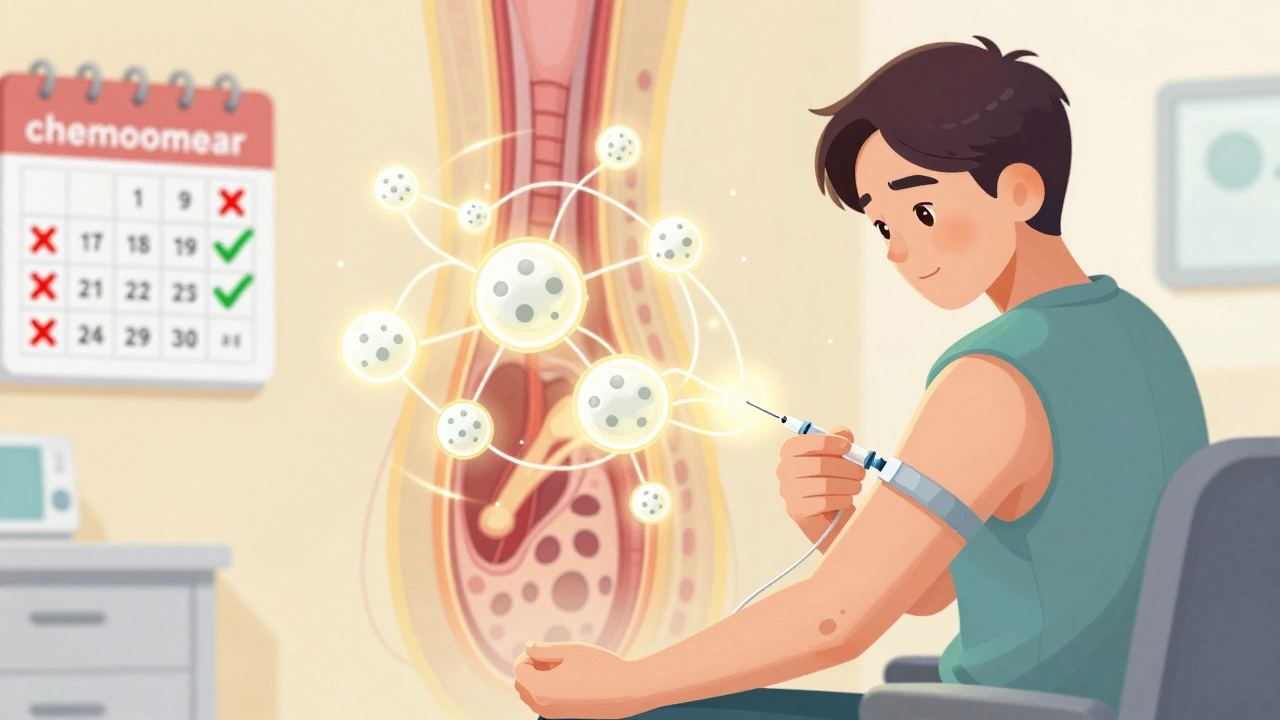
Supportive care in cancer uses growth factors, antiemetics, and pain relief to manage treatment side effects, improve survival, and keep patients on track. Learn how these evidence-based tools work and why access remains unequal.
read more