
When a new drug gets approved, it doesn’t mean the safety work is done. Post-approval drug monitoring, the ongoing process of tracking how drugs behave in real-world use after they’re sold to the public. Also known as pharmacovigilance, it’s how hidden risks — like rare heart problems, liver damage, or unexpected mental side effects — are found after thousands or millions of people start taking the drug. Clinical trials involve a few thousand people over months. Real life? Millions take the drug for years, often with other medications, chronic conditions, or genetic differences that trials never saw.
This is where pharmacovigilance systems, the global networks that collect and analyze reports of bad reactions to medicines come in. Doctors, pharmacists, and even patients can report problems like dizziness, rash, or sudden fatigue. These reports go into databases like the FDA’s FAERS or the EU’s EudraVigilance. AI tools scan millions of these reports to spot patterns — like a spike in heart inflammation after a new mRNA vaccine. That’s how they caught rare cases of myocarditis in young men, or how they found that certain diabetes drugs could cause severe joint pain years after launch.
It’s not just about new drugs. Even old ones get re-evaluated. A 20-year-old painkiller might suddenly show a link to kidney damage in older adults because more seniors are using it now. Or a generic version of a blood thinner might have a different filler that causes more bleeding. Adverse drug reactions, harmful and unintended responses to medications at normal doses don’t always show up on a label. That’s why your report matters — whether you’re a patient who felt strange after a new pill, or a nurse who noticed a pattern in your clinic. These reports are the early warning system for the whole system.
And it’s not just about danger. Post-approval monitoring also helps identify when a drug works better than expected — like how a diabetes drug turned out to protect the heart, leading to new uses. But most of the time, it’s about catching the bad before it gets worse. Hospitals, pharmacies, and regulators all rely on this system to pull drugs off shelves, update warnings, or change dosing rules. Without it, we’d be flying blind after approval.
What you’ll find below are real stories from the front lines of this invisible safety net — from how mRNA vaccines were tracked after rollout, to why a common antidepressant caused brain zaps in thousands, to how smoking can slash a schizophrenia drug’s effectiveness by half. These aren’t theoretical risks. They’re real, documented, and sometimes life-changing. This is the system that keeps you safe after the hype fades and the pills keep coming.
Posted by
Paul Fletcher
9 Comments
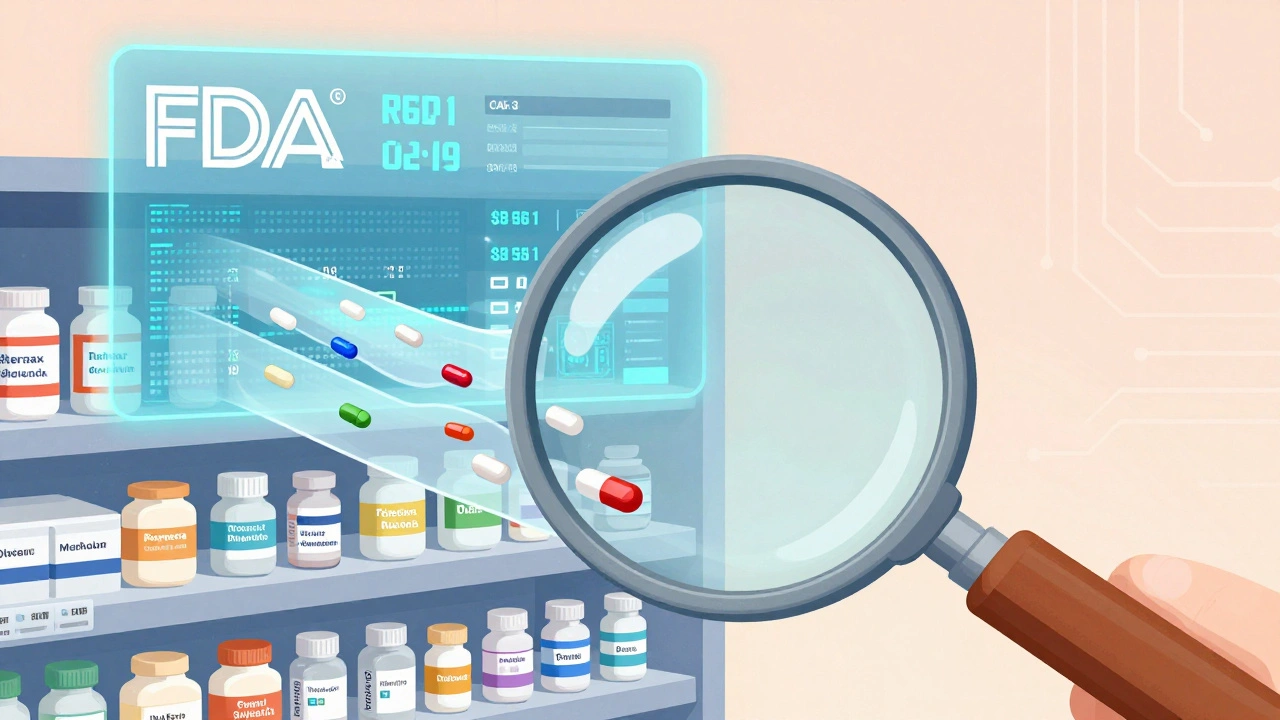
The FDA doesn't stop monitoring generic drugs after approval. Using real-time data, inspections, and patient reports, it tracks safety issues long after these affordable medications hit the market. Here's how it works.
read more