
When you're going through cancer treatment, chronic illness, or even long-term medication use, supportive care, a focused approach to managing symptoms and improving quality of life during medical treatment. Also known as palliative care, it doesn't try to cure the disease—it helps you live as well as possible while you're dealing with it. This isn't optional extra help. It's a core part of treatment, especially when drugs like chemotherapy, immunotherapy, or opioids cause fatigue, nausea, pain, or emotional strain.
Supportive care includes everything from medication side effects, unwanted reactions from drugs like diuretics causing frequent urination or antidepressants triggering withdrawal symptoms, to practical help like getting prescriptions delivered at home or managing dosing schedules so you don’t miss pills. It’s about fixing what breaks in your daily life because of illness. If you’re on beta-blockers and can’t exercise like before, or if clozapine levels drop because you smoke, or if sulfonylureas make your blood sugar crash—these aren’t just side effects. They’re problems supportive care is designed to solve.
It’s also emotional. Skipping meds because you’re overwhelmed? That’s a real issue. Antidepressant discontinuation syndrome, polypharmacy risks, or the stress of oral chemotherapy at home? These aren’t just medical facts—they’re daily struggles. Supportive care teams help you navigate those. They don’t just hand out pills. They ask: Are you sleeping? Can you eat? Do you feel alone? And they adjust treatment to fit your life, not the other way around.
You’ll find articles here that show how supportive care works in real life. From reducing opioid risks to handling fungal infections in kidney patients, from understanding why generics sometimes don’t reach shelves to how insurers control what you pay—each post ties back to one truth: treatment doesn’t end when the drug is prescribed. It continues in how you feel, how you manage, and how you survive day to day. This collection doesn’t just list facts. It gives you tools to take back control.
Posted by
Paul Fletcher
11 Comments
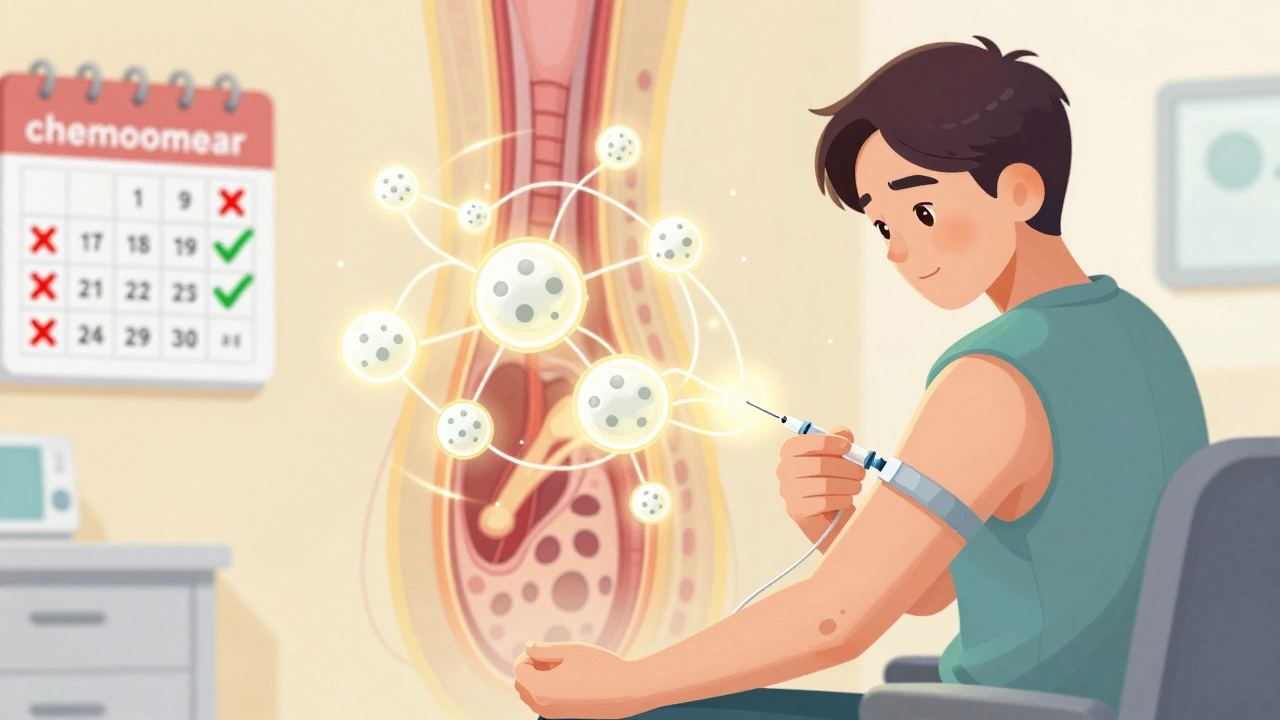
Supportive care in cancer uses growth factors, antiemetics, and pain relief to manage treatment side effects, improve survival, and keep patients on track. Learn how these evidence-based tools work and why access remains unequal.
read more