
When you find an old bottle of pills in your medicine cabinet, you might wonder: expired medications, drugs that have passed their manufacturer-set expiration date. Are they still safe? Do they still work? The answer isn’t simple—some lose strength, others break down into harmful compounds, and a few are just fine. The FDA requires expiration dates based on stability testing, but those dates aren’t arbitrary. They’re the last day the manufacturer guarantees full potency and safety under proper storage. Most people assume expired means useless, but the truth is more complicated. For example, antibiotics like tetracycline can degrade into toxins that damage your kidneys. On the other hand, studies from the FDA’s Shelf Life Extension Program show many drugs, including painkillers and heart medications, remain effective years past their label date—if stored in cool, dry places.
drug safety, the practice of ensuring medications don’t harm users goes beyond just checking dates. It’s about how you store them, what you do with them after they expire, and whether you’re tempted to use them during a shortage. People skip doctor visits and grab old meds because they’re cheaper or easier. But using expired insulin, epinephrine auto-injectors, or nitroglycerin can be life-threatening. Even common drugs like aspirin or antihistamines may not work as well, meaning your allergy or headache won’t get treated properly. pharmacy waste, the disposal of unused or expired drugs is a growing issue too. Flushing pills down the toilet pollutes water, while tossing them in the trash risks kids or pets finding them. The CDC recommends mixing expired meds with coffee grounds or cat litter, sealing them in a bag, and throwing them in the trash.
What about drug effectiveness, how well a medication works at its intended dose? The science says potency drops slowly—often under 10% after a year past expiration. But that small drop matters if you’re treating something critical like seizures, high blood pressure, or infection. If your asthma inhaler doesn’t deliver the full dose because it’s two years old, you could end up in the ER. And don’t assume that because a drug looks fine, it’s safe. Tablets can crack, liquids can cloud, and creams can separate. These are signs the chemical structure changed.
There’s no one-size-fits-all rule. But here’s what you can do today: Check expiration dates on all your meds once a year. Toss anything past its date if it’s used for serious conditions. For minor stuff like ibuprofen or allergy pills, if it’s only a few months past expiration and stored well, it’s probably okay—but don’t rely on it. Always talk to your pharmacist. They know which drugs degrade fast and which don’t. And if you’re ever unsure, get a new prescription. Your health isn’t worth the gamble.
Below, you’ll find real stories and facts from experts about what happens to drugs after they expire, how regulators track safety, why some meds are more dangerous than others, and how to dispose of them without hurting the planet or your family.
Posted by
Jenny Garner
10 Comments
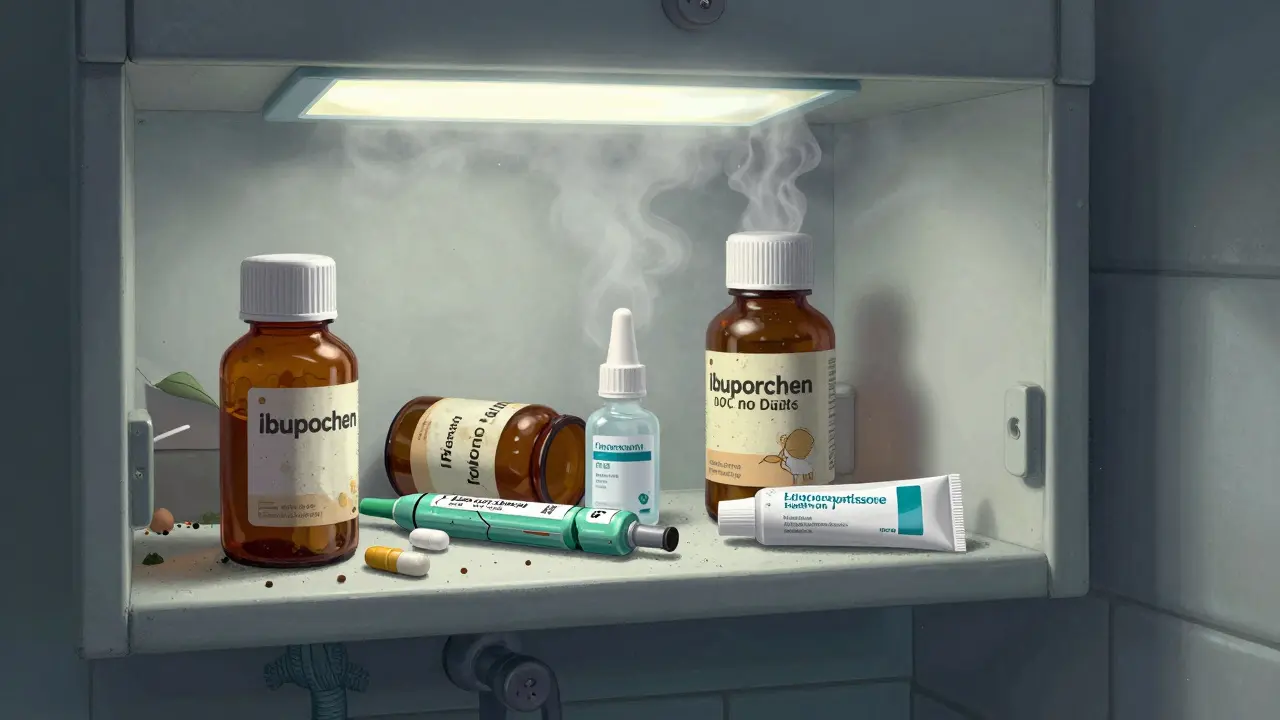
Learn which expired OTC first-aid meds are safe to use and which can be dangerous. Get clear, science-backed rules for checking, replacing, and storing your home first-aid kit to stay prepared for emergencies.
read morePosted by
Jenny Garner
17 Comments
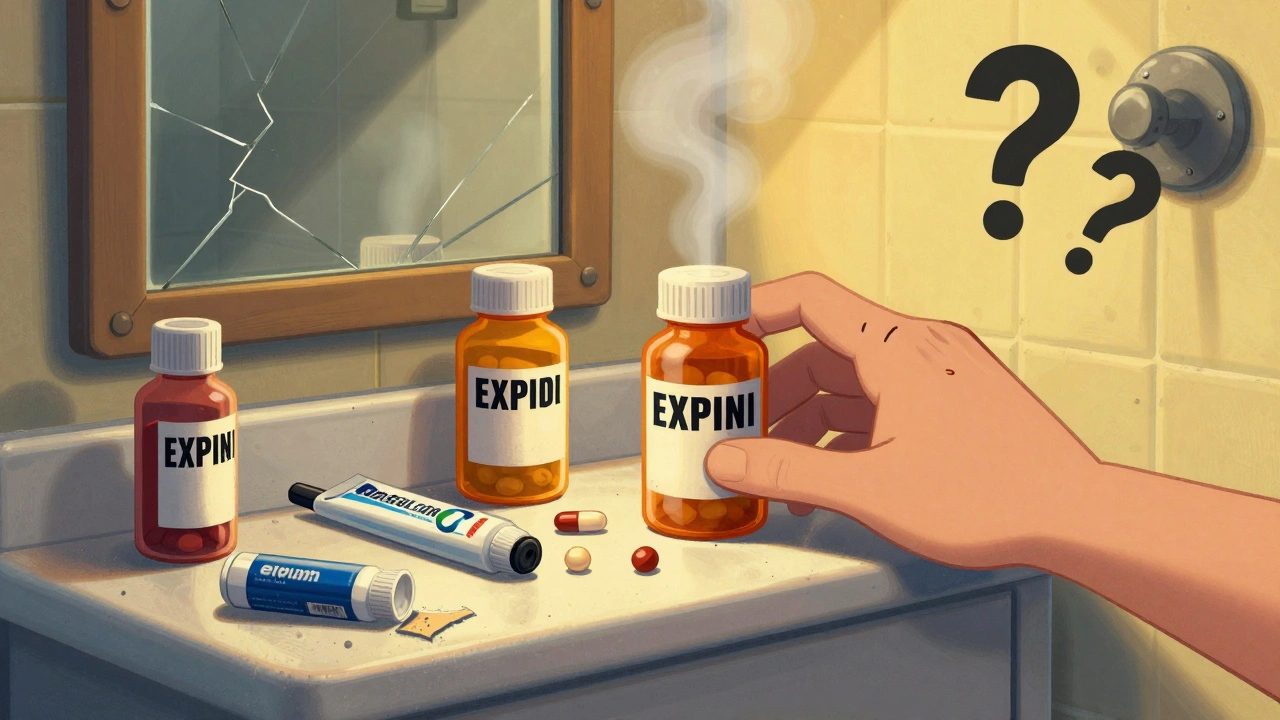
Expired medications aren't always dangerous, but they're rarely reliable. Learn which pills are safe to use after expiration, which ones can harm you, and how to store and dispose of them properly.
read more