
When it comes to your health, having trustworthy information at your fingertips makes all the difference. Whether you're curious about a new treatment, want to understand symptoms better, or need tips for managing chronic conditions, reliable healthcare information is key. But with so many sources out there, how do you separate the good from the questionable? That’s why we created this space – to give you easy access to clear, expert-approved guides and advice.
Not all health websites are created equal. Some have tons of info but lack scientific backup, while others focus on peer-reviewed research and expert opinions. Here, you’ll find carefully selected resources, like top WebMD alternatives such as Mayo Clinic and NIH, which provide accurate, up-to-date health facts. These platforms explain complex terms in simple language, so you’re never left guesswork when making decisions about your health.
Having the right healthcare info empowers you to talk confidently with doctors or pharmacists. For instance, knowing the basics of a medication or understanding common disease symptoms helps you recognize when it’s time to seek medical help. Plus, you’ll find helpful tips on lifestyle changes, supplements, and treatments that can improve your well-being. Remember, good health info isn’t just facts—it’s your first step toward smart, informed choices.
Ready to start exploring? From medication details to disease overviews, this category brings you valuable insights all in one place. Bookmark it for quick reference and feel more confident managing your health every day.
Posted by
Jenny Garner
11 Comments
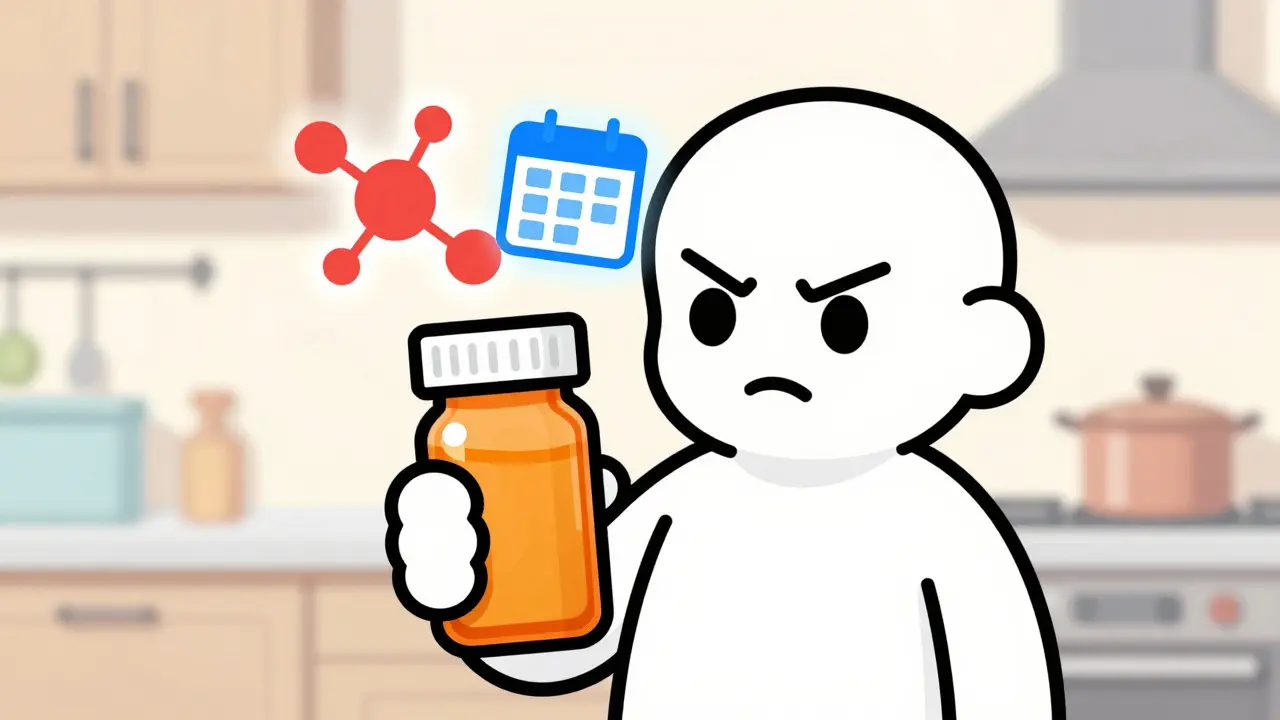
Understand the critical difference between Refill-By Dates and Expiration Dates on prescription labels. Learn how to manage medication safely and avoid costly mistakes.
read morePosted by
Jenny Garner
13 Comments
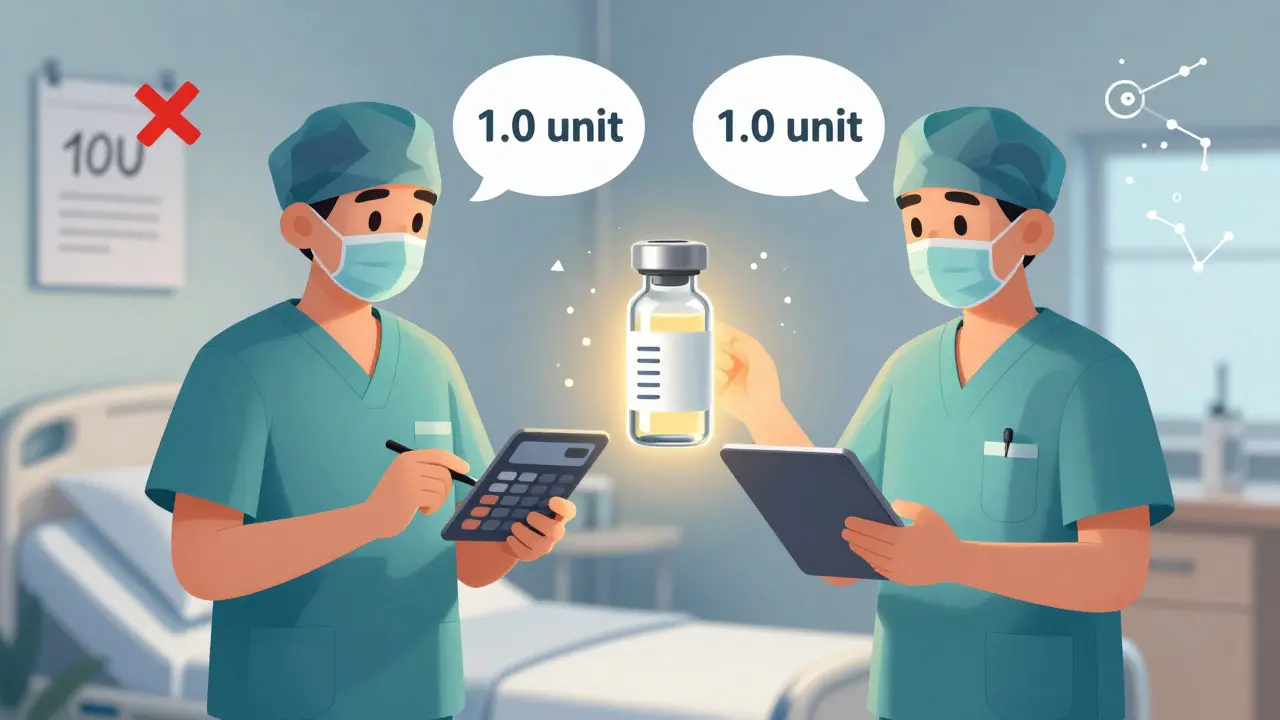
Dose changes in medication can be deadly if not verified properly. Learn how to use independent double checks, barcode scanning, and clear communication to prevent errors and protect patients.
read morePosted by
Paul Fletcher
13 Comments
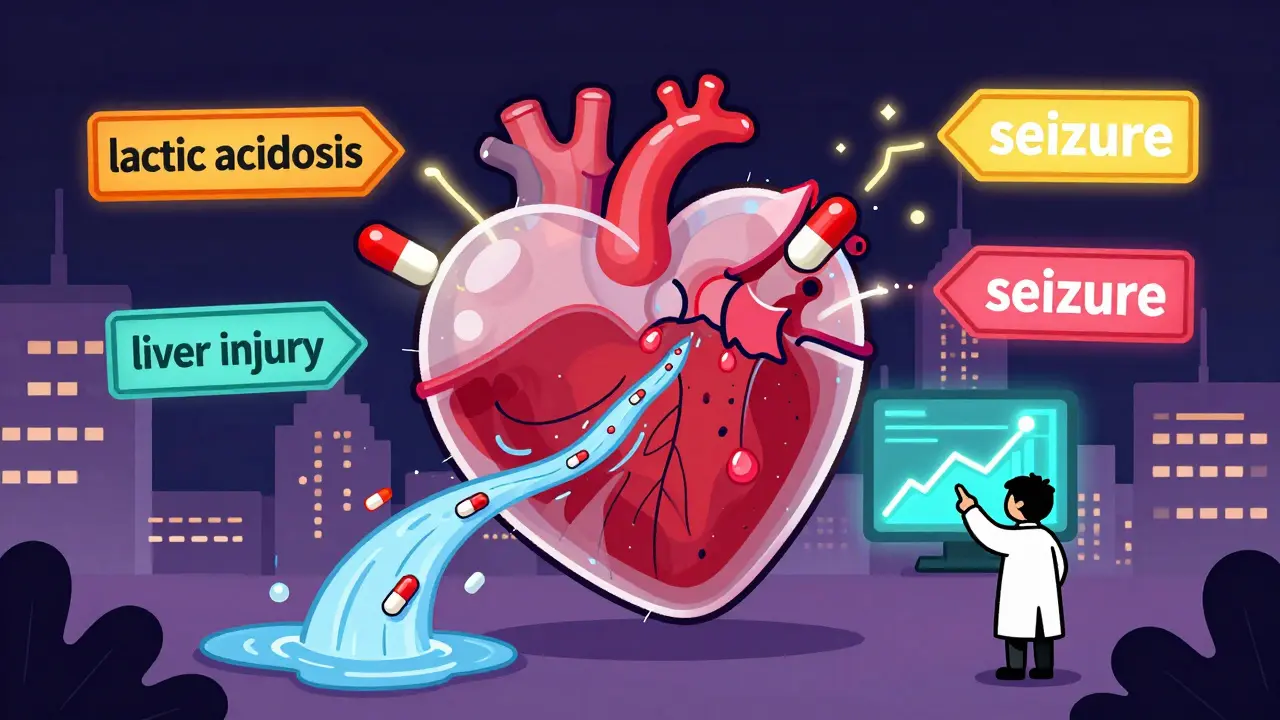
Learn how to access and use the FDA's public adverse event database (FAERS) to monitor drug safety. Explore tools, understand limitations, and avoid common mistakes in interpreting real-world side effect data.
read morePosted by
Paul Fletcher
8 Comments
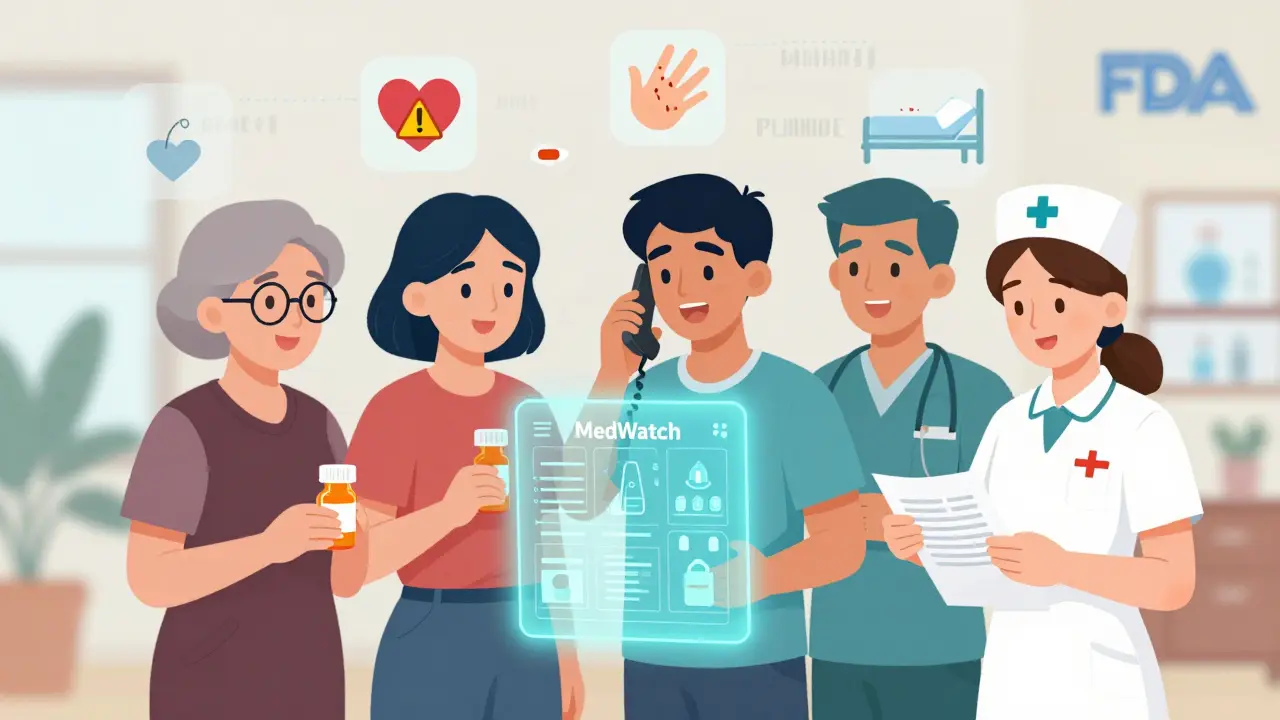
Learn how to report a suspected adverse drug reaction to the FDA using MedWatch. Step-by-step guide for patients, caregivers, and providers on submitting reports to improve drug safety.
read morePosted by
Paul Fletcher
8 Comments
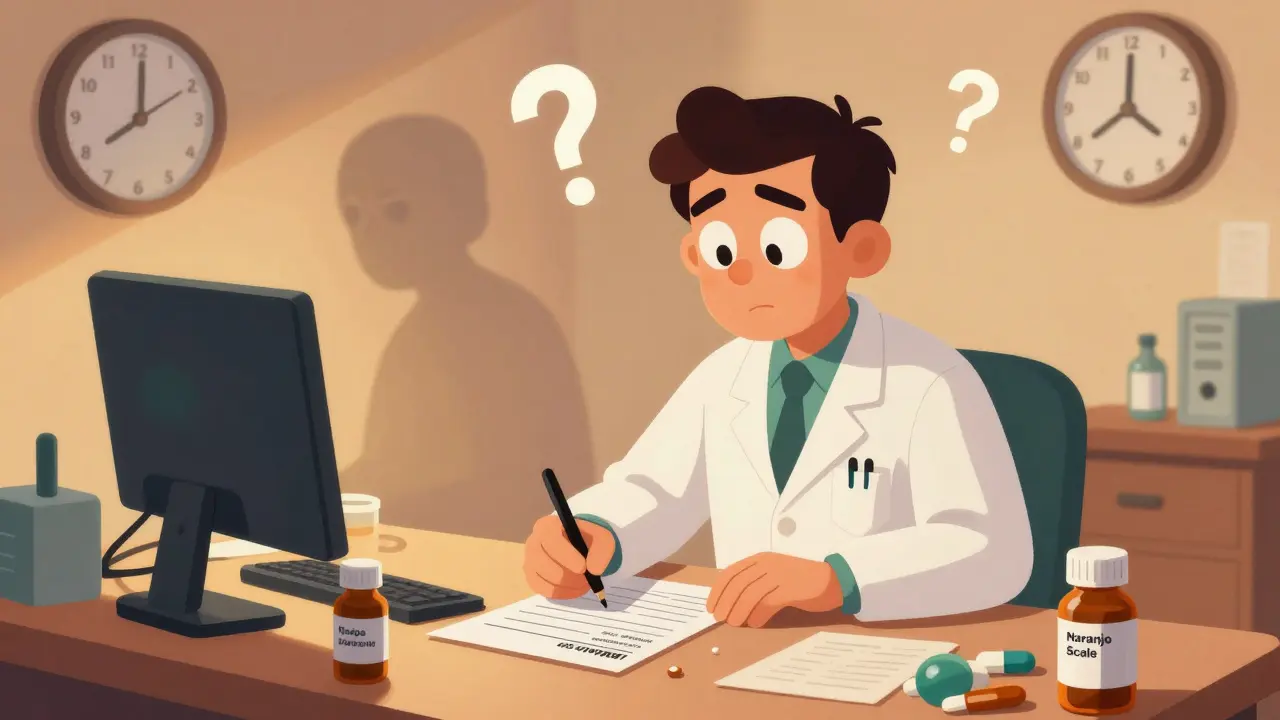
The Naranjo Scale is a proven, 10-question tool used worldwide to determine if a drug caused an adverse reaction. Learn how it works, where it falls short, and why it's still the gold standard in drug safety.
read morePosted by
Paul Fletcher
12 Comments
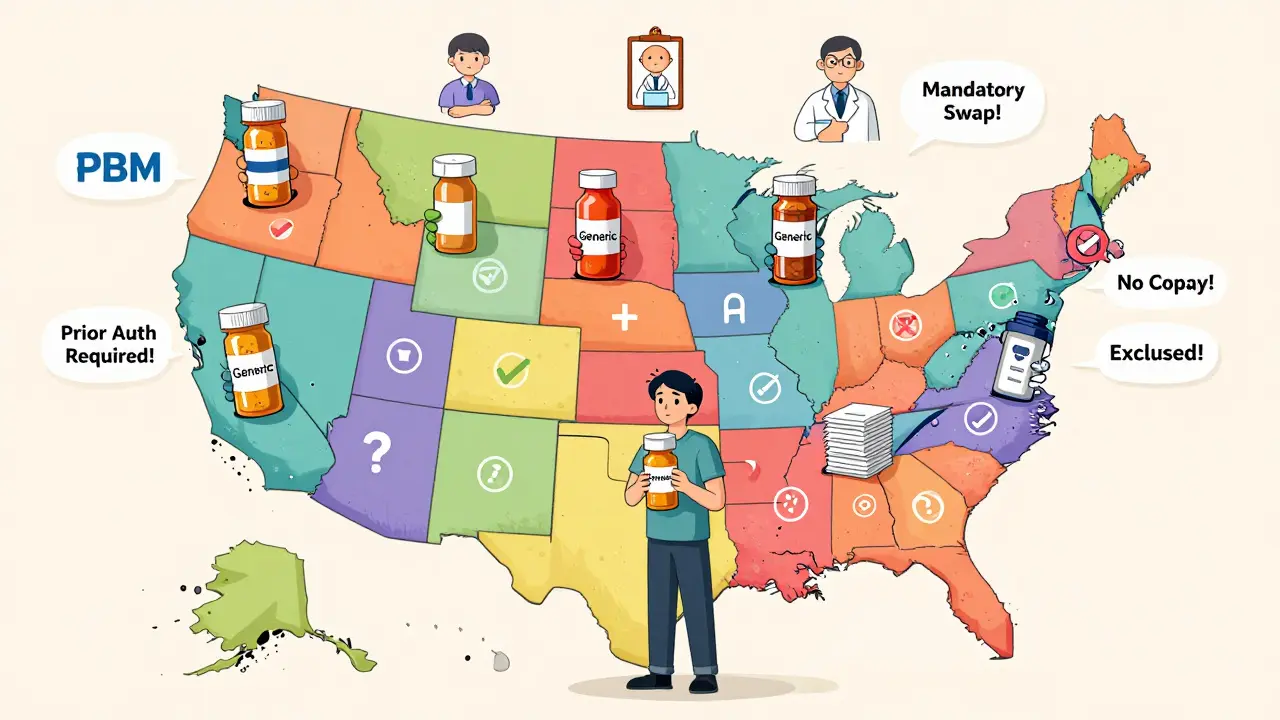
Medicaid generic drug coverage varies widely by state, with differences in substitution rules, copays, prior authorization, and formularies. Learn how your state manages generics and what you need to know to get your prescriptions without delays or surprises.
read morePosted by
Paul Fletcher
11 Comments
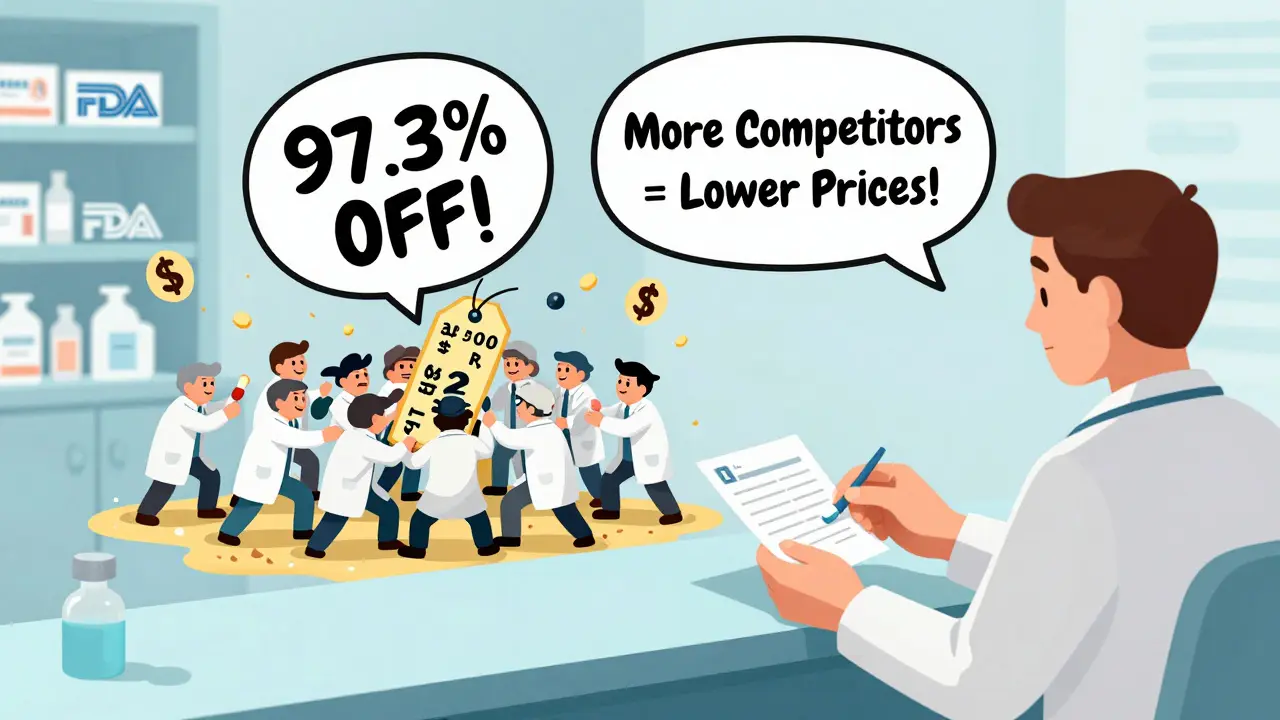
Generic drug competition drives prescription prices down by up to 97%. Learn how buyers like Medicare use this competition to negotiate lower costs-and how brand-name companies fight back.
read morePosted by
Jenny Garner
11 Comments
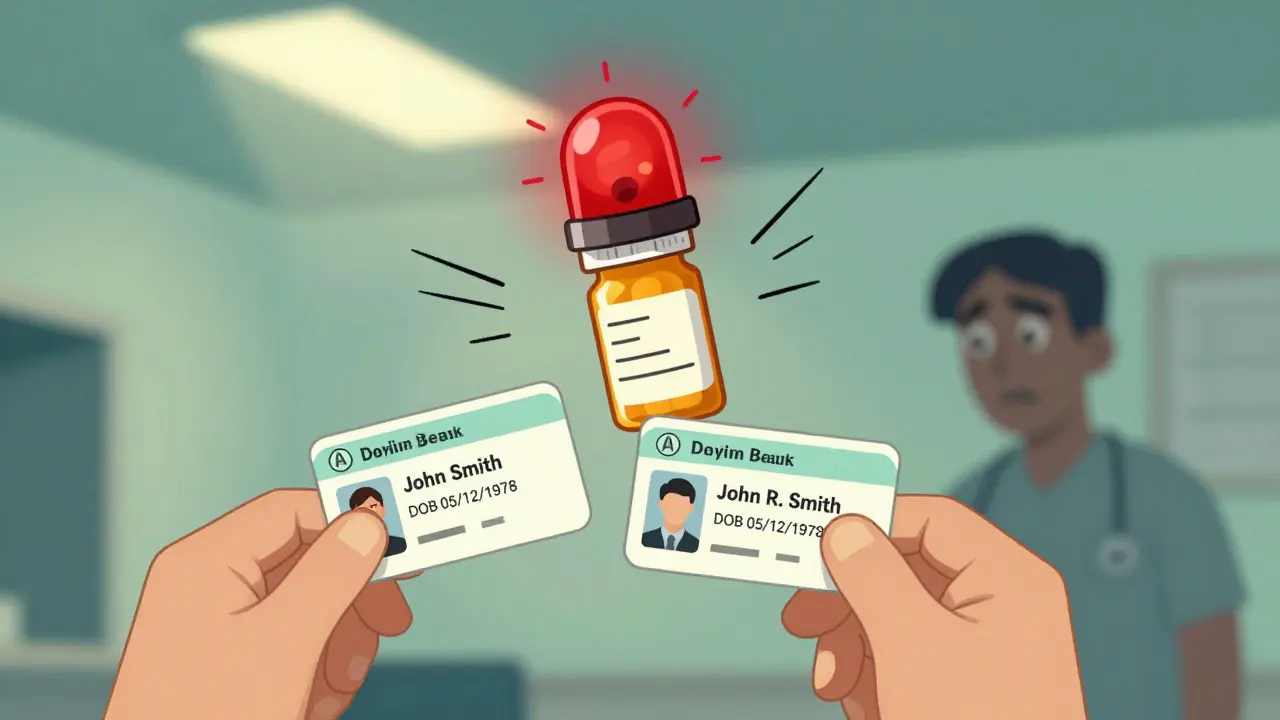
Using two patient identifiers in the pharmacy prevents dangerous medication errors by ensuring the right person gets the right drug. Learn how this simple rule, backed by federal standards and technology, saves lives.
read morePosted by
Paul Fletcher
14 Comments
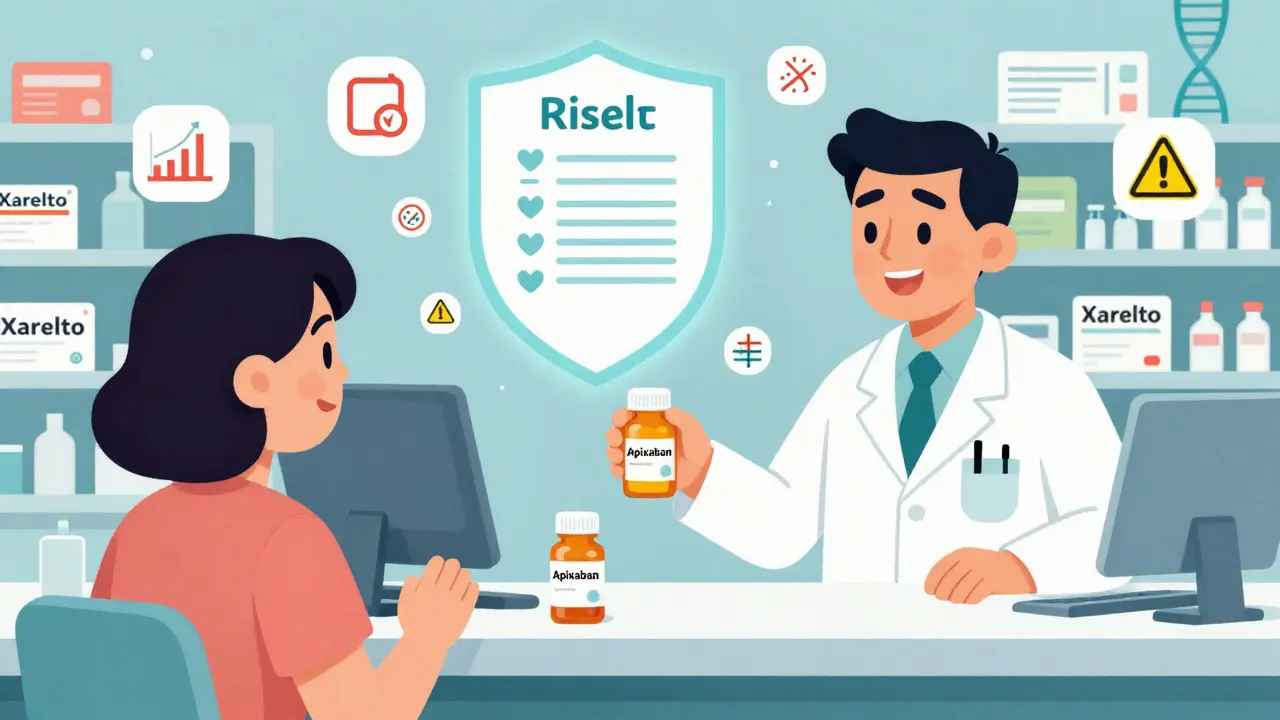
Institutional formularies control which drugs hospitals and clinics can substitute for prescribed medications. Learn how these policies work, their benefits, risks, and what patients need to know in 2026.
read morePosted by
Paul Fletcher
9 Comments
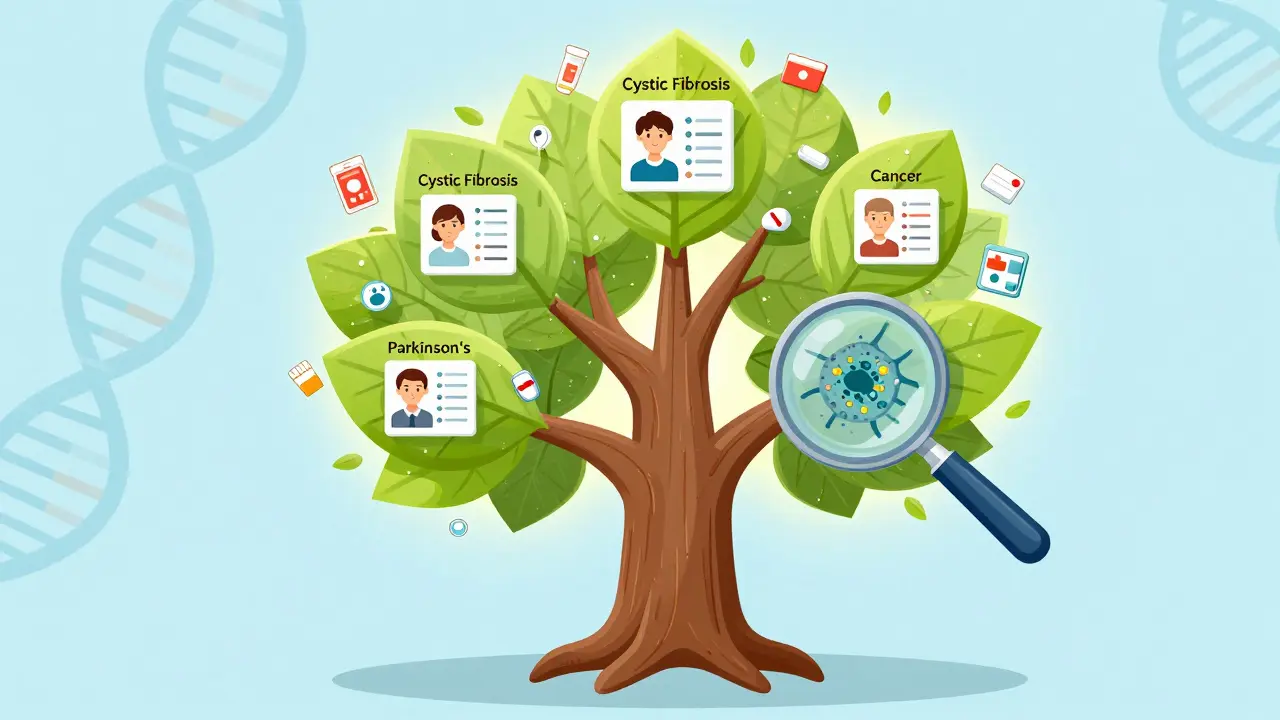
Real-world evidence from patient registries and claims data is now essential for monitoring drug safety after approval. Learn how these sources help regulators catch rare side effects and ensure medications are safe for millions.
read more