
Posted by
Jenny Garner
13 Comments

Nebulizers and inhalers both deliver asthma and COPD medication, but research shows inhalers with spacers are just as effective - and often better. Learn which method works best for your needs.
read morePosted by
Jenny Garner
14 Comments
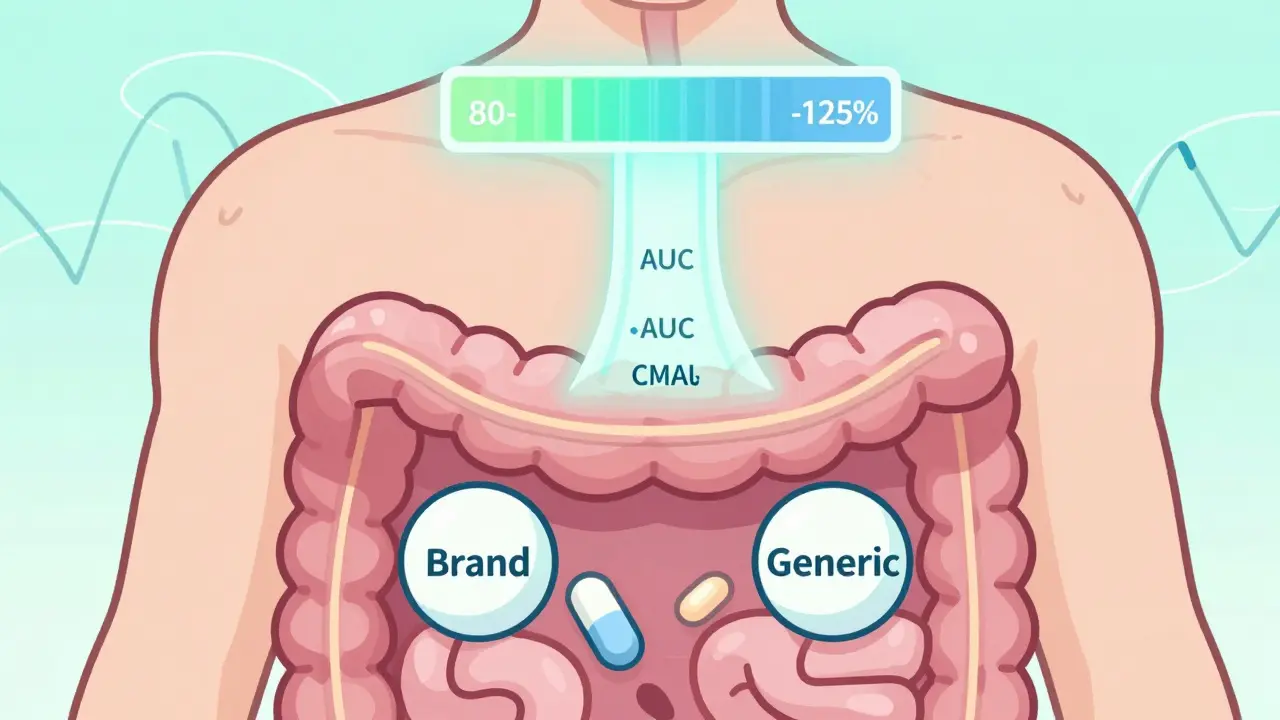
The 80-125% rule ensures generic drugs perform like brand-name versions by testing how much drug enters your bloodstream. It's not about pill strength - it's about absorption. Learn how regulators use pharmacokinetics to guarantee safety and effectiveness.
read morePosted by
Jenny Garner
13 Comments
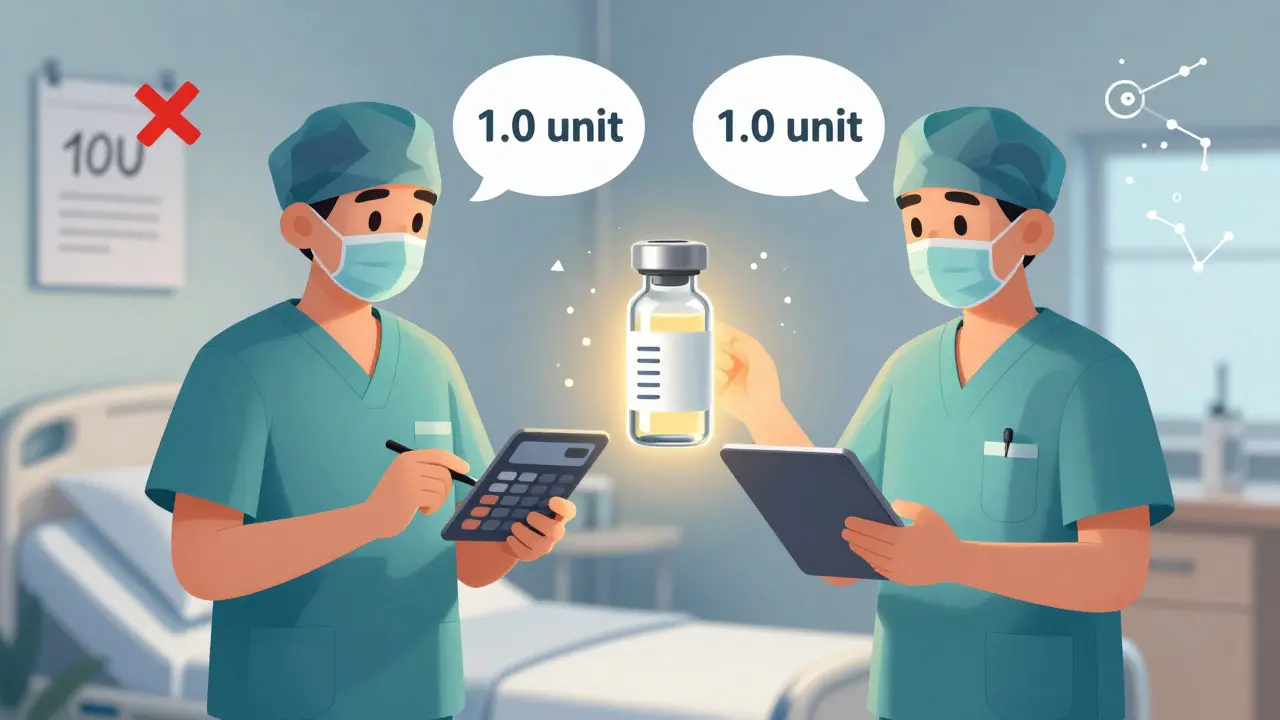
Dose changes in medication can be deadly if not verified properly. Learn how to use independent double checks, barcode scanning, and clear communication to prevent errors and protect patients.
read morePosted by
Jenny Garner
11 Comments
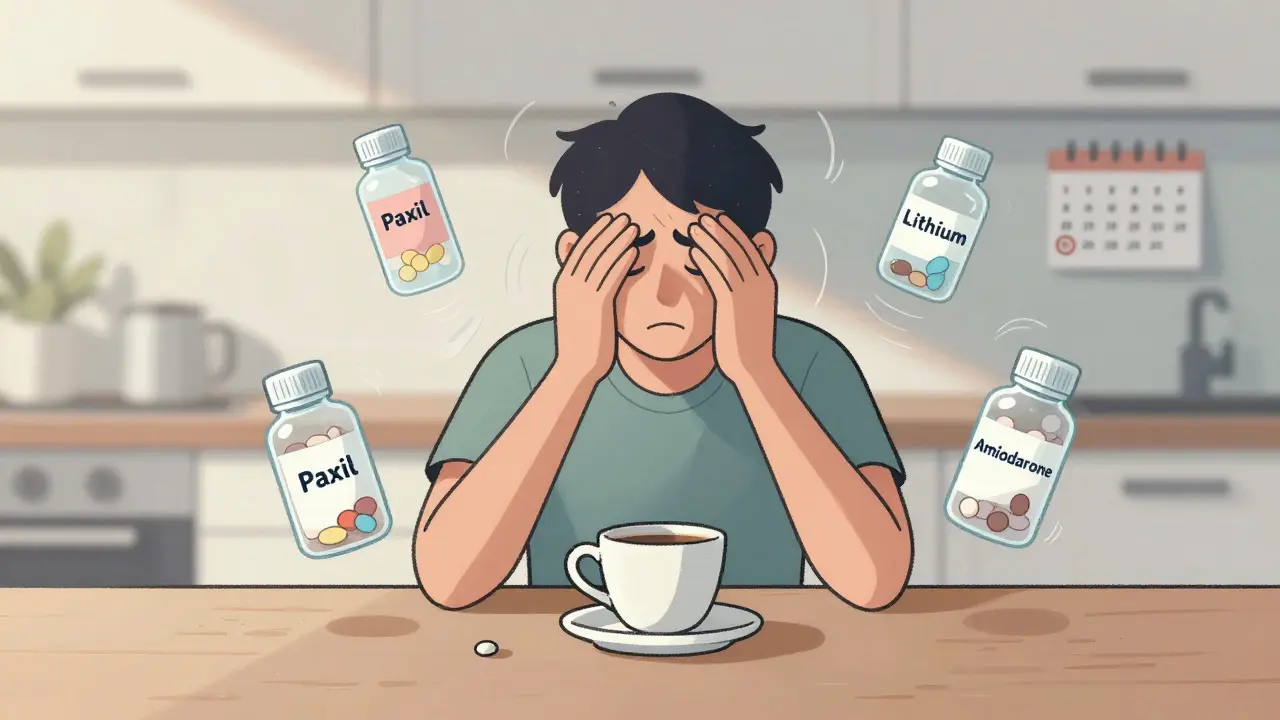
Drug-induced tremors are a common but often misunderstood side effect of prescription medications. Learn which drugs cause shaking, how to tell them apart from Parkinson’s, and what steps to take for relief - including safe alternatives and when to seek help.
read morePosted by
Paul Fletcher
9 Comments

Insurers use Pharmacy & Therapeutics committees to decide which generics to cover based on cost, safety, and effectiveness. Learn how tiered formularies, therapeutic substitution, and exception requests shape your drug coverage.
read morePosted by
Paul Fletcher
13 Comments
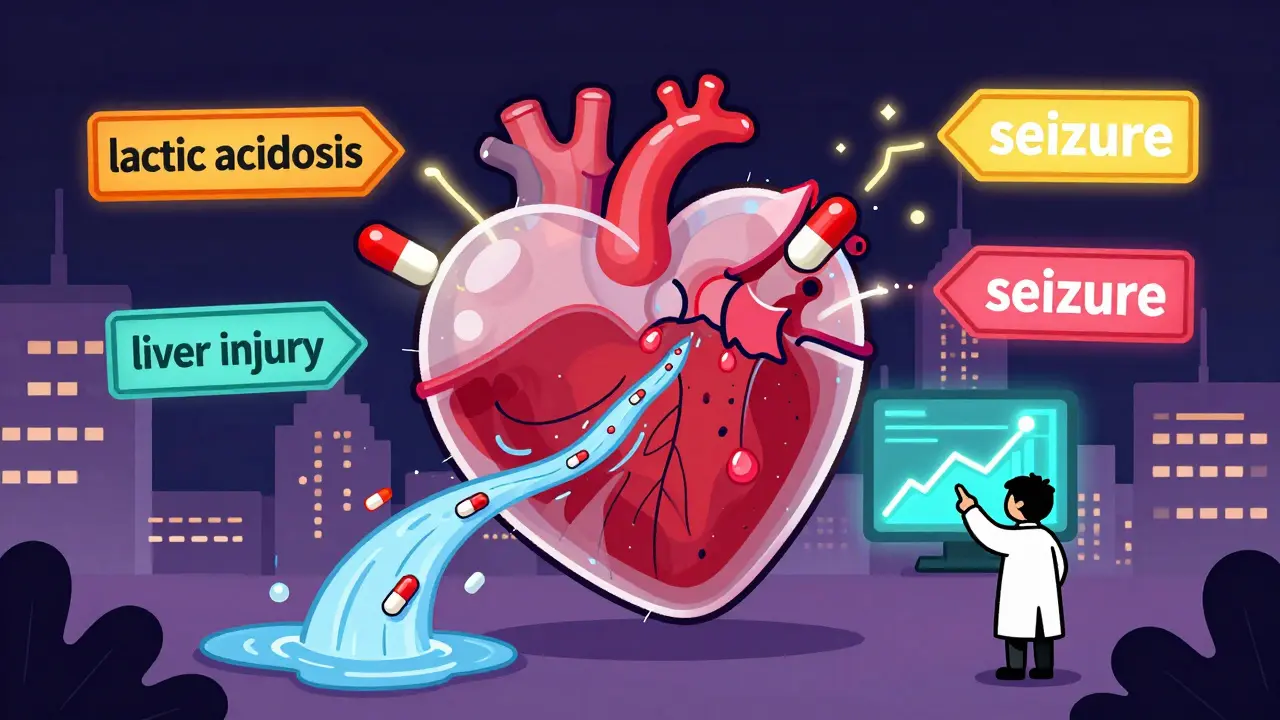
Learn how to access and use the FDA's public adverse event database (FAERS) to monitor drug safety. Explore tools, understand limitations, and avoid common mistakes in interpreting real-world side effect data.
read morePosted by
Paul Fletcher
8 Comments
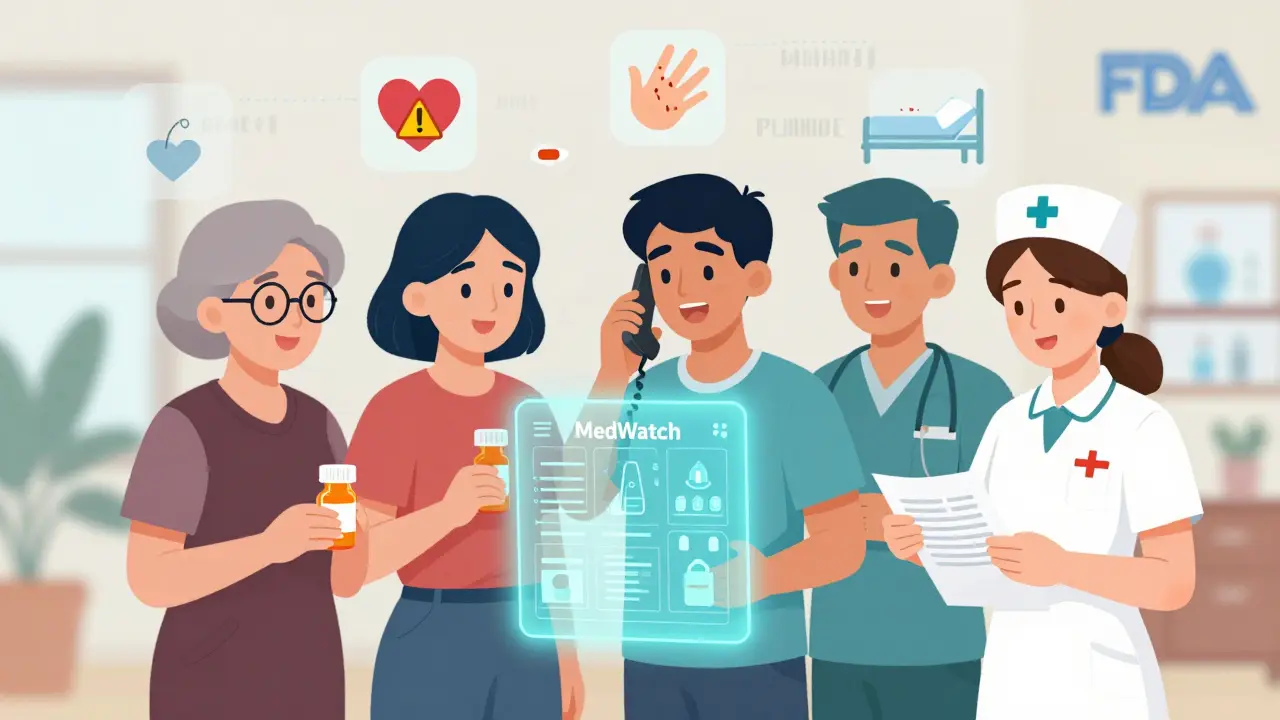
Learn how to report a suspected adverse drug reaction to the FDA using MedWatch. Step-by-step guide for patients, caregivers, and providers on submitting reports to improve drug safety.
read morePosted by
Paul Fletcher
13 Comments
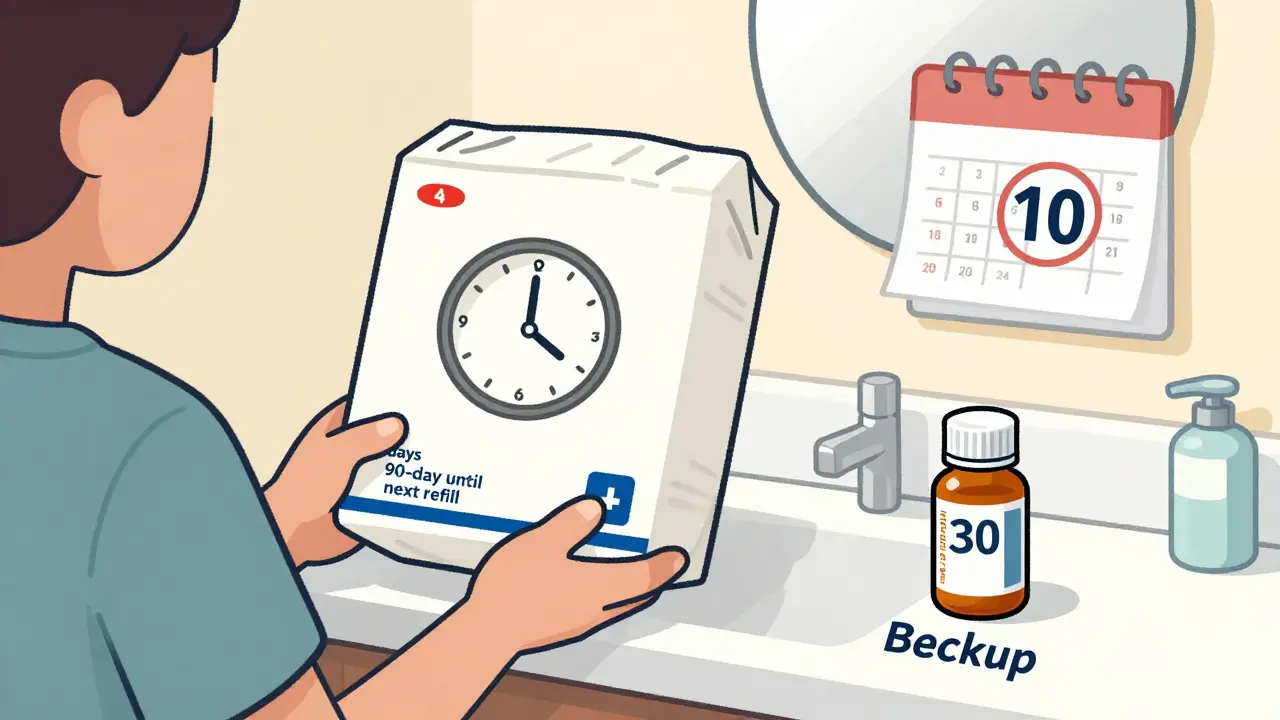
Learn how to save hundreds a year on prescriptions by strategically using mail-order for long-term meds and local pharmacies for urgent or changing prescriptions. Simple steps to cut costs without sacrificing convenience.
read morePosted by
Jenny Garner
8 Comments
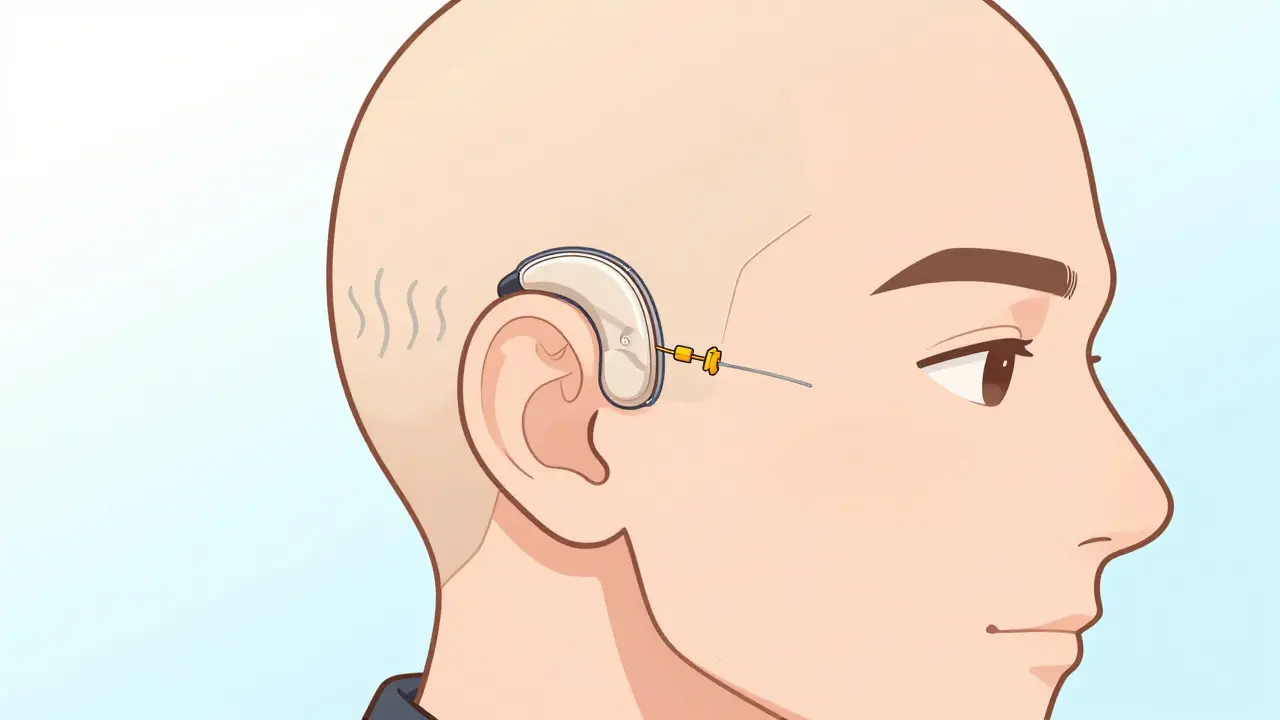
Cochlear implant candidacy isn't just for the profoundly deaf anymore. Updated guidelines now help more people access this life-changing technology, improving communication and quality of life. Learn how evaluation works, what to expect from outcomes, and why waiting isn't worth it.
read morePosted by
Paul Fletcher
13 Comments

Radiation therapy uses ionizing radiation to damage cancer cell DNA, causing cell death through mechanisms like double-strand breaks and immune activation. Learn how modern techniques improve precision and future advancements like FLASH radiotherapy.
read more