
Posted by
Paul Fletcher
0 Comments
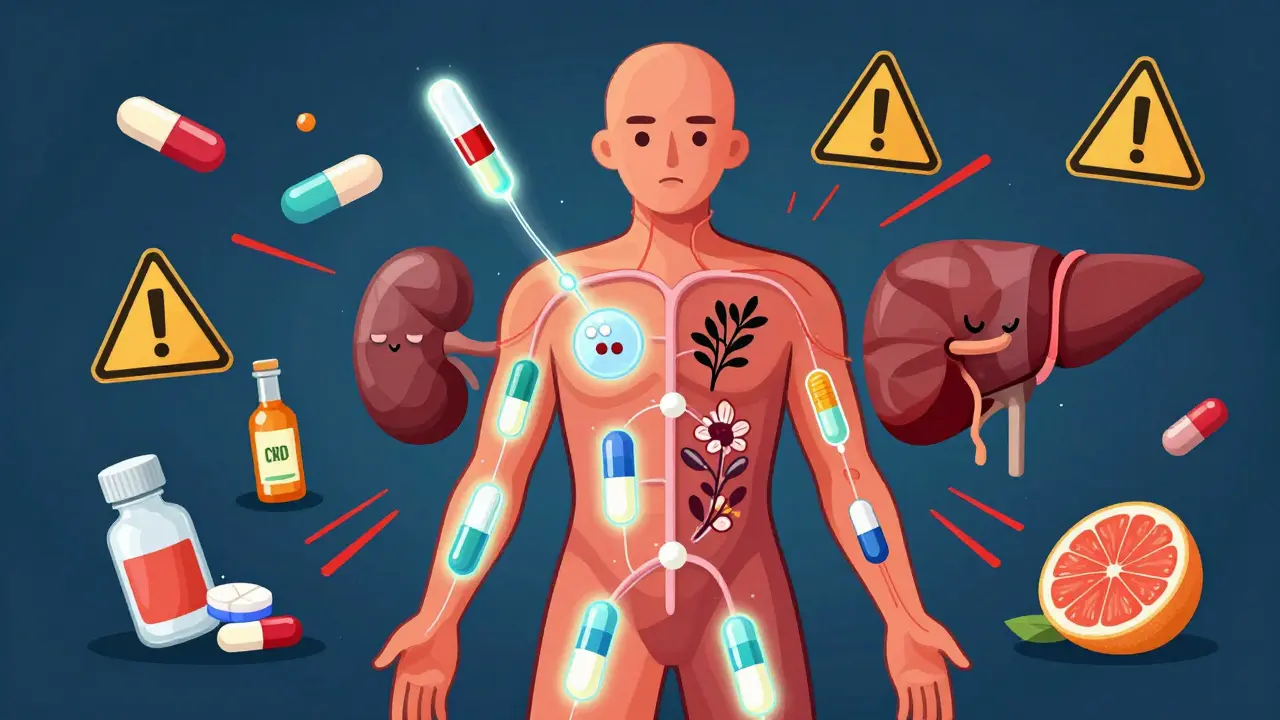
Chemotherapy remains a core treatment for cancer, but drug interactions can be dangerous. Learn how common medications, supplements, and even foods can affect chemo effectiveness and safety.
read morePosted by
Jenny Garner
12 Comments

Lithium is highly effective for bipolar disorder but can cause thyroid dysfunction in up to one-third of users. Learn how to recognize symptoms, monitor thyroid health, and manage hypothyroidism or goiter while staying on this life-saving medication.
read morePosted by
Paul Fletcher
14 Comments
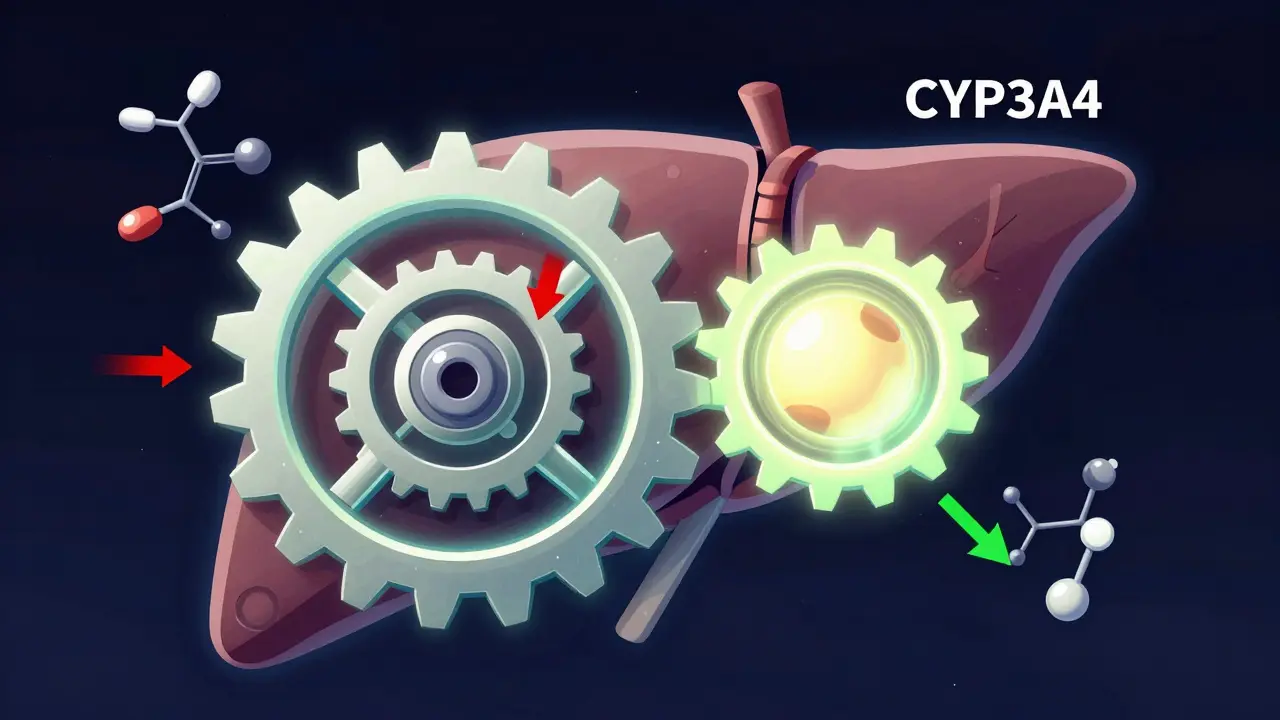
Lopinavir/Ritonavir relies on ritonavir to block CYP3A4 and boost lopinavir levels - but this same mechanism causes dangerous interactions with dozens of common drugs. Learn how it works, who still uses it, and what you must avoid.
read morePosted by
Jenny Garner
13 Comments
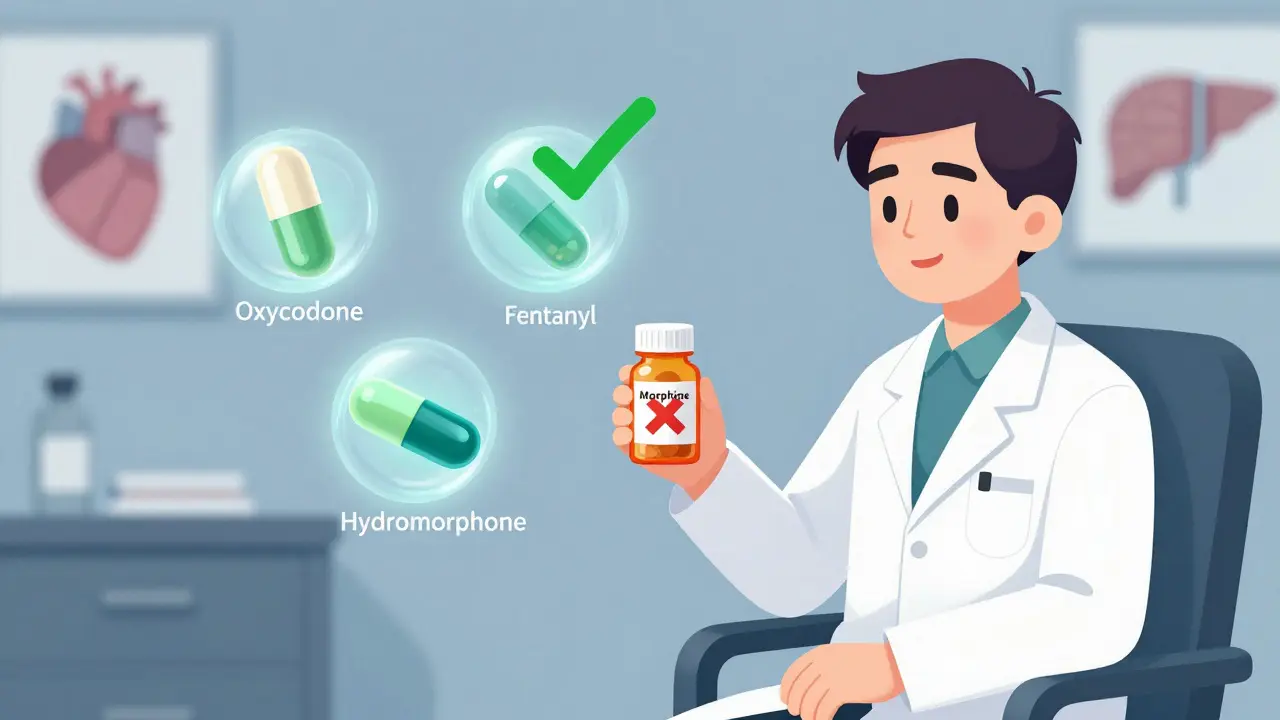
Opioid rotation is a proven strategy to reduce side effects like nausea, drowsiness, and confusion by switching to a different pain medication. It's not a last resort - it's a smart, evidence-based approach for patients who aren't tolerating their current opioid.
read morePosted by
Jenny Garner
8 Comments

Sarcopenia is the progressive loss of muscle mass and strength with age, starting as early as your 30s. Strength training is the most effective, science-backed way to slow, stop, and even reverse it-no matter your age.
read morePosted by
Paul Fletcher
9 Comments
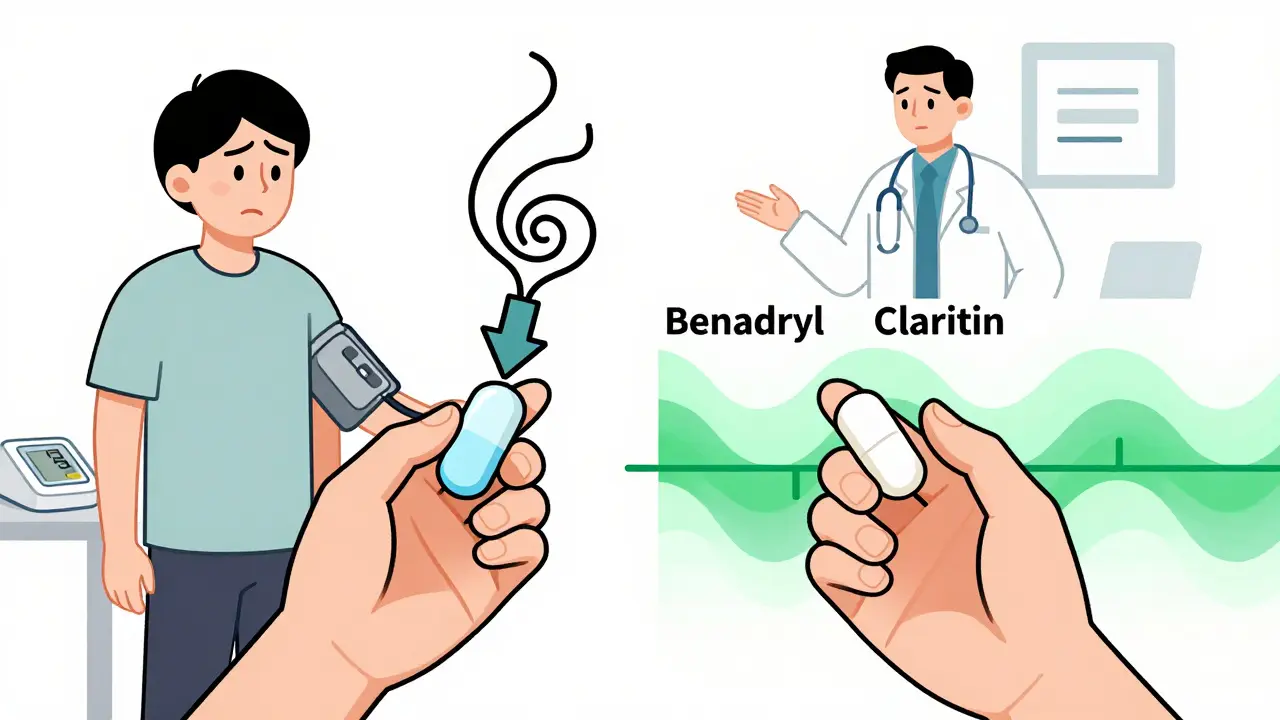
Antihistamines can affect blood pressure differently depending on the type. Learn which ones are safe for people with hypertension and how to avoid dangerous side effects from combo products.
read morePosted by
Jenny Garner
8 Comments
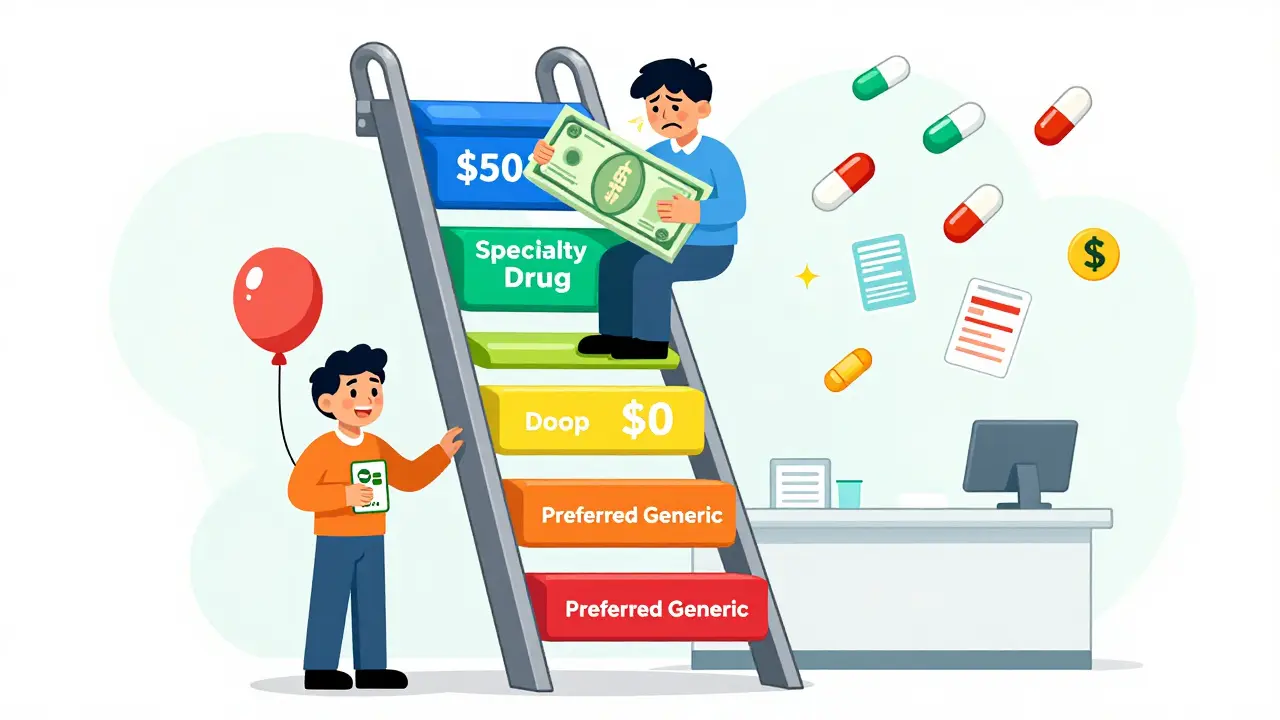
In 2024, generic drug copays in the U.S. typically cost $0-$15, while brand-name drugs range from $35 to $100+ per prescription. Understanding tiered pricing can save you hundreds annually.
read morePosted by
Jenny Garner
13 Comments

Nebulizers and inhalers both deliver asthma and COPD medication, but research shows inhalers with spacers are just as effective - and often better. Learn which method works best for your needs.
read morePosted by
Jenny Garner
14 Comments
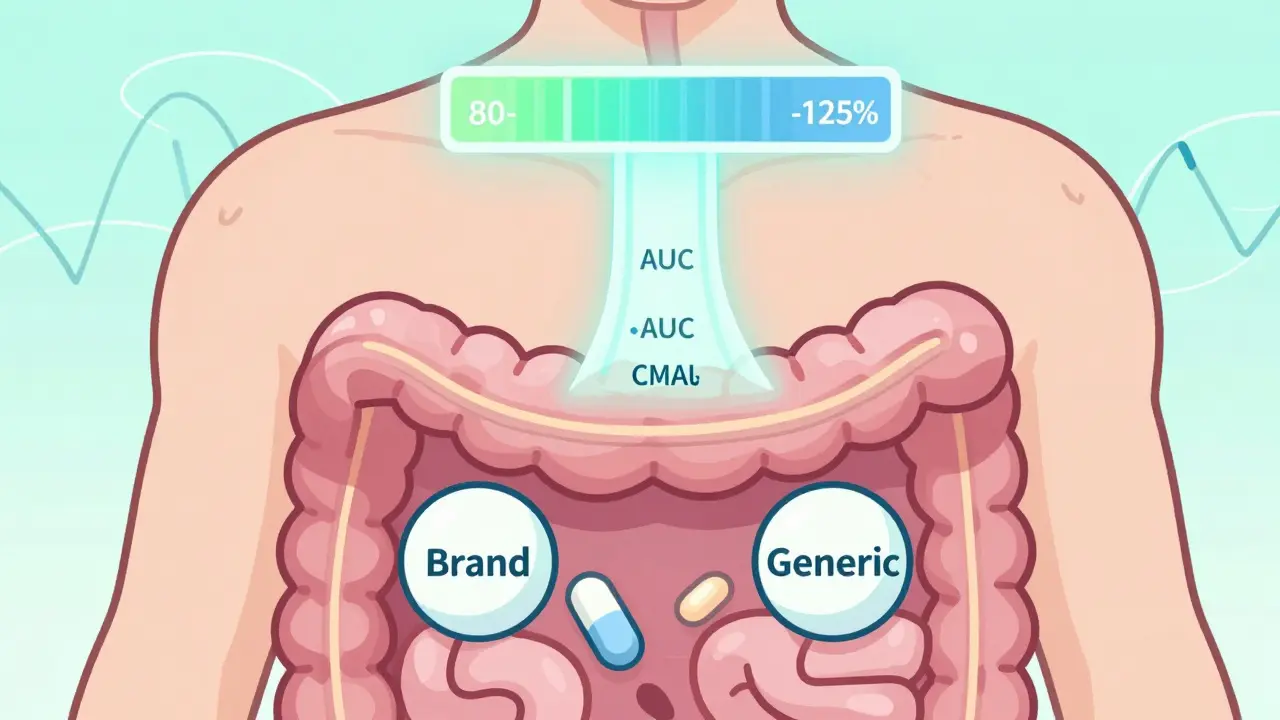
The 80-125% rule ensures generic drugs perform like brand-name versions by testing how much drug enters your bloodstream. It's not about pill strength - it's about absorption. Learn how regulators use pharmacokinetics to guarantee safety and effectiveness.
read morePosted by
Jenny Garner
13 Comments
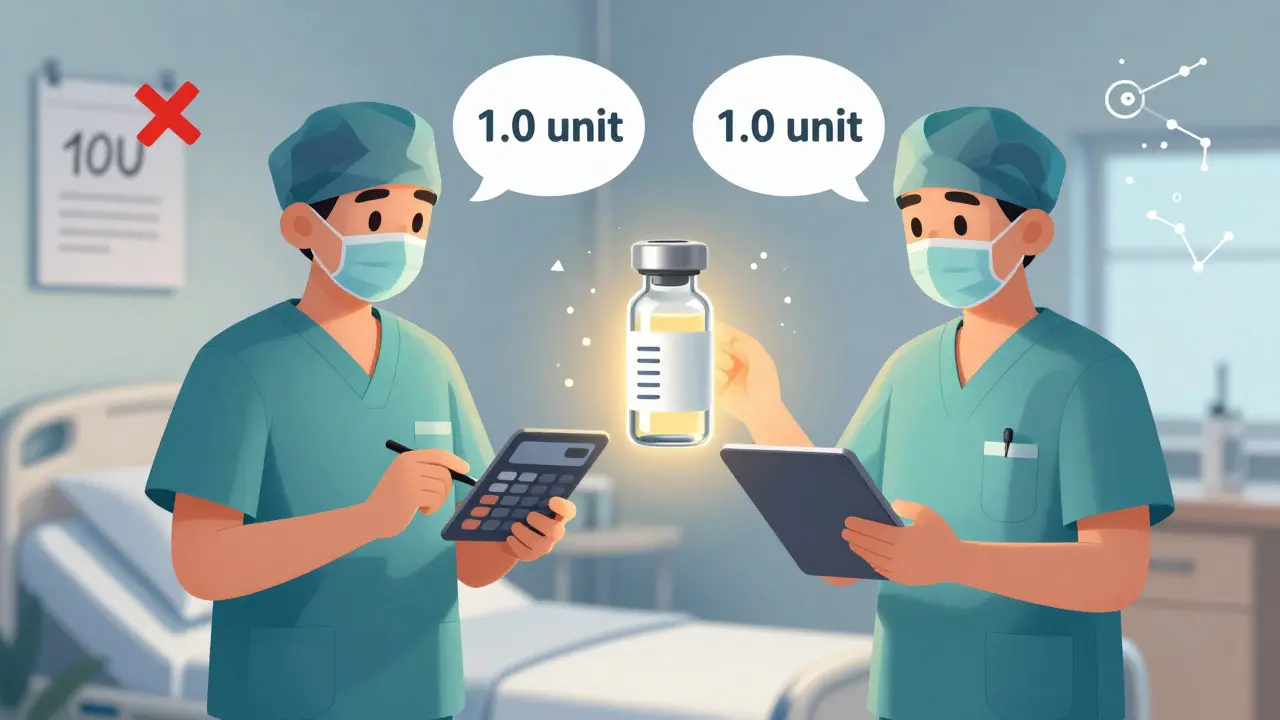
Dose changes in medication can be deadly if not verified properly. Learn how to use independent double checks, barcode scanning, and clear communication to prevent errors and protect patients.
read more